
Afghanistan: Amid rising economic despair, people sell their belongings on streets
Afghans have transformed Kabul streets into flea markets to sell their personal things at low prices in order to put food on the table.
- World News
- 3 min read

;'%3e%3cpath%20d='m8,15.99c4.41,0,7.99-3.58,7.99-7.99S12.41,0,8,0,0,3.59,0,8s3.58,7.99,7.99,7.99Z'%20style='stroke:%23fff;%20stroke-miterlimit:10;%20stroke-width:.02px;'/%3e%3cpath%20d='m3.08,3.37l3.82,5.11-3.84,4.15h.87l3.37-3.64,2.72,3.64h2.94l-4.04-5.39,3.58-3.87h-.86l-3.1,3.35-2.5-3.35h-2.94Zm1.27.64h1.35l5.97,7.99h-1.35l-5.97-7.99Z'%20style='fill:%23fff;'/%3e%3c/g%3e%3c/svg%3e)


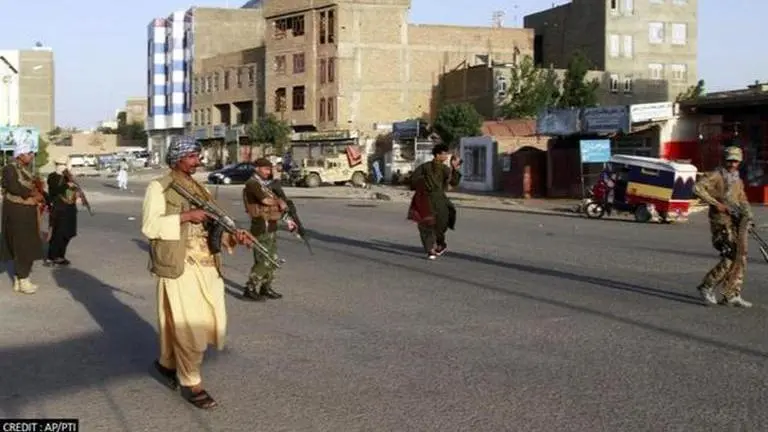
Afghanistan's already shaky economy has taken a tumble since the Taliban took control of Kabul last month. People who are suffering unemployment and severe poverty have reportedly turned to the streets for selling their goods in return for cash as the war-torn country's fragile economic situation has plunged into despair.
Afghans have transformed Kabul streets into flea markets to sell their personal things at low prices in order to put food on the table. The pathways going to Chaman-e-Hozori, a park in Kabul, have everything, including rugs, refrigerators, and television sets. Afghans selling refrigerators, television sets, sofas, cupboards, and other household items can be seen on these streets.
Afghanistan is on the edge of economic catastrophe as a result of the ongoing currency crisis. Foreign aid was immediately halted during the Taliban's siege of Kabul on August 15. Aside from that, the US withdrew USD 9.4 billion in reserves from the central bank of the country. In addition, the International Monetary Fund and the World Bank have suspended lending, and the Financial Action Task Force has issued a warning to its 39 member countries to freeze Taliban assets.
Since the Taliban took over in August, hundreds of Afghan civilians have been spotted waiting in huge queues to withdraw their savings. Afghans are concerned about reports that the US has frozen Afghanistan's bank assets and that international agencies have announced a funding suspension. Other experts believe that an informal economy is the only option for Afghans, including the new government, to survive. The Taliban, according to several reports, have mostly relied on hawala to live throughout their insurgent years.
Advertisement
Unemployment & hike in fuel prices, crisis appears to be getting worse
Last week, residents in Kabul have called on the government to intervene to prevent firms and fuel importers from overcharging them, following a jump in fuel costs. Prices for food and gasoline have been rising since the outbreak began, but they have climbed dramatically since the fighting started in May. Prices are expected to climb further as border restrictions and import bottlenecks limit the availability of basic goods. The cost of vegetables and other items has soared since the insurgent group took control of the capital city on August 15. Prices have reportedly risen by at least Rs 50, causing significant difficulty for retailers. Furthermore, it is claimed that people are not purchasing anything as a result of the high pricing.
The situation in Kabul is deteriorating by the day, with rising gasoline prices resulting in higher prices for goods and groceries. Unemployment, on the other hand, is exacerbating the catastrophe.
Advertisement
(With inputs from ANI)
Image: AP/PTI