
Apple Vision Pro Finds a Real Job: Surgeons Use It for Cataract Operations in New York
Apple Vision Pro has been used in cataract surgeries in New York, marking its first real medical application. Ophthalmologist Eric Rosenberg performed hundreds of procedures using ScopeXR, showing how mixed reality could transform operating rooms and remote collaboration.

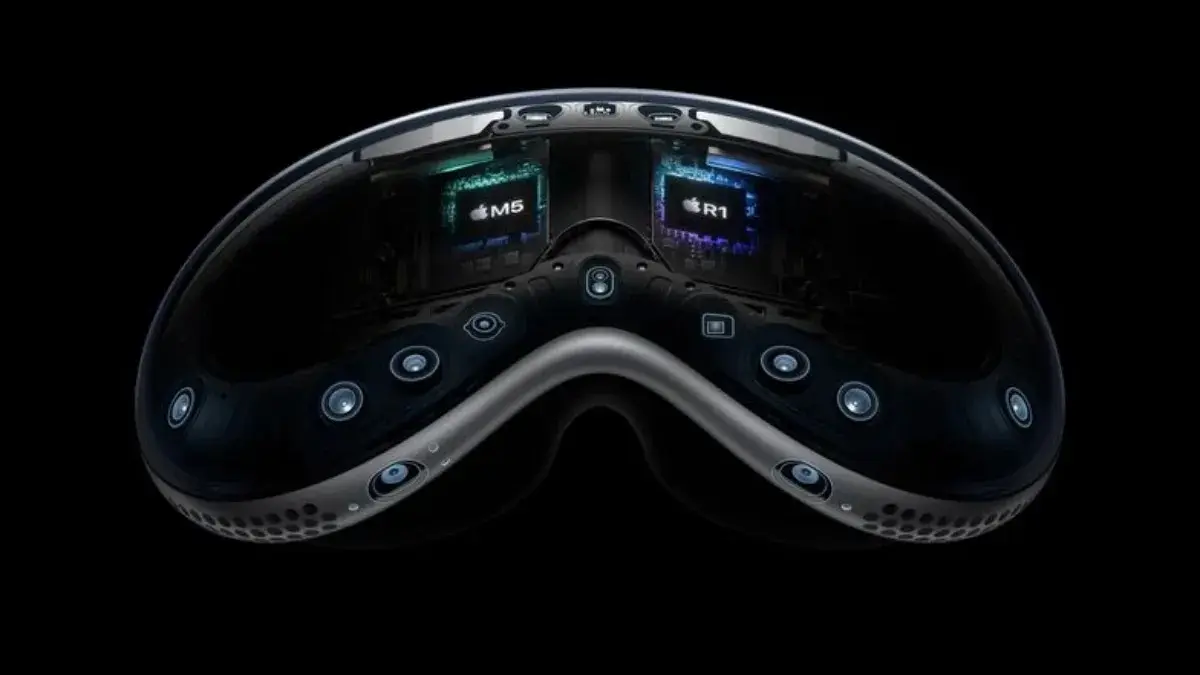
For a device often criticised as expensive and niche, Apple Vision Pro may have just found a serious use case - inside the operating room.
An ophthalmologist in New York, Eric Rosenberg, has carried out what is being described as the world’s first cataract surgery using Apple’s mixed reality headset as the main viewing interface. The first procedure happened in October 2025, and according to his practice SightMD, hundreds more have followed since- a sign of how spatial computing could start fitting into real clinical workflows.
Not replacing tools, but changing how surgeons see
The setup runs on a platform called ScopeXR, which feeds live visuals from surgical microscopes into the headset. Instead of looking through traditional optics, the surgeon views the eye in 3D inside the headset, along with overlays like scans and patient data.
It still depends on existing systems - including platforms like the Ngenuity 3D Visualisation System - so this isn’t a full hardware replacement. Think of it more as a new interface layer on top of current surgical tech.
Advertisement
The practical benefit is simple: less head movement, fewer distractions, and constant access to information without breaking focus.
The real hook: remote expertise
Where this gets interesting is collaboration. The system allows other surgeons to log in remotely and see exactly what the operating doctor sees in real time.
Advertisement
That could help in two ways - guiding less experienced surgeons during tricky procedures, and bringing specialist input into operating rooms that wouldn’t normally have access to it.
In theory, it turns surgery into something closer to a connected, multi-user environment rather than a closed room.
Apple’s enterprise reality check
For Apple, this kind of use case matters more than hype cycles. Vision Pro hasn’t taken off as a consumer product largely due to its price and bulky design. But in professional settings, those limitations are easier to justify.
This is where Apple seems to be quietly shifting focus: not mass adoption yet, but high-value niches where the tech solves real problems.
Healthcare is one of those areas. So are training simulations and industrial design.
Still early, still limited
That said, it’s far from a mainstream shift. Hospitals will need approvals, training, and strong evidence before adopting something like this widely. Cost is another barrier, especially outside high-end private systems.
There’s also a bigger question: does a headset genuinely improve outcomes, or just change the experience?
Right now, the answer isn’t fully clear.