
'Some Regional Countries Requested': Iran After Meeting with Gulf States in Oman Postponed
The scheduled consultations were intended to deliberate on a broad spectrum of topics, encompassing potential regulatory frameworks concerning maritime navigation through the Strait of Hormuz, an essential oceanic corridor.
- World News
- 2 min read

;'%3e%3cpath%20d='m8,15.99c4.41,0,7.99-3.58,7.99-7.99S12.41,0,8,0,0,3.59,0,8s3.58,7.99,7.99,7.99Z'%20style='stroke:%23fff;%20stroke-miterlimit:10;%20stroke-width:.02px;'/%3e%3cpath%20d='m3.08,3.37l3.82,5.11-3.84,4.15h.87l3.37-3.64,2.72,3.64h2.94l-4.04-5.39,3.58-3.87h-.86l-3.1,3.35-2.5-3.35h-2.94Zm1.27.64h1.35l5.97,7.99h-1.35l-5.97-7.99Z'%20style='fill:%23fff;'/%3e%3c/g%3e%3c/svg%3e)


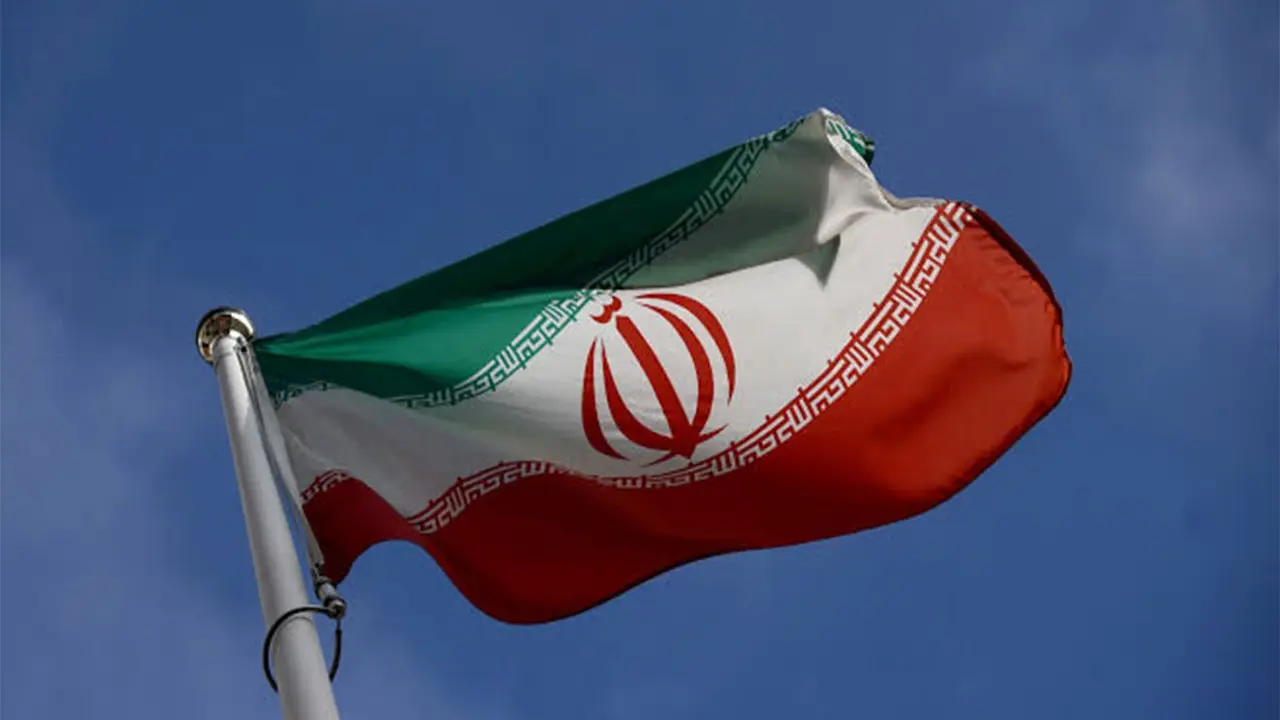
Tehran: Following the postponement of a scheduled meeting between Iran and Gulf nations slated for Monday in Oman, Iranian state media reported that the measure was executed upon the direct solicitation of select neighbouring governments. According to Iranian state media, the rescheduling represented a mutual resolution finalised collectively by Tehran and Muscat.
“The meeting was postponed at the request of some regional countries in a decision jointly made by Tehran and Muscat,” the Fars news agency reported, citing an official attached to the Iranian foreign ministry. Nevertheless, the representative omitted any clarification regarding which specific regional administrations had petitioned for the delay.
Prior to that announcement, Omani Foreign Minister Badr Albusaidi stated via social media platform X that the diplomatic gathering, originally arranged to convene inside the Omani municipality of Salalah, had been deferred. “In the interests of consensus, the regional meeting set for tomorrow in Salalah has been postponed. We remain committed to fostering dialogue that supports stability and lasting cooperation in our region,” he wrote on X.
The scheduled consultations were intended to deliberate across a broad spectrum of topics, encompassing potential regulatory frameworks concerning maritime navigation through the Strait of Hormuz, an essential oceanic corridor. Iran had spent months conducting bilateral negotiations alongside Muscat regarding protocols designed to oversee vessel transit through the passage.
Advertisement
Oman exercises authority over the opposing coastline of the place and previously affirmed that the dialogues maintained backing from fellow Gulf Arab monarchies. Before the military offensive launched by the United States and Israel against Iran on February 28, which initiated ongoing hostilities, approximately twenty per cent of international petroleum shipments navigated through the Strait of Hormuz. Tehran instituted a naval blockade across the channel days afterwards, causing global crude petroleum values to surge dramatically.