
Tesla outperforms BYD in Chinese market with dynamic sales strategy
Tesla's latest update: Tesla's market share in China rose 12% in first 10 months of 2023, from 10% in 2022, while BYD's share jumped 27% from 21%.
- Automobile News
- 3 min read

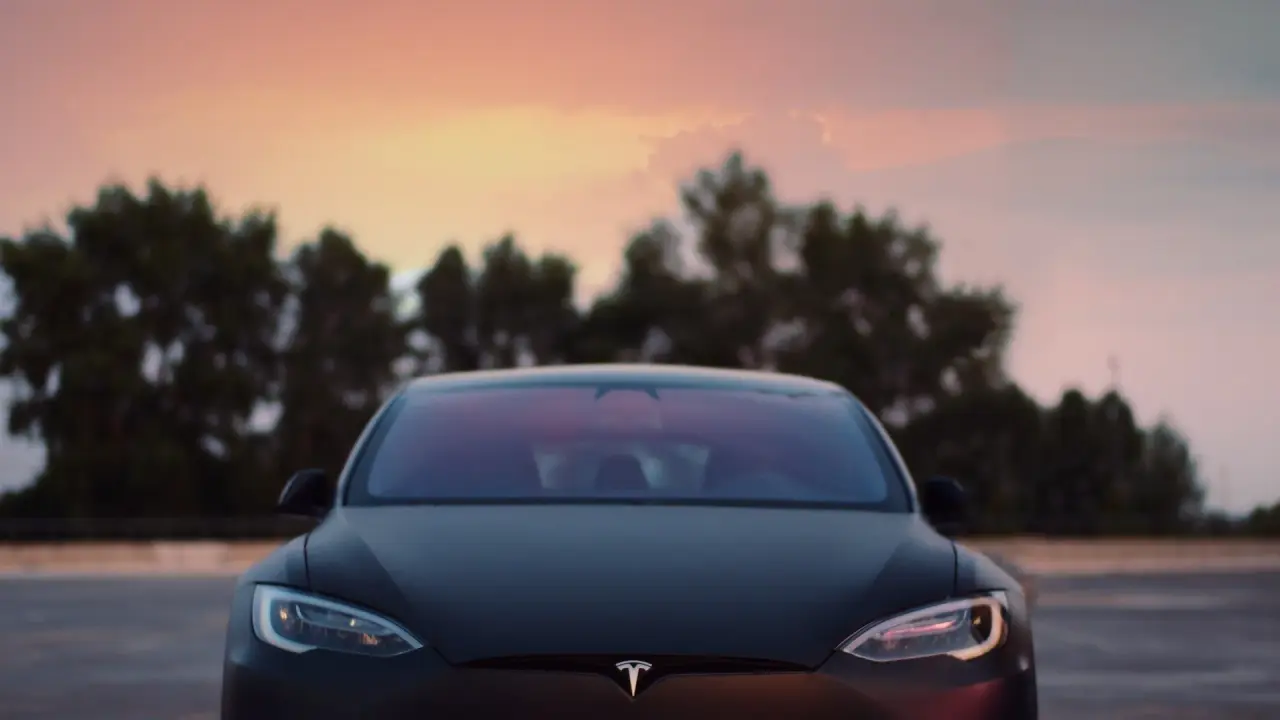
Tesla outperforms BYD: Tesla's real-time and assertive management approach in China is setting its stores apart from dealerships offering BYD and other brands in the world's largest auto market, according to sources familiar with the matter.
Despite losing its position as the world's top electric vehicle (EV) seller to China's BYD in the fourth quarter, Tesla's sales strategy has allowed both companies to grow their share in the highly competitive Chinese EV market during the first 10 months of 2023.

Image Credits: Pexels
In the same period, Tesla achieved sales of over 1,500 EVs per store on average, up from 1,300 in 2022, as reported by data from China Merchants Bank International (CMBI). In comparison, BYD sold fewer than 600 cars per store in 2023, similar to its 2022 performance, despite having 11 times as many local distributors.
Advertisement
Bill Russo, CEO of Shanghai-based advisory firm Automobility, acknowledged Tesla's higher throughput per store but noted that BYD's overall growth outpaces Tesla's.
Tesla's market share in China rose to 12 per cent in the first 10 months of 2023, up from 10 per cent in 2022, while BYD's share increased to 27 per cent from 21 per cent over the same period.
Advertisement
Tesla's success in China, its second-largest market, provides a positive outlook for the EV maker amid challenges in other key markets. The company, known for its direct sales model, closely monitors its 2,800 sales staff across 314 stores in China on an hourly basis, utilising real-time data to assess their effectiveness in attracting consumers, arranging test drives, and securing orders.
Image Credits: Pexels
The company's pricing strategy is influenced by this real-time data, leading to multiple price adjustments in China throughout the year.
Tesla's salespeople face immediate consequences for perceived inactivity, as those deemed unsuccessful are let go on the same day.
Tesla incentivises its staff with a higher base salary than EV rivals and allows top performers to earn up to 30,000 yuan ($4,203.56) per month, including bonuses. This strategy has attracted workers from industries known for aggressive sales tactics.
In contrast, BYD follows a more traditional approach with its 3,400 stores, selling plug-in hybrids alongside battery EVs. The company promises rewards to dealers to achieve a 3 million-unit global sales target in 2023.
While Tesla's direct sales model is recognised for its efficiency, analysts caution that the company faces challenges amid increasing competition.
Tesla's ability to catch up with BYD's overall sales may be impacted by production capacity constraints at its Shanghai factory. Tesla aims to expand its plant, but regulatory approvals in China pose challenges.
CMBI analysts predict that the growing gap with BYD could lead Tesla to focus on margin improvement in 2024, implementing price hikes on revamped models and expanding into lower-tier Chinese cities.
Meanwhile, competitors scramble to competitively price their new EVs.
(With Reuters Inputs)