
5 factors that do not affect your CIBIL Score
A higher credit score will almost always guarantee loan, and credit card approvals, while a low score will result in your applications getting declined.
- Republic Business
- 5 min read

;'%3e%3cpath%20d='m8,15.99c4.41,0,7.99-3.58,7.99-7.99S12.41,0,8,0,0,3.59,0,8s3.58,7.99,7.99,7.99Z'%20style='stroke:%23fff;%20stroke-miterlimit:10;%20stroke-width:.02px;'/%3e%3cpath%20d='m3.08,3.37l3.82,5.11-3.84,4.15h.87l3.37-3.64,2.72,3.64h2.94l-4.04-5.39,3.58-3.87h-.86l-3.1,3.35-2.5-3.35h-2.94Zm1.27.64h1.35l5.97,7.99h-1.35l-5.97-7.99Z'%20style='fill:%23fff;'/%3e%3c/g%3e%3c/svg%3e)


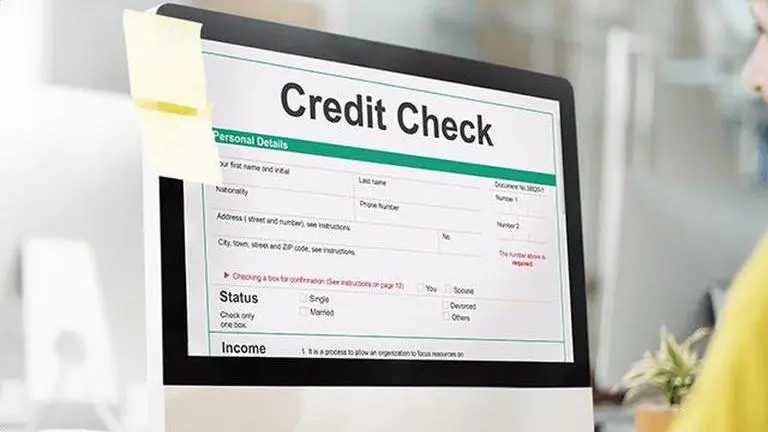
Your cibil score decides whether you will qualify for new loans, credit cards or not. A higher credit score will almost always guarantee loan, and credit card approvals, while a low score will result in your applications getting declined. Therefore, a credit score check is often necessary both by yourself and the lending institutions to verify your credit worthiness. There are a ton of websites offering a free credit score check, including credit score companies like cibil. So, ensure that you periodically look up your score to keep a tab on your progress.

(Image: Shutterstock)
What is Cibil Score?
A cibil score is a 3-digit number that determines your credit worthiness. The higher the score, the better the chances of an individual getting their loans, and card applications getting approved. Therefore, it’s important to maintain a high score if someone doesn’t want their loan applications being declined by financial institutions as they almost always look up an individual’s credit score check before approving/declining loan applications. Even if you do manage to get a loan with a low credit score, the interest rates are often on the higher end. Maintaining a good score lets you better negotiate your interest rates with banks and NBFCs.
Advertisement
How is Cibil Score Calculated?
Your Cibil score is calculated based on certain parameters. Let’s have a brief look at them.
Advertisement
1. Credit History: This includes all your borrowings including your active and closed loans, credit cards, and repayment behavior. This is one of the most important parameters impacting your credit score.
2. Credit Utilization: How much credit you use defines this vital parameter. Ideally, a person should strive to keep this low since higher credit utilization reflects credit hungry behavior, and financial institutions are more likely to hesitate approving loan applications.
3. Credit Mix: Your credit mix such as a combination of loans, cards, and other borrowings is an important factor in your determining your credit score. It’s important to have a good combination of different credit instruments on your file for a healthy score.
4. Duration of Your Credit History: The longer your credit history, the easier it is for banks and other financial institutions to determine your eligibility for loans and cards.
5. Hard Enquiries: Whenever you apply for a fresh loan, card, or any other type of borrowing; the financial institution performs a credit score check. This free credit score lookup results in a hard enquiry which directly impacts your credit score. Therefore, it’s important to keep hard enquiries low to ensure minimum impact on your credit score.
Now that we have a basic understanding of credit score in general, and the various parameters that impact your credit score. Let’s look up a few parameters that have no impact on your cibil score.

(Image: Shutterstock)
1. Conducting a self-check
Whenever you conduct a credit score check using a free credit score lookup online, it doesn’t impact your credit score unlike a hard enquire that gets registered every time banking institutions perform a credit check. Moreover, it’s important to periodically check your score to ensure that there are no discrepancies in your credit score account due to your loan accounts and credit card repayments not being updated resulting in negatively impacting your credit score history. If that’s the case, then raising a dispute with the credit score institution is important to set things in order.
2. Using Your Debit Card
Using your debit card has zero impact on your credit score, since it’s a debit instrument unlike a credit card. Therefore, it doesn’t matter how many times you may use your debit card to make purchases or pay for services.
3. Denial of Credit Card Application
In case your loan or credit card application gets denied; it doesn’t impact your credit score. However, as mentioned, every time you apply for a loan a hard enquiry is performed which impacts your credit score. Therefore, in case your loan application gets rejected, it’s best not to keep applying for fresh loans since repeated rejections will lower your score.
4. Taking Pay Cuts
Even if you take a pay cut in your job, it won’t impact your credit score, as credit check companies do not consider that as an indicator of your credit worthiness.
5. High Account Interest Rates
Having high account interest rates on your credit file will not impact your credit score. However, it’s important that you service those loans, and credit card payments since that is part of your credit history and will impact your score.
Performing a credit score check using a free credit score tool online helps you keep a tab on your credit health and make your eligible for easier loans. But even though loans and credit cards help you meet immediate financial needs, it’s important to invest to build a financially sound future. Life insurance plans can help you build a corpus by regularly investing their plans. It is one of the types of investments in India that both guarantees a financial future and gives you tax breaks.
So, if you are serious about building a financially sound future, then investing in a life insurance policy is the right way to go!
Author Bio: Vinod Gill is a writer who specializes in writing content on Finance and Banking subjects. He is a Digital Marketing Consultant, Blogger, and Co-Founder of Ecompany.in