
Updated 10 May 2024 at 09:42 IST
China's leaning towards a weaker currency: Long-term strategy or short-term fix?
Currency market observers note hints of a yuan depreciation for export advantage, but experts warn against overinterpreting as policy change.
- Republic Business
- 3 min read

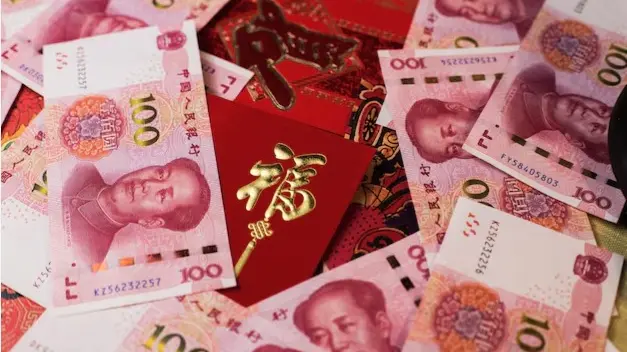
China's currency dilemma: China's apparent acceptance of a weaker currency may not be a long-term strategy, as analysts point out that prolonged devaluation is neither the goal nor the preference.
Yuan's export strategy: Soft decline
Observers in currency markets have noted subtle indications from Chinese authorities suggesting a gradual decline in the yuan's value to enhance export competitiveness. However, experts caution against interpreting this as a deliberate policy shift.
The primary signal of a tolerance for a depreciating yuan has been the People's Bank of China's (PBOC) daily reference rate, around which the yuan is allowed to fluctuate. While the PBOC had previously used this reference rate to prevent significant declines, recent fixings have shown a more flexible approach, even leaning slightly towards depreciation since mid-April.
Moreover, state-owned Chinese banks, often active in stabilising the yuan, have been less conspicuous in their interventions.
Yuan strengthens against rivals
While the yuan has depreciated by about 2 per cent against the dollar this year, its value against major trading partners has increased by nearly 3 per cent, driven by notable drops in currencies such as the Japanese yen and the Korean won against the dollar.
Economists anticipate a modest further decline in the yuan against the dollar in the coming months, with projections hovering around 7.3 per dollar, reflecting the PBOC's cautious approach.
Despite concerns about the impact of a weaker currency on China's vast export sector, there is limited evidence suggesting significant harm. Manufacturing surveys indicate a rise in new export orders, with certain sectors like photovoltaic products, electric vehicles, and lithium batteries showing notable growth.
Some Chinese exporters note that their businesses have not been notably affected by currency fluctuations, attributing their resilience to dominant market positions for Chinese brands.
Deflation boosts Chinese manufacturing
Additionally, Chinese manufacturers are benefitting from falling costs due to deflationary pressures stemming from weak domestic consumption and investment. Adjusted for inflation, the yuan is at its weakest since the 2008 global financial crisis.
However, there are concerns about the potential negative effects of excessive currency depreciation. High commodity prices, particularly for oil, are impacting China's terms of trade. While a slight devaluation may boost export margins and incentivise exporters, there are limits to its effectiveness, especially considering potential backlash from trading partners.
Furthermore, excessive depreciation could worsen conditions for Chinese consumers already impacted by economic challenges, such as the property and stock market downturns.
Overall, while a slight weakening of the yuan may be part of Beijing's strategy to manage economic conditions, there are risks and limitations to pursuing this approach over the long term.
(With Reuters Inputs)
Advertisement
Published By : Leechhvee Roy
Published On: 10 May 2024 at 09:42 IST