
Updated 22 July 2024 at 14:43 IST
Economic Survey 2023-24 highlights: GDP growth projected at 6.5-7%
Check out the top highlights from the Economic Survey 2024 as new job creation, inflation, and broader economic recovery under process.
- Republic Business
- 3 min read

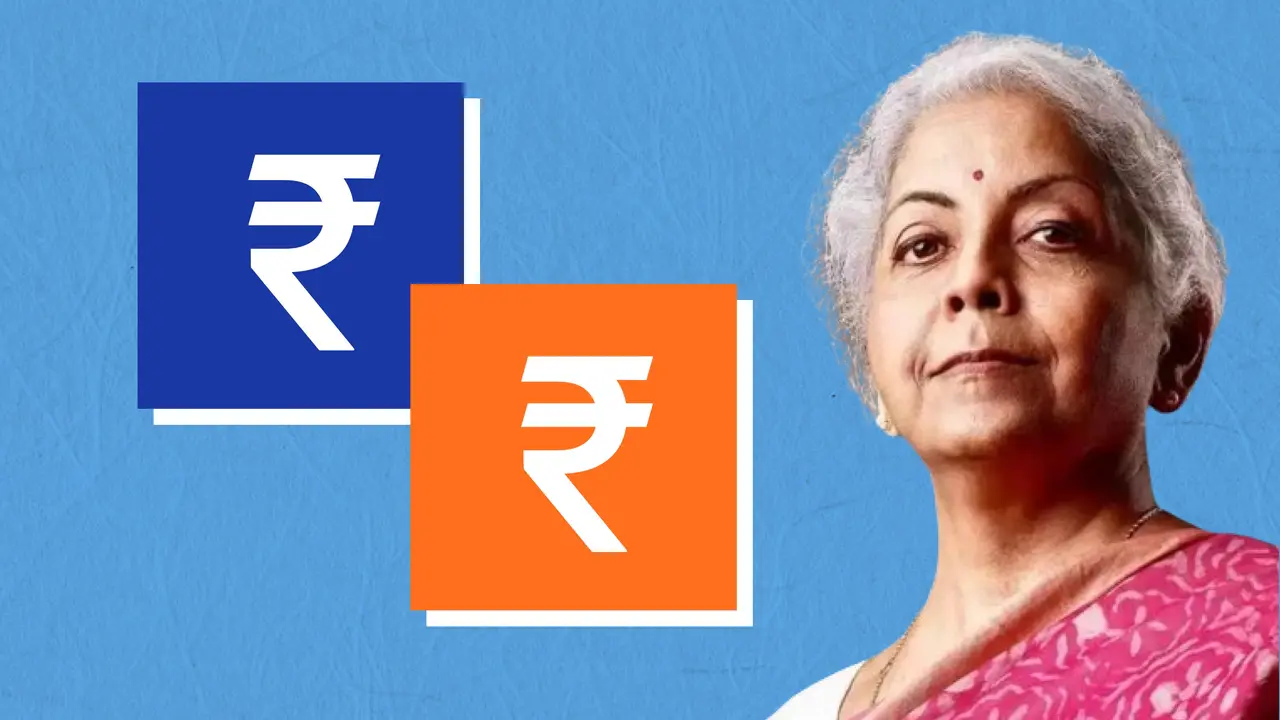
Economic Survey 2024: The nation’s economy is projected to grow at a rate of 6.5-7 per cent in the current financial year, according to the Economic Survey for 2023-24 presented by Finance Minister Nirmala Sitharaman, a day ahead of the Budget presentation.
The economy is staging a broad-based recovery across various sectors, positioning itself to return to the pre-pandemic growth trajectory in FY23, according to recent economic data.
Key highlights from the Economic Survey 2023-24 are as follows:
Retail inflation: Retail inflation returned to within the Reserve Bank of India's (RBI) target range in November 2022.
Direct tax collections: Buoyant direct tax collections were recorded from April to November 2022.
Advertisement
Employment generation: Enhanced employment generation was evidenced by the declining urban unemployment rate and faster net registrations in the Employee Provident Fund.
Government reforms: Focus areas include creating public goods, enhancing efficiencies, promoting trust-based governance, boosting agricultural productivity, and partnering with the private sector for development.
Advertisement
Financial sector: Cleaner balance sheets have led to increased lending by financial institutions. There is notable growth in credit offtake and increased private capital expenditure, fostering a virtuous investment cycle.
Bank credit: Non-food credit offtake by Scheduled Commercial Banks has been growing in double digits since April 2022.
GNPA ratio: The Gross Non-Performing Assets (GNPA) ratio of Scheduled Commercial Banks fell to a seven-year low of 5.0 per cent.
Social sector expenditure: Combined expenditure by the Centre and States on the social sector increased to Rs. 21.3 lakh crore in FY23 (BE) from Rs. 9.1 lakh crore in FY16.
Health sector spending: Budgeted expenditure on the health sector reached 2.1 per cent of GDP in FY23 (BE) and 2.2 per cent in FY22 (RE), compared to 1.6 per cent in FY21.
COVID-19 vaccination: Over 220 crore COVID-19 vaccine doses have been administered.
Poverty reduction: The 2022 UNDP Multidimensional Poverty Index report highlighted that 415 million people exited poverty in India between 2005-06 and 2019-20.
Net Zero Pledge: India committed to achieving net zero emissions by 2070.
Environmental initiatives: The LIFE (Lifestyle for Environment) movement was launched, and the National Green Hydrogen Mission aims to make India energy independent by 2047.
Agricultural investment: Private investment in agriculture increased to 9.3 per cent in 2020-21.
Food security: Free foodgrains were provided to about 814 million beneficiaries under the National Food Security Act for one year.
PM KISAN Scheme: About 113 million farmers were covered under PM KISAN in the April-July 2022-23 payment cycle.
Millets promotion: India is leading the promotion of millets through the International Year of Millets initiative.
PLI Schemes: Investment under the Production Linked Incentive (PLI) schemes reached ₹47,500 crore in FY22, 106 per cent of the designated target for the year.
E-commerce growth: India's e-commerce market is projected to grow at 18 per cent annually through 2025.
Merchandise exports: Exports reached US$ 332.8 billion for April-December 2022.
Remittances: India became the largest recipient of remittances globally, receiving US$ 100 billion in 2022.
PM GatiShakti Plan: The PM GatiShakti National Master Plan established a comprehensive database for integrated planning and synchronised implementation across ministries and departments.
UPI transactions: UPI-based transactions saw significant growth in value (121 per cent) and volume (115 per cent) from 2019 to 2022, paving the way for international adoption.
Published By : Anirudh Trivedi
Published On: 22 July 2024 at 14:43 IST