
Updated 2 January 2024 at 13:10 IST
Fed pivot may cap junk bond defaults but risks remain
With buoyant market optimism, rate cuts bolster junk debt and ease defaults.
- Republic Business
- 2 min read

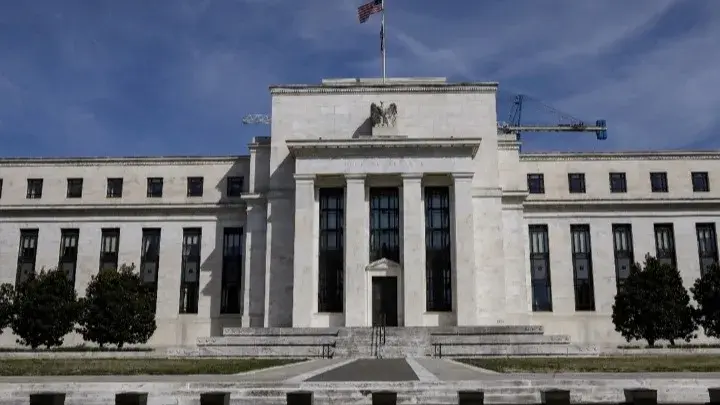
The market for low-rated debt is witnessing a comeback, offering relief to the weakest enterprises and perhaps reducing default rates in 2024 amid investor optimism about the expected Federal Reserve rate reduction.
As the Fed initiated rate hikes in 2022, concerns about defaults grew, resulting in subdued demand for loans and bonds from companies rated below investment grade. To proactively address an impending $300 billion wall of bond and loan maturities in the next two years, many such firms resorted to unconventional funding methods.
In recent months, yields have declined, spurred by market expectations that the Fed, encouraged by its success in curbing inflation highs, would soon commence rate reductions. Forecasts now predict the Fed's key policy rate could drop by up to 1.5 percentage points from the current 5.25 per cent to 5.50 per cent range by the year's end.
Anticipating this shift, there has been a resurgence in the demand for high-yielding debt. Junk bond spreads have tightened to 343 basis points, the lowest level since April 2022, indicating investors' willingness to assume risk.
Advertisement
While some speculate that defaults might marginally increase compared to historical averages, this is largely factored into current market expectations. Analysts predict default rates for junk bonds to reach 4 per cent to 5 per cent this year, exceeding 2 per cent to 3 per cent in 2023 but significantly lower than the double-digit figures witnessed during the 2008 financial crisis.
Leveraged loan default rates, expected to rise to 5 per cent to 6 per cent, will likely remain moderate due to innovative financing approaches adopted by companies, providing them with the necessary breathing space to meet debt obligations.
Advertisement
These creative strategies encompass various measures, including distressed exchanges, extending debt maturity through new restrictive terms, leveraging collateral or equity for financing, and raising subsidiary debt to repurchase discounted maturing obligations.
However, such approaches raise legal uncertainties and creditor concerns, prompting the insertion of protective measures in credit documentation. Analysts are wary of potential challenges in bankruptcy proceedings due to increased creditors' claims on assets.
With over $190 billion of debt maturing in 2024–2025 for the lowest-rated high-yield firms, analysts anticipate a nuanced interplay between market optimism, potential defaults, and the effectiveness of creative financing measures.
(with Reuters inputs)
Published By : Priyanshi Mishra
Published On: 2 January 2024 at 13:10 IST