
Got An Email To Download Your E-PAN Card? Here's What You Should Know
Pan Card Scam Alert: Have a look at how to protect yourself from phishing emails claiming to upgrade pan cards to “PAN 2.0” cards.
- Republic Business
- 2 min read

;'%3e%3cpath%20d='m8,15.99c4.41,0,7.99-3.58,7.99-7.99S12.41,0,8,0,0,3.59,0,8s3.58,7.99,7.99,7.99Z'%20style='stroke:%23fff;%20stroke-miterlimit:10;%20stroke-width:.02px;'/%3e%3cpath%20d='m3.08,3.37l3.82,5.11-3.84,4.15h.87l3.37-3.64,2.72,3.64h2.94l-4.04-5.39,3.58-3.87h-.86l-3.1,3.35-2.5-3.35h-2.94Zm1.27.64h1.35l5.97,7.99h-1.35l-5.97-7.99Z'%20style='fill:%23fff;'/%3e%3c/g%3e%3c/svg%3e)


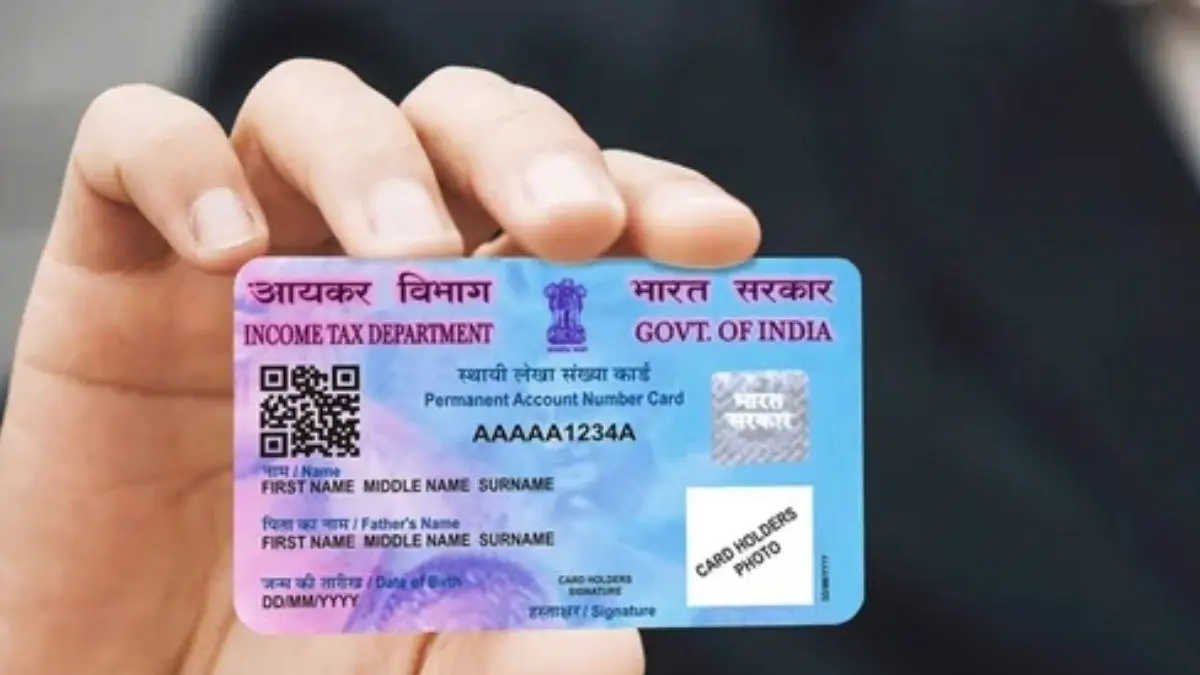
Pan Card Scam Alert: Are you on the receiving end of emails asking you to click on a link to download your e-PAN Card? If you are one of those then avoid responding as its part of a phishing campaign that falsely claims to offer upgraded “PAN 2.0” cards.
The central government has warned that such mails suggest that a new version of the Permanent Account Number (PAN) card has been launched with QR code support, prompting recipients to download their “e-PAN” through a link.
These emails, which appear to come from senders like “info@smt.plusoasis.com”, use subject lines related to “PAN 2.0 Cards” and urge users to click on suspicious links. The PIB Fact Check has deemed these emails as “fake” and part of a cybercrime operation.
The Press Information Bureau’s Fact Check unit has flagged the emails as fraudulent, warning the public not to respond or interact with such messages. In a post on social media, PIB said, “Do not respond to emails, calls & SMS asking you to share financial & sensitive information and report such phishing emails.”
Advertisement
The Income Tax Department has also clarified that it does not send unsolicited messages asking for personal data or financial credentials such as bank account details, passwords, or credit card information. The department does not provide PAN cards or e-PANs through email links.
The government has reiterated that all official e-PAN services are offered only through verified government portals and not through third-party links or emails.
Advertisement
How Phishing PAN scam works?
Victims receive fake emails claiming to offer a new “PAN 2.0” card with added features like QR codes. The message urges them to click a link to download their updated e-PAN, which leads to a phishing site mimicking an official government portal.
Why Should You Be Cautious?
These phishing sites are known to collect sensitive data such as PAN, Aadhaar, bank account details, or passwords to misuse it for identity theft, and financial fraud.
How To Stay Safe From Phishing Emails?
- Check the sender's email ID. Never click on any link in suspicious emails and avoid downloading any attachments.
- Do not respond to emails, calls & SMS asking you to share financial & sensitive information.
- Report such phishing e-mails claiming to be from the Income Tax Department.