
H-1B Visa Reform: How Trump's Wage Policy Could Impact India's Tech Workers?
In a revival move for Trump's ealier proposed alternative to the H-1B lottery, a White House office cleared the proposition of wage-based selection system.
- Republic Business
- 2 min read

;'%3e%3cpath%20d='m8,15.99c4.41,0,7.99-3.58,7.99-7.99S12.41,0,8,0,0,3.59,0,8s3.58,7.99,7.99,7.99Z'%20style='stroke:%23fff;%20stroke-miterlimit:10;%20stroke-width:.02px;'/%3e%3cpath%20d='m3.08,3.37l3.82,5.11-3.84,4.15h.87l3.37-3.64,2.72,3.64h2.94l-4.04-5.39,3.58-3.87h-.86l-3.1,3.35-2.5-3.35h-2.94Zm1.27.64h1.35l5.97,7.99h-1.35l-5.97-7.99Z'%20style='fill:%23fff;'/%3e%3c/g%3e%3c/svg%3e)


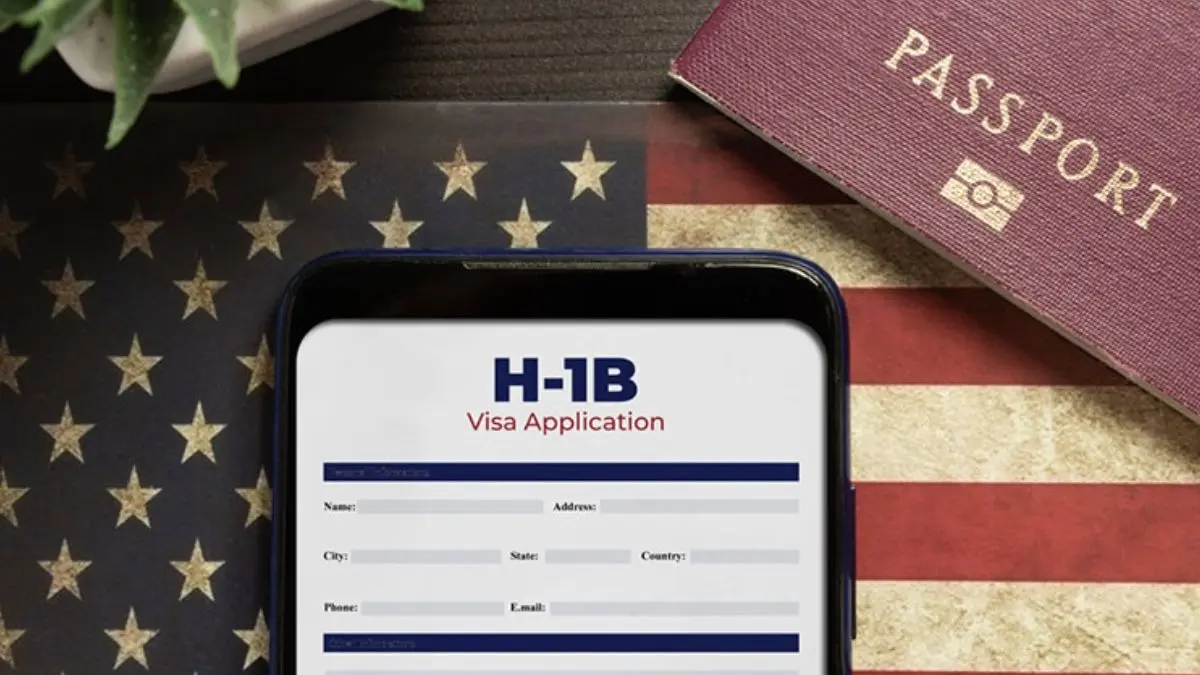
In a revival move for Trump's ealier proposed alternative to the H-1B lottery, a White House office cleared the proposition of wage-based selection system.
The White House's Office of Information and Regulatory Affairs has adopted a proposed regulation that could revive an attempt by the first Trump administration to base the selection of H-1B petitions on applicants' earnings rather than the existing random lottery system, according to a report by Bloomberg Law.
What's The Present H-1B Selection Process?
The H-1B visa, which fits in the non-immigrant category, has thus far allowed US-based firms to provide employment to skilled workers from other countries in occupations requiring theoretical and technical expertise. This visa allows highly-skilled workers from other nations to work in three-year period.
Currently, the H-1B program, which largely attracts tech sector employees, is limited to 85,000 slots. The random lottery takes place every spring during which shortlisted number of employers can move ahead with petitions, ensuring oppurtunities are provided for graduates and experienced indiviuals.
Advertisement
What Is Trump's Proposed Modification In H-1B Visa Selection?
During the US President Donald Trump's first term as US President, the Department of Homeland Security (DHS) tried transitoning from a random selection procedure for H-1B visa allocation to a wage-priority method
Advertisement
The recommendation was to priortise H-1B visas basis earnings, which would be divided into four categories. This move was furthered with the intent to hire more high-skilled foreign workers, however, it met with oppsition from both immigration and business owners.
The proposal was later withdrawn under former US President Joe Biden's term in the White House.
How Can This Affect Indian Workers?
Indian nationals dominate the programme, receiving 72 per cent of H-1B visas, followed by 12 per cent for Chinese citizens. Per 2023 data, the majority of H-1B visa holders work in STEM fields like data science, AI, machine learning, and cybersecurity, with 65 per cent in computer-related jobs. Their median annual salary was (about Rs 1.01 crore) annually.
If the move is implemented, it could disproportionately affect Indian students and new graduates from certain disciplines and non-STEM fields, where starting salaries tend to be lower.