
India Considering Higher Ethanol Blending in Petrol and Diesel, Ministry Tells Republic
The Centre is exploring an increase in ethanol blending for both petrol and diesel to slash India's 87% crude import dependency. Petroleum Ministry Joint Secretary Sujata Sharma told Republic that stakeholder talks are underway, aligning with Nitin Gadkari’s vision for 100% blending to achieve energy self-reliance amid Middle East volatility.
- Republic Business
- 2 min read

;'%3e%3cpath%20d='m8,15.99c4.41,0,7.99-3.58,7.99-7.99S12.41,0,8,0,0,3.59,0,8s3.58,7.99,7.99,7.99Z'%20style='stroke:%23fff;%20stroke-miterlimit:10;%20stroke-width:.02px;'/%3e%3cpath%20d='m3.08,3.37l3.82,5.11-3.84,4.15h.87l3.37-3.64,2.72,3.64h2.94l-4.04-5.39,3.58-3.87h-.86l-3.1,3.35-2.5-3.35h-2.94Zm1.27.64h1.35l5.97,7.99h-1.35l-5.97-7.99Z'%20style='fill:%23fff;'/%3e%3c/g%3e%3c/svg%3e)


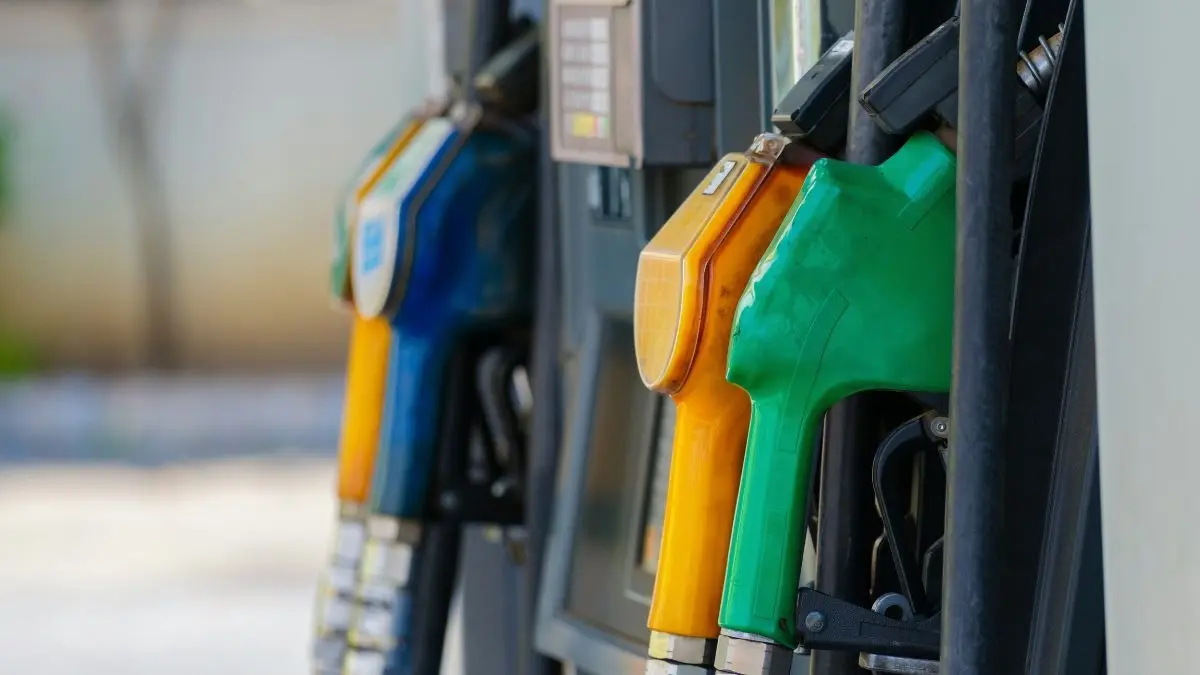
The Union government is examining the feasibility of increasing ethanol blending in petroleum products, including petrol and diesel, as part of efforts to reduce India’s heavy reliance on crude oil imports.
Responding to Republic TV’s question during an inter-ministerial briefing in Delhi on the West Asia crisis, Sujata Sharma, Joint Secretary in the Ministry of Petroleum and Natural Gas, said consultations are underway with key stakeholders such as automobile manufacturers and oil marketing companies to assess the technical and commercial viability of raising blending levels.
The move comes amid heightened concerns over energy security, with India currently importing nearly 87 per cent of its oil requirements. Officials believe higher ethanol blending could help cut import bills, boost domestic biofuel production and reduce emissions.
India has already rolled out E20 petrol fuel blended with 20 per cent ethanol, following its launch in 2023. Most modern vehicles can run on E20 with minor engine modifications to prevent corrosion and maintain efficiency.
Advertisement
Push for 100% blending amid energy security concerns
The policy review aligns with recent remarks by Road Transport and Highways Minister Nitin Gadkari, who has advocated that India should aim for 100 per cent ethanol blending in the near future. He cited vulnerabilities arising from geopolitical tensions in West Asia as a key reason for accelerating the transition towards energy self-reliance.
Gadkari noted that countries such as Brazil have already achieved 100 per cent ethanol usage, presenting a viable model for India. He also highlighted the economic burden of fossil fuel imports, estimated at Rs 22 lakh crore annually, and their contribution to pollution.
Advertisement
The minister added that upcoming Corporate Average Fuel Efficiency (CAFE III) norms, effective from April next year, are expected to have minimal impact on electric and flex-fuel vehicles, further supporting the shift towards alternative fuels.