
India In Washington’s Crosshairs? US Sanctions Six Petrochemical Indian Companies—Here's Why
The United States has imposed sanctions on at least six Indian companies accused of trading in Iranian petroleum and petrochemicals as part of a broader action targeting 20 entities worldwide.
- Republic Business
- 4 min read

;'%3e%3cpath%20d='m8,15.99c4.41,0,7.99-3.58,7.99-7.99S12.41,0,8,0,0,3.59,0,8s3.58,7.99,7.99,7.99Z'%20style='stroke:%23fff;%20stroke-miterlimit:10;%20stroke-width:.02px;'/%3e%3cpath%20d='m3.08,3.37l3.82,5.11-3.84,4.15h.87l3.37-3.64,2.72,3.64h2.94l-4.04-5.39,3.58-3.87h-.86l-3.1,3.35-2.5-3.35h-2.94Zm1.27.64h1.35l5.97,7.99h-1.35l-5.97-7.99Z'%20style='fill:%23fff;'/%3e%3c/g%3e%3c/svg%3e)


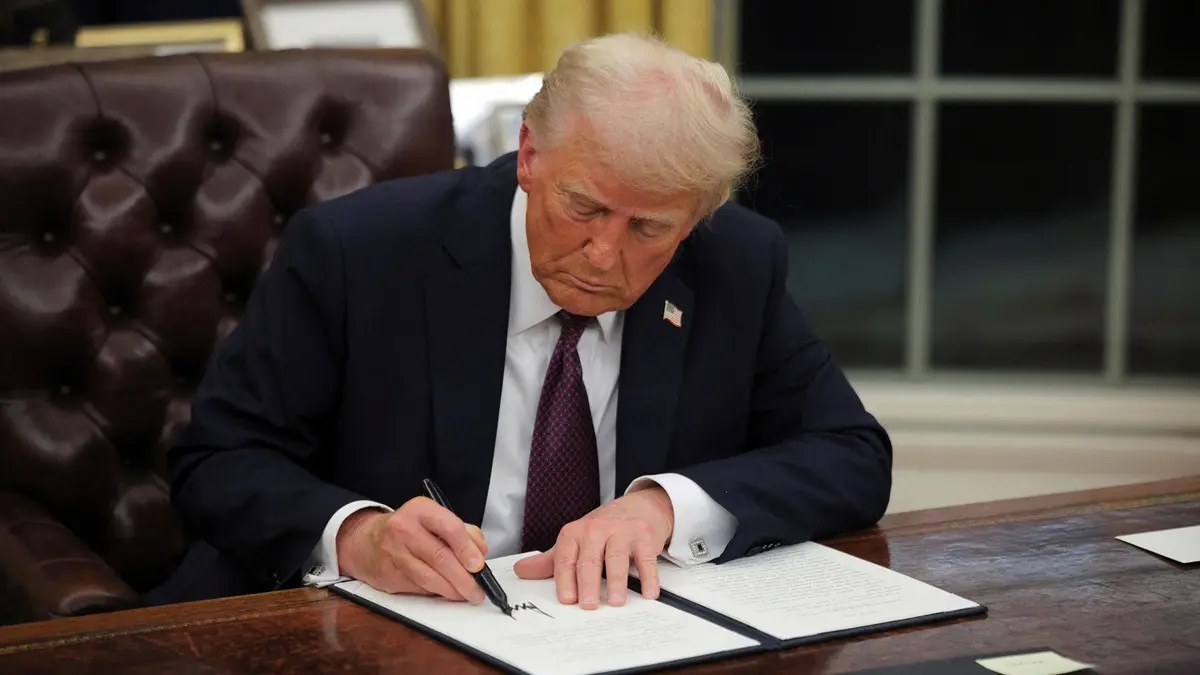
The United States has imposed sanctions on six Indian companies accused of trading in Iranian petroleum and petrochemicals as part of a wider action targeting 20 entities worldwide. The US Department of State announced on July 30, 2025.
According to the State Department, these Indian firms knowingly engaged in “significant transactions” for the purchase and marketing of Iranian petroleum products, which violated American sanctions on Iran.
The move underscores Washington’s ongoing efforts to enforce its sanctions regime against Tehran by targeting companies it believes are involved in facilitating the Iranian oil and petrochemical trade.
Indian Companies Named in Sanctions
The sanctioned Indian companies include some of the country’s major petrochemical traders involved in large-scale imports from Iran over the past year. Alchemical Solutions Private Limited has been accused of importing Iranian petrochemical products valued at over $84 million between January and December 2024.
Advertisement
Global Industrial Chemicals Limited allegedly purchased Iranian petrochemicals, including methanol, worth more than $51 million between July 2024 and January 2025.
Jupiter Dye Chem Private Limited reportedly imported Iranian petrochemical products, including toluene, valued at over $49 million during the same period.
Advertisement
Ramniklal S Gosalia and Company is accused of buying Iranian petrochemicals worth over $22 million, including methanol and toluene, while Persistent Petrochem Private Limited allegedly imported approximately $14 million worth of Iranian methanol between October and December 2024.
Kanchan Polymers is said to have imported Iranian polyethylene products valued at over $1.3 million.
Sanctions Details
Under the sanctions, all assets of these Indian companies located in the United States or under the control of US persons have been frozen, effectively barring them from access to any US financial system or property.
Furthermore, American individuals and companies are prohibited from conducting any business transactions with the sanctioned firms, and any entity that is at least 50 per cent owned by these companies will also be blocked under US law.
The sanctioned companies do have the option of petitioning for removal from the US Treasury Department’s Specially Designated Nationals (SDN) list, which imposes these restrictions.
In a statement, the US government said, “The ultimate goal of sanctions is not to punish, but to bring about a positive change in behaviour,” emphasising that these actions are designed to compel compliance rather than merely impose penalties.
Part of Global Crackdown on Iran
These sanctions are part of Washington’s ongoing “maximum pressure” campaign against Iran, aimed at disrupting the country’s oil and petrochemical export network.
US officials have accused Iran of using revenue generated from these exports to finance what they describe as “destabilising activities” in the Middle East and to provide support for terrorist groups.
As part of this crackdown, the US has been targeting what it calls Iran’s “shadow fleet” of vessels and intermediary companies that help facilitate the transportation and marketing of Iranian petroleum products worldwide.
In addition to Indian companies, the latest round of sanctions also hit firms in Turkey, the UAE, China, and Indonesia, which Washington claims are part of a broader global network assisting Iran in evading sanctions and sustaining its oil exports.
India-Iran Trade Context
India has historically shared close trade ties with Iran, particularly in the energy sector, although these links have weakened significantly since 2019 as a result of previous US sanctions that forced New Delhi to sharply cut its imports of Iranian oil.
However, despite this reduction, some Indian firms continued limited petrochemical trade with Iran, which has now drawn the attention of US authorities.
The Indian companies that have been sanctioned will now face severe restrictions on their ability to operate internationally, especially in dealings involving US financial systems.
Companies wishing to contest their designation have the right to submit petitions to the Treasury Department’s Office of Foreign Assets Control (OFAC), which will review requests and determine whether removal from the sanctions list is warranted.
The US government maintains that the purpose of these measures is to bring targeted entities into compliance rather than to inflict indefinite penalties.