
Updated 23 November 2023 at 14:36 IST
Turkish clothing manufacturers confront rising costs amid textile sector support
Ankara's recent move involved a 30 to 100 per cent increase in tariffs on numerous incoming textile products.
- Republic Business
- 3 min read

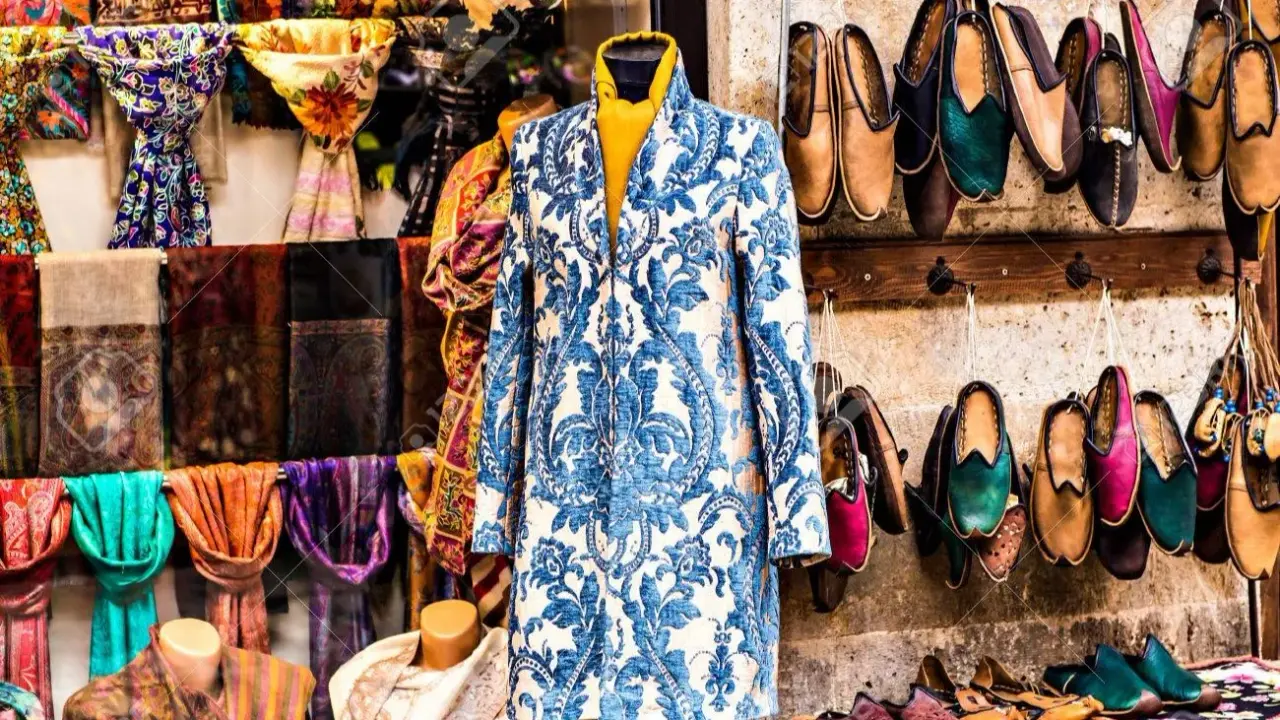
Turkish clothing manufacturers, known as major suppliers to Europe, are grappling with heightened production expenses and a potential lag behind their Asian competitors. This challenge arises following the Turkish government's decision to raise tariffs on textile imports, aiming to bolster local yarn and fabric producers amid an influx of cheaper imports.
Ankara's recent move involved a 30 to 100 per cent increase in tariffs on numerous incoming textile products. The intention was to support domestic manufacturing, but industry leaders express concerns about the impact on their sector, which supplies prominent European brands like H&M, Mango, Adidas, Puma, and Inditex.
Industry representatives highlight the risk of job cuts due to rising import costs and the potential loss of market share to countries such as Bangladesh and Vietnam. While exporters theoretically have the option to seek exemptions from the tax, the process is reportedly arduous, expensive, and often ineffective for many companies.
Even before these developments, the industry faced challenges like soaring inflation, weakened demand, narrower profit margins due to currency valuation concerns, and the effects of Turkey's interest rate policies aimed at curbing inflation.
Advertisement
The cost disparity between a Turkish-made t-shirt and a Bangladeshi one for European consumers has widened to around 40 per cent, significantly higher than the 15 to 20 per cent gap observed a couple of years ago, as per industry experts.
While some manufacturers, like Timur Bozdemir of DF Manhattan Inc anticipate a minimal increase of around 50 cents in the cost of a $10 t-shirt, there's an overarching recognition within the Turkish apparel industry for a shift from mass production to higher-value offerings to remain competitive.
Advertisement
Turkey, a significant player in textile and apparel exports, has observed a slip in its market share in Europe, dropping from 13.8 per cent in 2021 to 12.7 per cent last year. Challenges persist for the sector, evident in declining exports and reduced employment, especially in yarn manufacturing.
The struggles faced by textile businesses are reflected in their capacity utilization rates and production cuts. Some yarn manufacturers, like Fatih Bilici's company, have significantly reduced output due to cost pressures, emphasising the necessity of tariffs for industry survival.
While the Turkish lira has depreciated significantly against the dollar, exporters assert that further devaluation is needed to align with inflation rates exceeding 61 per cent. The textile and apparel sector has already witnessed substantial job losses this year and anticipates further cuts as monetary policies aim to stabilise the economy.
(With Reuters Inputs)
Published By : SEO Desk
Published On: 23 November 2023 at 14:36 IST