
Need Change For A Cup Of Tea Or Auto Ride? Hybrid ATM Exchanges Your Big Note For Smaller Currency
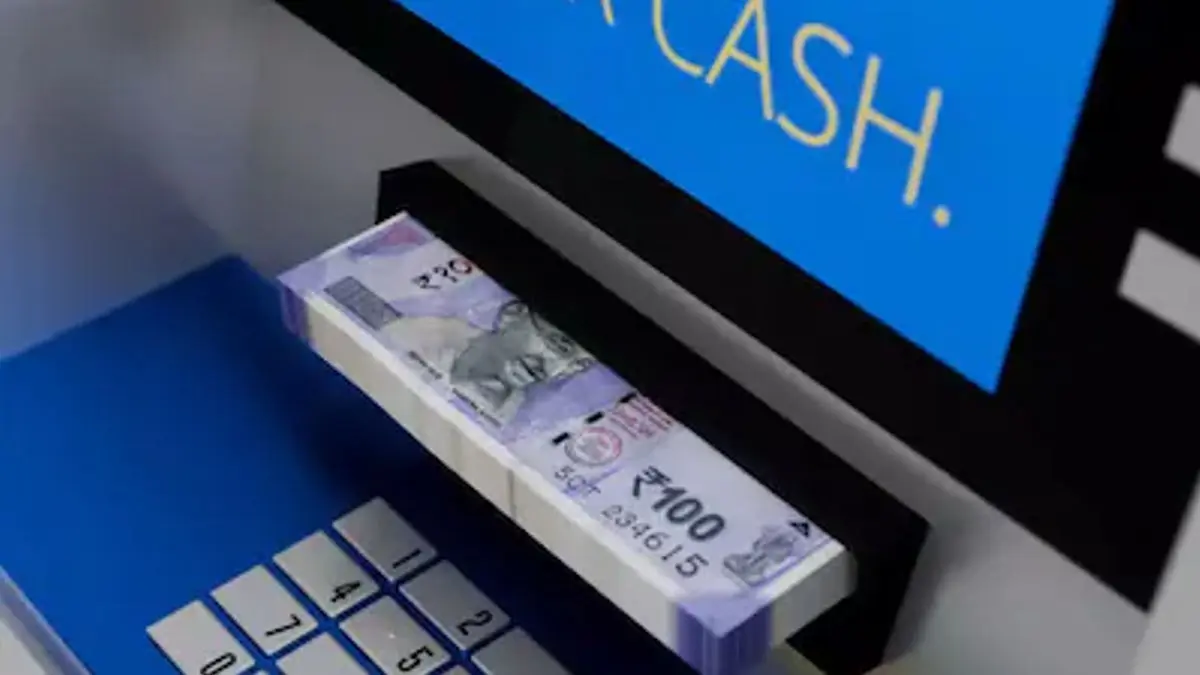
The Central Government is introducing "Hybrid ATMs" to solve the persistent shortage of "loose change." Unlike traditional machines that mostly hold ₹500 bills, these new ATMs are specifically designed to dispense notes of Rs 10, Rs 20, and Rs 50.
- Republic Business
- 2 min read

;'%3e%3cpath%20d='m8,15.99c4.41,0,7.99-3.58,7.99-7.99S12.41,0,8,0,0,3.59,0,8s3.58,7.99,7.99,7.99Z'%20style='stroke:%23fff;%20stroke-miterlimit:10;%20stroke-width:.02px;'/%3e%3cpath%20d='m3.08,3.37l3.82,5.11-3.84,4.15h.87l3.37-3.64,2.72,3.64h2.94l-4.04-5.39,3.58-3.87h-.86l-3.1,3.35-2.5-3.35h-2.94Zm1.27.64h1.35l5.97,7.99h-1.35l-5.97-7.99Z'%20style='fill:%23fff;'/%3e%3c/g%3e%3c/svg%3e)


Mumbai: In a move to resolve the never-ending struggle for "loose change" in daily transactions, the central government is set to introduce a high-tech solution, which is Hybrid ATMs.
These machines are designed specifically to distribute small-denomination notes like Rs 10, Rs 20, and Rs 50, while also allowing users to exchange large Rs 500 bills for smaller currency.
Addressing the Cash Puzzle
Despite the massive surge in digital payments via UPI, cash remains an important part of India’s informal economy. Commuters, daily wage workers, and small vendors frequently find themselves in a “cash puzzle”, carrying high-value notes but unable to pay for basic services like a cup of tea or an auto-rickshaw ride due to a lack of change.
The hybrid ATM initiative aims to bridge this gap. Unlike traditional ATMs that primarily stock Rs 500 notes, these new machines will focus on:
Advertisement
Micro-Withdrawals: Enabling small-value cash outs for daily needs.
Note Exchange: A built-in feature to break large denominations into smaller, usable notes.
Advertisement
Strategic Rollout
The initiative has already taken its first step with a pilot project in Mumbai. Strategic locations have been identified to ensure maximum impact for those who rely on cash, such as railway stations and bus depots, Government hospitals and offices, and crowded local marketplaces.
If the Mumbai pilot project proves successful, the government plans a nationwide scale-up, ensuring that the 90% ATM compliance target for smaller notes (set by the RBI for March 2026) includes these ultra-low denominations.
The RBI’s Challenge
Implementing this system requires more than just new hardware. The Reserve Bank of India (RBI) is currently evaluating the need to increase the printing of lower-value currency. However, this comes with significant hurdles.
1. Smaller notes are more expensive to produce relative to their value and wear out much faster than larger bills.
2. Banks must modify "cassettes" (the internal cash trays) and update software to handle the varying sizes of Rs 10 and Rs 20 notes.
3. Since these ATMs will run out of cash faster due to high transaction volume, the cost of armoured van refills and security will likely rise.
While the "Digital India" push continues, the government recognises that nearly 60% of consumer spending in rural and semi-urban areas still involves physical currency. These hybrid ATMs are seen as a vital tool for financial inclusion, ensuring that those without smartphones or reliable internet can still participate smoothly in the economy.