
PM Modi Delivers On His Promise With Two New GST Rates. Here's What Gets Cheaper, What Gets Expensive
GST Council's latest meeting simplifies tax structure, cuts rates on essentials like food, medicines, and cement, while increasing taxes on luxury goods and sin products.
- Republic Business
- 3 min read

;'%3e%3cpath%20d='m8,15.99c4.41,0,7.99-3.58,7.99-7.99S12.41,0,8,0,0,3.59,0,8s3.58,7.99,7.99,7.99Z'%20style='stroke:%23fff;%20stroke-miterlimit:10;%20stroke-width:.02px;'/%3e%3cpath%20d='m3.08,3.37l3.82,5.11-3.84,4.15h.87l3.37-3.64,2.72,3.64h2.94l-4.04-5.39,3.58-3.87h-.86l-3.1,3.35-2.5-3.35h-2.94Zm1.27.64h1.35l5.97,7.99h-1.35l-5.97-7.99Z'%20style='fill:%23fff;'/%3e%3c/g%3e%3c/svg%3e)


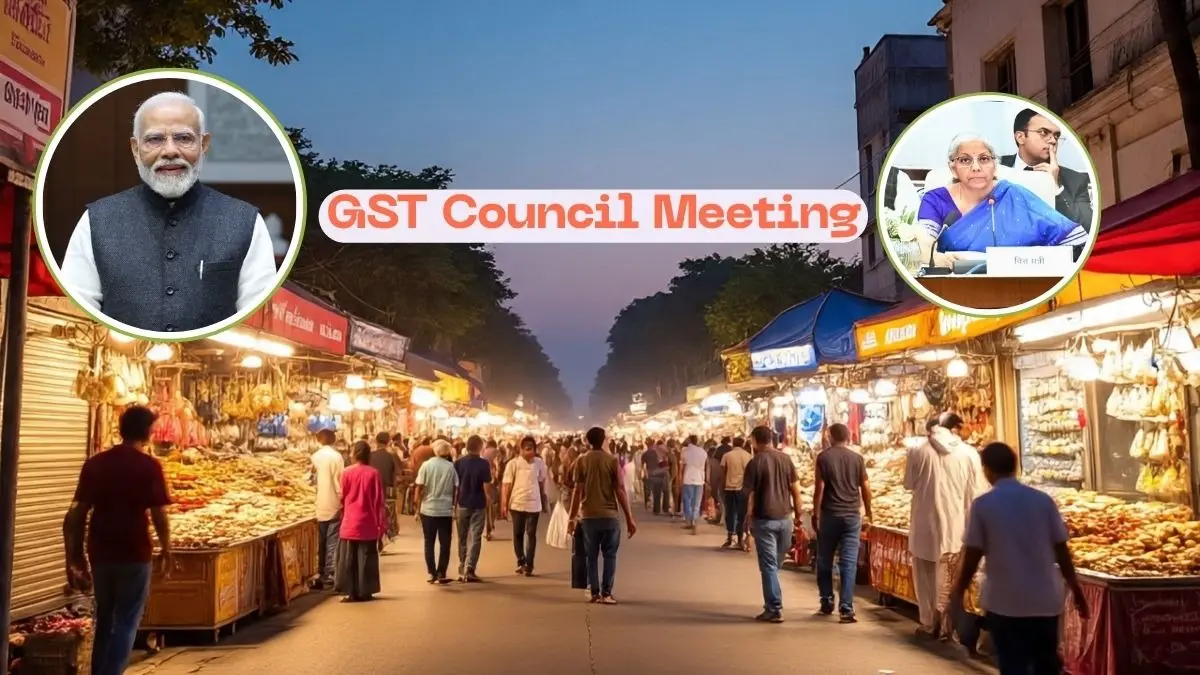
New Delhi: The 56th GST Council meeting brought many changes that directly affect the middle class. Several essential items have become cheaper, while some luxury and “sin goods” are now more expensive. With the latest two news GST rates, Prime Minister Narendra Modi has delivered his promise of a big GST bonanza. Let’s break the GST rates down simply.
What Got Cheaper
1. Dairy Products
Daily kitchen essentials like UHT milk, paneer, butter, ghee, and cheese are now cheaper. GST has been cut to either Nil or 5%, giving relief to families.
2. Common Food Items
Advertisement
Household staples such as pizza bread, chapati, khakhra, pasta, sauces, soups, namkeens, biscuits, and confectionery have seen tax cuts. This means lower grocery bills for the middle class.
3. Dry Fruits and Nuts
Advertisement
Almonds, pistachios, hazelnuts, cashews, dates, figs, and other dry fruits are now taxed at 5% instead of 12%. This is a big relief during festive seasons when dry fruits are in high demand.
4. Medicines and Healthcare
Life-saving medicines for cancer, rare diseases, and chronic illnesses are now either Nil or 5%. Medical oxygen, thermometers, glucometers, and diagnostic kits are also cheaper. Healthcare expenses will now reduce.
5. Daily Use Products
Household items like soap, shampoo, toothpaste, hair oil, talcum powder, candles, shaving cream, and feeding bottles have become cheaper, with GST cut to 5%. This will reduce monthly household costs.
6. Furniture & Handicrafts
Handcrafted items, bamboo and cane furniture, decorative articles, lamps, pottery, and statues now attract just 5% GST. This will benefit both artisans and middle-class buyers.
7. Vehicles for Common Use
The Council has made important changes in vehicle taxation. Small cars under 1200cc (petrol, CNG, LPG) and under 1500cc (diesel) will now attract 18% instead of 28%.
Tractors, three-wheelers, ambulances, and motorbikes under 350cc will also enjoy reduced GST.
8. Education & Stationery
Notebooks, pencils, sharpeners, erasers, maps, and globes now fall in Nil or 5% GST, easing education costs for students and parents.
9. Electronics & Appliances
TVs, washing machines, refrigerators, and air conditioners now attract 18% instead of 28%. This makes home appliances more pocket-friendly for the middle class.
10. Green Energy Products
Solar panels, wind turbines, and renewable energy devices now attract only 5% GST, making sustainable energy more affordable for households.
What Got Expensive
1. Pan Masala & Gutkha
Taxes on pan masala, gutkha, and chewing tobacco have gone up to 40%. This is aimed at discouraging consumption.
2. Aerated & Caffeinated Drinks
Soft drinks, energy drinks, and caffeinated beverages are now taxed at 40% instead of 28%, making them much costlier.
3. Luxury Vehicles & SUVs
High-end cars, SUVs, and motorbikes above 350cc will now attract 40% GST, pinching the wallets of luxury buyers.
4. Yachts & Private Aircraft
Luxury items such as yachts and private aircraft are also now in the 40% slab. This targets the wealthy, not the middle class.
5. Coal & Lignite
Coal, lignite, and peat rates were raised from 5% to 18%. This may indirectly affect electricity and utility costs for households.