
Poland’s path to euro will be long and arduous
The economic arguments for Poland to adopt the euro are strong.
- Republic Business
- 3 min read

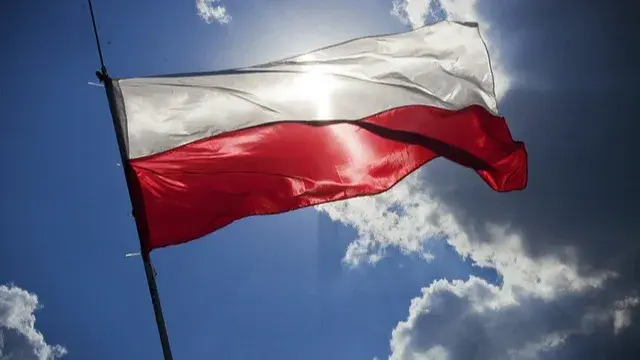
Zloty break. It would be reasonable to expect that the co-author of a high-profile 2015 report on “completing Europe’s economic and monetary union” would put his country on the list of candidates to join the euro zone. Donald Tusk, who last month won back the job of Poland’s prime minister he had held between 2007 and 2014, may however have different priorities. Joining the monetary union is a long-term goal at best for his country.
The economic arguments for Poland to adopt the euro are strong. The country exports the equivalent of 63% of its GDP, and 75% of its trade is with the European Union. Exporters have benefitted from the 9.5% fall in the zloty against the euro since Warsaw joined the Union in 2004. But the volatility of the national currency has been a problem. In the past two decades, its value against the euro has been as much as 26% lower and up to 12% higher than its current level. These fluctuations create uncertainty and raise transaction costs for businesses.

European treaties also oblige Poland to join the euro zone at some point, but the decision to apply is left up to national governments. Other refuseniks include Sweden and the Czech Republic.
After the previous right-wing government engaged in years of political friction with Brussels on major rule-of-law issues, Tusk campaigned on the need for Poland to get closer to Europe. But joining the monetary union was not part of his platform. Not all parties of his coalition agree on this crucial issue. And he would need a change in the Constitution that requires a two-thirds parliamentary majority he doesn’t have. Moreover, a significant majority of Poles still seem opposed to ditching the zloty.
Advertisement
For now, Tusk has other priorities. He wants to row back on several of his predecessors’ policies that antagonised the EU, from gender and abortion rights to the independence of the judiciary and the role of the Catholic Church. That would allow Warsaw to claim its full share of the EU’s Recovery and Resilience funds, including some 25 billion euros of grants. Tusk also has to deal with a budget deficit expected to reach nearly 5% this year.
So joining the monetary union may not be at the top of the new prime minister’s agenda. Besides, Poland hasn’t done too badly since it joined the EU in 2004. GDP per capita has doubled in real terms – by some measures it is now above Portugal’s. Adopting the euro might help it at some point. But for now, that is not a must-have.