
SEBI Mutual Fund Reforms Slash Expenses, Boost Investor Clarity: Centrum
SEBI scraps 5 bps exit load expense allowance, rationali TER slabs (10 bps cut for large schemes), mandates transparent expense segregation. Investors gain clarity, lower costs; AMCs face PBT hit but can adjust via distributors. Brokerage caps neutral. Long-term win for trust, efficiency
- Republic Business
- 2 min read

;'%3e%3cpath%20d='m8,15.99c4.41,0,7.99-3.58,7.99-7.99S12.41,0,8,0,0,3.59,0,8s3.58,7.99,7.99,7.99Z'%20style='stroke:%23fff;%20stroke-miterlimit:10;%20stroke-width:.02px;'/%3e%3cpath%20d='m3.08,3.37l3.82,5.11-3.84,4.15h.87l3.37-3.64,2.72,3.64h2.94l-4.04-5.39,3.58-3.87h-.86l-3.1,3.35-2.5-3.35h-2.94Zm1.27.64h1.35l5.97,7.99h-1.35l-5.97-7.99Z'%20style='fill:%23fff;'/%3e%3c/g%3e%3c/svg%3e)


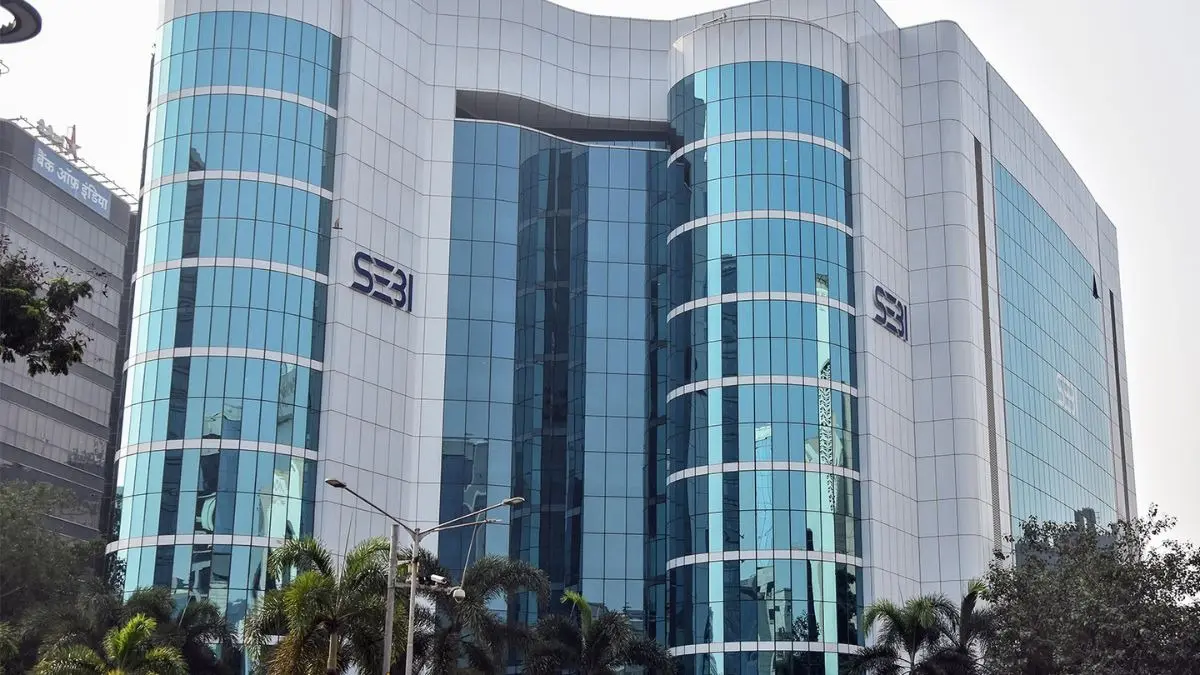
The Securities and Exchange Board of India's (SEBI) decision on Wednesday to overhaul mutual fund expense regulations is expected to enhance long-term investor outcomes, even as it creates near-term pressure on asset management companies (AMCs), according to a research analysis by Centrum.
From an investor standpoint, the withdrawal of the additional 5 basis points (bps) expense allowance linked to exit loads is a step toward reducing hidden costs and improving clarity around fund expenses. While this move may weigh on AMC profitability in the short term, it strengthens the alignment between investor costs and actual fund management expenses.
The report estimates that, without mitigating actions, AMCs could see a cumulative impact on profit before tax (PBT) by FY27. However, it adds that fund houses have the flexibility to recalibrate operating structures, including passing part of the cost burden to distributors, thereby preserving business sustainability without directly increasing investor expenses.
Importantly for investors, SEBI's proposal to rationalize total expense ratio (TER) slabs for large equity-oriented schemes provides balance. The regulator has reduced the proposed TER cut for schemes with assets exceeding Rs 20 billion to 10 bps, from the earlier proposed 15 bps. This adjustment is expected to ensure that large, efficient schemes remain viable while continuing to offer competitive pricing for investors.
Advertisement
A key positive for investors is SEBI's emphasis on transparency. The reforms mandate a clearer segregation of base expenses, brokerage costs, and statutory levies, enabling investors to better understand the true cost of investing in mutual fund schemes. This improved disclosure framework is expected to enhance trust and confidence in the mutual fund industry over the medium to long term.
SEBI has also lowered brokerage caps in both cash and derivatives segments, with statutory levies charged separately. The report suggested that the impact on brokerages will be broadly neutral, as the effective reduction in brokerage revenues is expected to be limited, ensuring market stability while reinforcing cost discipline.
Advertisement
Overall, the reforms are viewed as structurally positive for investors. Lower and more transparent expense disclosures, tighter cost controls, and improved comparability across schemes are expected to support more informed investment decisions. While AMCs may experience short-term earnings pressure, the changes are likely to foster a healthier, more transparent mutual fund ecosystem that better aligns industry economics with investor interests and long-term market efficiency.