
Updated 25 January 2024 at 18:12 IST
UK sceptical on digital money due to privacy concerns
The BoE and the finance ministry clarified, "No final decision has been made to pursue a digital pound - also called a central bank digital currency.
- Republic Business
- 2 min read

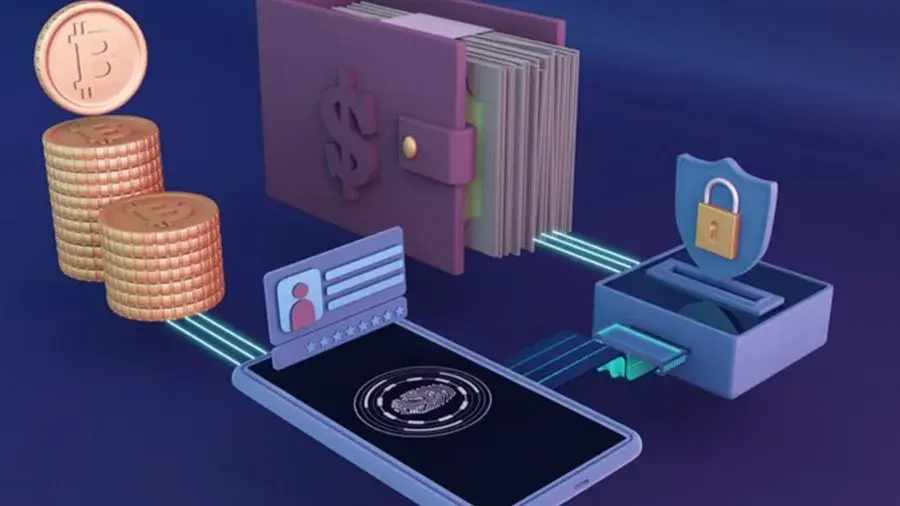
UK’s privacy concerns: British authorities have postponed a decision on the creation of a state-backed digital pound until at least next year, citing unresolved privacy concerns. The Bank of England and the UK's finance ministry disclosed their intention to continue preliminary work following a public consultation that received 50,000 responses, with many expressing worries about privacy issues.
In a joint statement, the BoE and the finance ministry clarified, "No final decision has been made to pursue a digital pound - also called a central bank digital currency." The decision-making process is expected to progress to the build phase around the mid-2020s. Prime Minister Rishi Sunak initially supported the concept in 2021, urging the BoE to initiate the project.
If approved, the digital pound would allow Britons to hold electronic pounds equivalent to physical cash, with a proposed limit of £10,000 to £20,000 ($12,700-$25,400). Unlike cash, the digital currency would not accrue interest. Banks had advocated for a lower limit to prevent potential outflows from standard bank accounts.
Last month, UK lawmakers expressed reservations about the need for digital cash. Similar privacy concerns are being grappled with by other central banks worldwide, including the European Central Bank and the US Federal Reserve.
Advertisement
The European Union's progress toward a digital euro has been hindered by privacy concerns, highlighting that it is not a surveillance-oriented project. The UK asserts that a digital pound would be private but not anonymous, allowing authorities to track transactions for potential money laundering or terrorism financing. The public would still retain access to an anonymous payment option through physical cash.
As the use of physical cash declines in the UK, a state-backed digital alternative is seen as a potential solution for diverse payment needs. Legislation to ensure privacy would be implemented if the project moves forward, with further public consultations planned. The digital currency, if approved, would not empower the government to restrict specific transactions, addressing concerns raised by privacy advocates.
Advertisement
(With Reuters inputs)
Published By : Anirudh Trivedi
Published On: 25 January 2024 at 18:12 IST