
US-Israel-Iran War: Oil Tanker Traffic Through Strait Of Hormuz Down By 90%
The impact of continued disruptions and war-triggered tensions in the Strait of Hormuz is expected to spread other Asian economies including Japan, India and South Korea, who are the major beneficiaries of oil tanker transit in this critical waterway.
- Republic Business
- 2 min read

;'%3e%3cpath%20d='m8,15.99c4.41,0,7.99-3.58,7.99-7.99S12.41,0,8,0,0,3.59,0,8s3.58,7.99,7.99,7.99Z'%20style='stroke:%23fff;%20stroke-miterlimit:10;%20stroke-width:.02px;'/%3e%3cpath%20d='m3.08,3.37l3.82,5.11-3.84,4.15h.87l3.37-3.64,2.72,3.64h2.94l-4.04-5.39,3.58-3.87h-.86l-3.1,3.35-2.5-3.35h-2.94Zm1.27.64h1.35l5.97,7.99h-1.35l-5.97-7.99Z'%20style='fill:%23fff;'/%3e%3c/g%3e%3c/svg%3e)


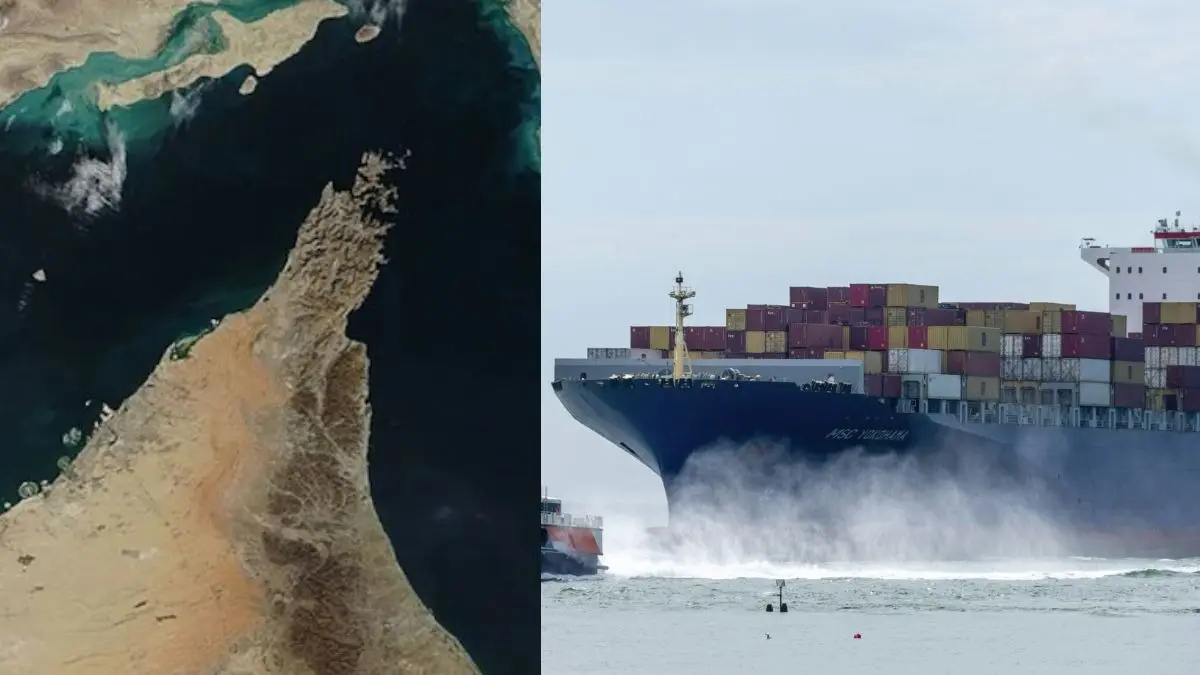
Amid the ongoing Israel-US-Iran conflict, tanker transits in the Strait of Hormuz are 90% lower as compared to last week, according to energy intelligence firm Kpler.
The vital strait open for maritime trade located between Iran, Oman and the UAE, is credited for almost 20% of the world's oil supply flows, nearly 17 million barrels every day.
Matt Wright, Principal Freight Analyst at Kpler, said, “Unlike several other vessel segments where movements have largely ceased, some tankers are still travelling east and west through the strait, with a number of voyages occurring under AIS blackouts.”
Shipping companies are reluctant to send vessels into a conflict zone, particularly as insurance premiums have surged sharply.
Advertisement

A blockade here will likely impact countries like China, and Pakistan, who rely heavily on vessels movements that take place in this 33 kms strait. While 40% of China's oil imports pass through this Strait of Hormuz, Pakistan meets 90% of its oil requisite through this strait.
Advertisement
The impact of continued disruptions and war-triggered tensions in the Strait of Hormuz is expected to spread other Asian economies including Japan, India and South Korea, who are the major beneficiaries of oil tanker transit in this critical waterway.
Meanwhile, the ripple effects of trade linked disruptions, especially in the energy sector was visible when a fire erupted in Saudi Aramco's Ras Tanura facility, and when Qatar decided to temporarily halt their liquefied natural gas production post attacks on its facilities
The sharp decline in tanker traffic has quickly pushed up global energy prices. International oil prices have jumped about 12% since the conflict began, reaching roughly $81 per barrel. Natural gas prices have also surged across Europe and Asia.
However, nations are relying on their energy reserves that could protect them from immediate disruption. On the other hand, experts raised the alarm over the pressure on global energy markets amid Israel-US strikes on Iran.
Beyond oil tankers, the strait is also used by many other large vessels, including container ships and car carriers. In normal circumstances.