
Warning From the IMF: Don't Expect Tariffs to Cure Our Deepening Global Imbalances
The report directly criticized the U.S. President Donald Trump administration's imposition of higher import tariffs, which are aimed at increasing revenues and correcting trade deficits.
- Republic Business
- 2 min read

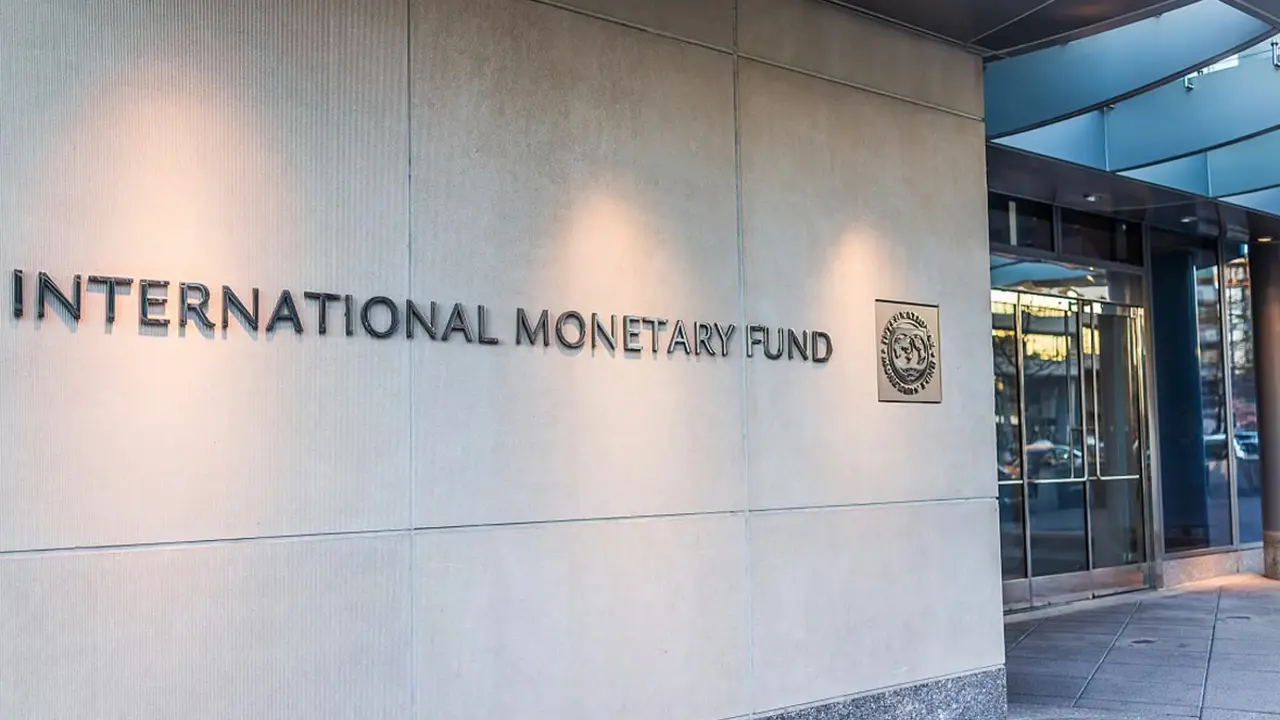
The International Monetary Fund (IMF) announced on Tuesday that global current account balances significantly widened in 2024, reversing a trend of narrowing seen since the 2008-2009 financial crisis. The IMF explicitly warned that tariffs are not an effective solution to these growing global imbalances, cautioning against escalating trade tensions and their potential impact on the international monetary system.
In its annual External Sector Report, which scrutinizes the external balances of the 30 largest economies, the IMF highlighted that while surpluses or deficits aren't inherently problematic, they pose economic risks when they become excessive. The report specifically pointed to prolonged domestic imbalances, continued fiscal policy uncertainty, and rising trade tensions as factors that could heighten financial stress globally.
The report directly criticized the U.S. President Donald Trump administration's imposition of higher import tariffs, which are aimed at increasing revenues and correcting trade deficits. The IMF stated that a "further escalation of the trade war would have significant macroeconomic effects," leading to reduced global demand and increased inflationary pressures due to rising import prices.
Major Economies Showed Increased Imbalances
Advertisement
The 2024 data revealed that the widening of global current account balances was largely driven by increased excess balances in the world's three largest economies: the United States, China, and the euro area.
The U.S. deficit expanded by $228 billion to $1.13 trillion, representing 1% of global GDP.
China's surplus increased by $161 billion to $424 billion.
Euro area surpluses grew by $198 billion to $461 billion.
Advertisement
Potential Shifts in the International Monetary System
The report also highlighted concerns about rising geopolitical tensions potentially triggering shifts in the international monetary system (IMS), which could undermine financial stability. While acknowledging the continued dominance of the U.S. dollar, the IMF noted that growing geoeconomic fragmentation and recent weaker demand for U.S. Treasuries could reflect concerns about the U.S. fiscal trajectory.
The IMF report mentioned the increased use of China's yuan in international trade and finance, a "softening in the United States' role as world banker and insurer," and the emergence of alternative payment systems and private digital assets as factors that could lead to future changes in international currency use.
Gourinchas concluded that while the risks of serious dislocation in the IMS remain moderate, rapid increases in global imbalances can generate significant negative cross-border spillovers. He warned against countries responding to these imbalances by further raising trade barriers, stating that such actions would lead to increased geoeconomic fragmentation and “long-lasting harm to the global economy.”