
Paytm faces RBI snub for its payments bank: What next?
The Reserve Bank of India's latest hard call on Paytm Payments Bank pushes the listed digital payments enabler to the status of an embattled fintech player
- Republic Business
- 4 min read

;'%3e%3cpath%20d='m8,15.99c4.41,0,7.99-3.58,7.99-7.99S12.41,0,8,0,0,3.59,0,8s3.58,7.99,7.99,7.99Z'%20style='stroke:%23fff;%20stroke-miterlimit:10;%20stroke-width:.02px;'/%3e%3cpath%20d='m3.08,3.37l3.82,5.11-3.84,4.15h.87l3.37-3.64,2.72,3.64h2.94l-4.04-5.39,3.58-3.87h-.86l-3.1,3.35-2.5-3.35h-2.94Zm1.27.64h1.35l5.97,7.99h-1.35l-5.97-7.99Z'%20style='fill:%23fff;'/%3e%3c/g%3e%3c/svg%3e)


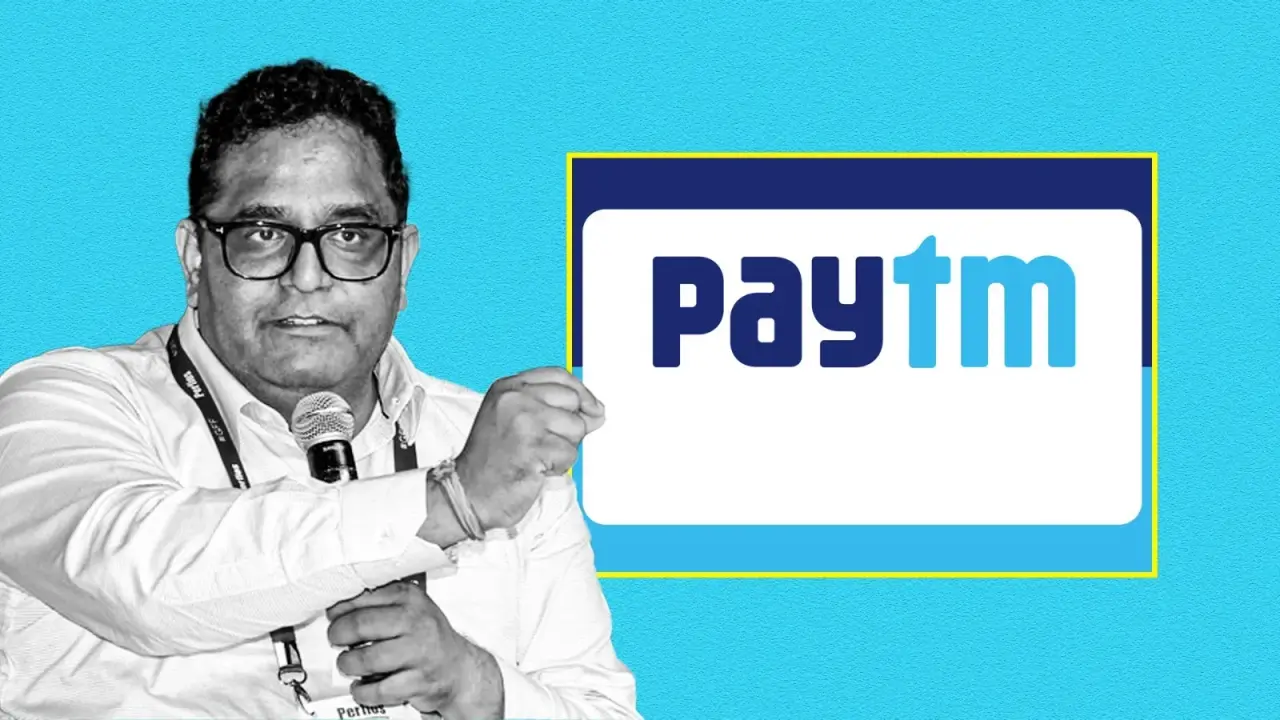
Embattled fintech?: Listed fintech titan Paytm faces what is touted as its biggest crisis, after the Reserve Bank of India ordered Paytm Payments Bank to stop accepting any deposits from February 29.
The directive comes after the RBI had restricted One97 Communications, which operates under the Paytm brand, from onboarding new customers on its banking arm.
One97 Communications held a virtual briefing towards the evening on February 1, where it informed of receiving the regulatory directive from RBI and its measures for compliance.
What's next for the Bank
“PPBL (Paytm Payments Bank Limited) users can use their savings accounts balances, Wallets, FASTags and NCMC account etc till 29 Feb 2024,” it said.
Advertisement
The payments aggregator for online and offline merchants works with various banks since the last two years, emphasising that it will leverage its relationship with other banks and not with its own payments arm after the directive.
"Paytm Payments Services Limited is in the process of moving nodal accounts to other large commercial banks, it said, adding that their marketing and financial services business has not been affected by the directive for the banking arm.
There will be a requirement to have some operational changes for which the work has started wherever customers or merchants have a relationship with PPBL, Paytm said, adding that it has paused its lending platform operations for a couple of weeks.
Advertisement
Shares for the company tanked 20 per cent lower at Rs 608.80 as on Thursday, February 1.
According to analysts cited by Reuters, Paytm's lending partners might reconsider their relationship with the firm.
This will further play havoc on the fintech's efforts to attain net profitability.
How it started
Paytm was founded in 2010 by Vijay Shekhar Sharma, their Managing Director, as a platform for paying pre-paid mobile and television bills.
The company expanded operations to facilitate instant payments online via the Unified Payments Interface (UPI). This resulted in its payments business becoming the largest source of revenue for the Noida-based fintech.
Six years after its inception, Paytm rose to fame after India banned Rs 500 and Rs 1000 notes as part of the demonetisation exercise on 8 November 2016.
This led to an emphatic rise in online transactions since Paytm was a key player in the emerging category back then.
Paytm raised investments from Japan's Softbank, Chinese fintech Ant Group as well as Jack Ma's e-commerce conglomerate Alibaba, finally going for a public listing (IPO) in November 2021.
But its BSE debut was one of the worst for stock markets in India, pointing fingers at the company's lack of profit and lofty valuation. Paytm's investors started offloading shares in the company one by one, amid concerns of Chinese ownership in the fintech firm.
While Alibaba has offloaded its entire holding in the company, Softbank trimmed stakes in the company last year through open-market deals. This made Vijay Shekhar Sharma the largest shareholder of the company after he bought a chunk of Ant Financial's stake in the company.
The entrepreneur had dropped off Forbes' billionaire list in 2023. Sharma, part-time chairman of Paytm Payments Bank, owns a 51 per cent stake in the banking arm.
Ant Financial and Softbank hold 9.89 per cent and 6.46 per cent stakes in the company respectively, according to stock exchange data in December 2023.
Bread and Butter
Paytm has two major sources of revenue - its merchant payment business and loan business. While the merchant payments constitutes close to 60 per cent of its total income, loans account for about 20 per cent.
Merchants on the fintech platform have to pay up a fee to use Paytm's payment gateway. Its other subscription-based services and products include the soundbox and card swipe machine.
Paytm also provides loans under partnerships with some banks and non-bank financial companies, claiming a portion in interest. Loans were also offered through Paytm Payments Bank.