
German Army's Puma infantry fighting vehicle upgrade faces setback after software challenges emerge
The Puma, designed for the digital battlefield, replaces the Marder IFV and aims for full operational readiness by 2024.
- Defence News
- 3 min read

;'%3e%3cpath%20d='m8,15.99c4.41,0,7.99-3.58,7.99-7.99S12.41,0,8,0,0,3.59,0,8s3.58,7.99,7.99,7.99Z'%20style='stroke:%23fff;%20stroke-miterlimit:10;%20stroke-width:.02px;'/%3e%3cpath%20d='m3.08,3.37l3.82,5.11-3.84,4.15h.87l3.37-3.64,2.72,3.64h2.94l-4.04-5.39,3.58-3.87h-.86l-3.1,3.35-2.5-3.35h-2.94Zm1.27.64h1.35l5.97,7.99h-1.35l-5.97-7.99Z'%20style='fill:%23fff;'/%3e%3c/g%3e%3c/svg%3e)


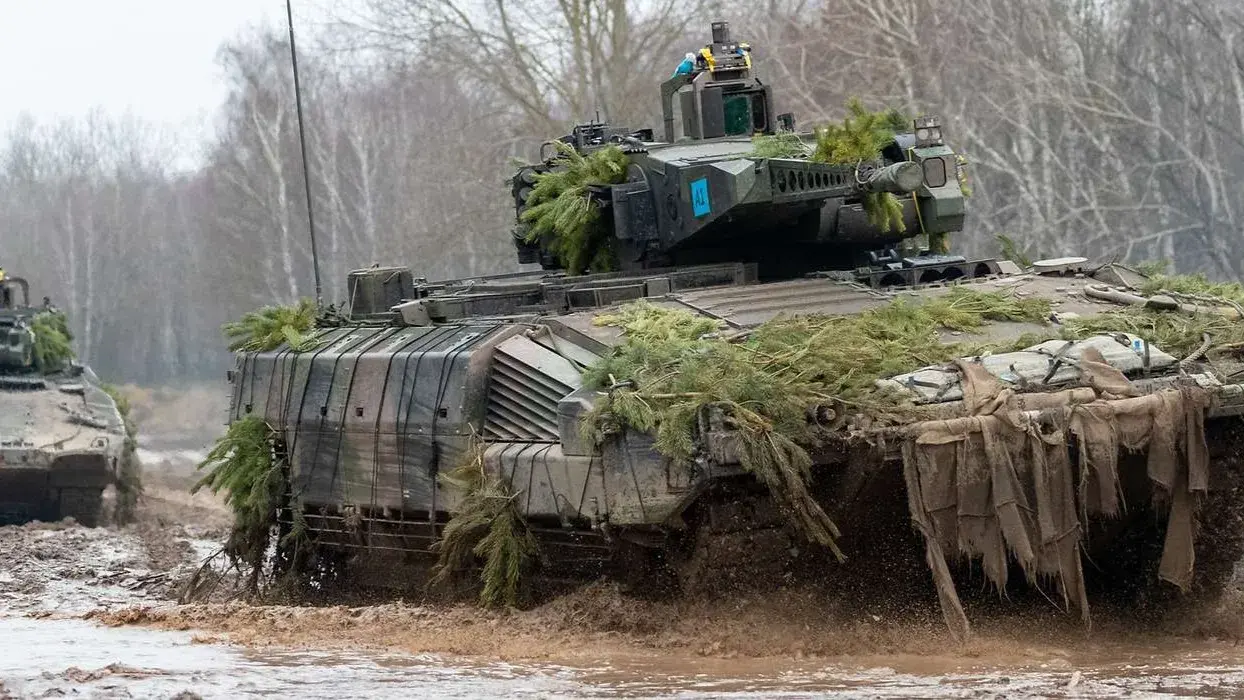
The much-anticipated upgrades to the German army's Puma infantry fighting vehicle (IFV) are set to be delayed due to software problems, as announced by the Ministry of Defence. Initially, the Bundeswehr had planned to accept an initial batch of upgraded Pumas—15 units—by the end of 2023. However, issues with the vehicles' software are now expected to extend the timeline until late February, according to defense officials.
The Puma IFVs were designed to propel Germany's ground forces into the digital battlefield, but their development and modernization have faced prolonged delays. Serving as the replacement for the aging Marder IFVs, the Puma boasts advanced features, including superior protection and a high power-to-weight ratio. Production of the first batch of 350 Pumas began in 2010 and was completed in August 2021, with the goal of achieving full operational readiness by 2024.
Setbacks and continued investment
Germany's leading military vehicle manufacturers, Krauss-Maffei Wegmann (KMW) and Rheinmetall, secured a major contract to produce an additional fifty Puma infantry fighting vehicles (IFVs) in May 2023. The total value of the contract, including value-added tax, stands at €1.087 billion. KMW and Rheinmetall Landsysteme GmbH, acting as subcontractors, received €574 million and €501 million, respectively, for their contributions to the project.
The Puma IFV, known for its advanced capabilities and modern design, is a key component of Germany's military fleet. This contract underscores the nation's commitment to maintaining a cutting-edge and technologically advanced military force. The joint effort between KMW and Rheinmetall reflects the synergy between top-tier defense manufacturers, ensuring the delivery of state-of-the-art infantry fighting vehicles to enhance Germany's defense capabilities.
Advertisement

Despite encountering challenges, such as 18 Pumas breaking down during an exercise a year ago, the German government has maintained its commitment to the program. The Puma's promise of significant capability improvement over the decades-old Marder fleet has led to ongoing investments, with lawmakers approving the purchase of 50 new vehicles for over $1 billion in May.
Impact of delay on core testing and training
The ongoing upgrades to the existing 350-strong Puma fleet involve the integration of the latest digital advancements, including improved driver situational awareness, missile capability, and networking features. This modernization effort is crucial for aligning with NATO commitments and fulfilling Germany's role in maintaining a troop presence in Lithuania. The German Ministry of Defence assures that the delay of at least two months is unlikely to affect core testing and training activities planned for the modernized Pumas.
Advertisement
These events play a pivotal role in meeting commitments to allies and aligning with NATO objectives. Defense officials envision deploying Pumas in Lithuania and incorporating them into Berlin's future troop contributions to NATO. While setbacks in the Puma's timeline are acknowledged, the German military remains committed to overcoming challenges and ensuring the successful integration of these advanced IFVs into its operational capabilities.