
Updated 10 December 2023 at 15:55 IST
US Air Force's A-10s to retire, F-22As to stay in compromise-driven 2024 defence policy
The final draft of the 2024 Defense Bill reveals the USAF's plan to retire older F-15 Eagles and A-10 Warthogs, while delaying the phasing out of some F-22As.
- Defence News
- 3 min read

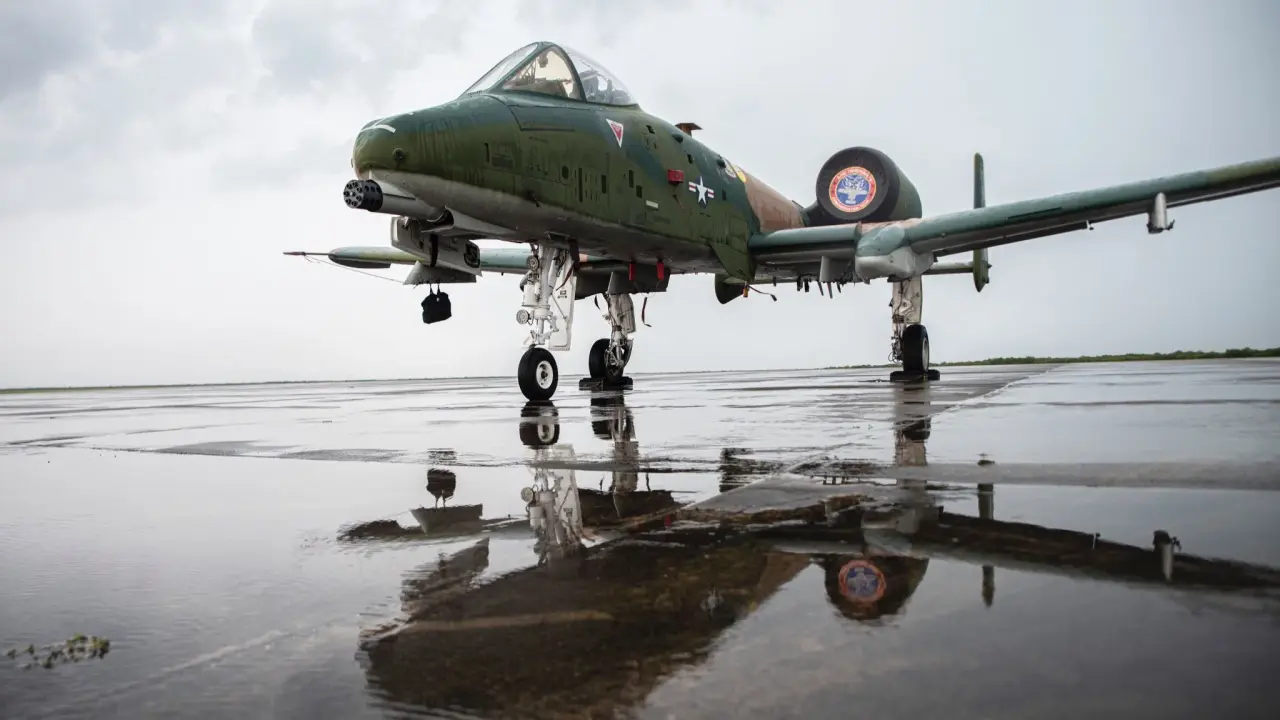
The US Air Force is on the cusp of retiring older F-15 Eagle fighters and A-10 Warthogs, as per the final draft of the 2024 Defense Policy Bill released on December 7. The compromise between Congress and the Air Force will see the retirement of 42 A-10 aircraft, with a temporary reduction in the total number of required fighter aircraft from 1,145 to 1,112.
The 2024 National Defense Authorization Act (NDAA) authorizes a defense budget of $886 billion after weeks of negotiations. As part of its fiscal 2024 budget, the USAF proposed mothballing 310 aircraft, including 42 A-10 Warthogs, to allocate more funds for modernization programs.
F-22A Raptor retirement delayed
While the retirement of F-15s and A-10s is imminent, the phasing out of 32 older F-22A Raptor fighter jets has been delayed. The US Congress agreed on a compromise, allowing the retirement of A-10s and temporarily reducing fighter aircraft requirements. The USAF has long advocated for retiring A-10s, citing significant operating cost savings.

However, Congress, concerned about technical delays and cost overruns in the F-35 program, repeatedly vetoed retiring the A-10s. The compromise draft of the NDAA doubles the number of A-10 retirements to 42, bringing the total down to 218.
Advertisement
Lawmakers have suggested sending phased-out A-10s to Ukraine, although a decision from the Department of Defense is pending. The NDAA requires the USAF to report to Congress on how it will handle close air support, combat search and rescue, and other missions currently carried out by the A-10 before further retirements.
Other defense budget highlights
The NDAA prohibits the retirement of RQ-4 Global Hawk unmanned aerial vehicles until the end of 2028 and limits reductions in the fleet below 10 aircraft. It also delays the retirement of T-1A training aircraft and E-3 Airborne Warning and Control System (AWACS) aircraft, pending certification and submission of a plan for maintaining mission readiness.
Advertisement
The USAF plans to allocate funds to the B-21 Raider stealth bomber, the Sentinel next-generation nuclear missile, and drone wingmen projects. Congress has expressed interest in the Collaborative Combat Aircraft drone wingmen project and seeks information on the Next Generation Air Dominance future fighter platform.
The NDAA for the 2024 fiscal year authorizes a 5.2 percent pay increase for service members, addresses competition with China, and includes programs for Taiwan’s military forces. The bill fully authorizes the AUKUS agreement, establishes a new nuclear mission for Virginia-class submarines, and maintains 28,500 US troops in South Korea. Additionally, it approves procurement from Israel for missile defense systems and calls for the development of an integrated air and missile defense architecture in the Indo-Pacific Command's area of responsibility. The bill awaits final passage before reaching the President's desk.
Published By : Yuvraj Tyagi
Published On: 10 December 2023 at 07:53 IST