
‘Even in Loss, We Serve’: Army Havildar’s Son Lives On Through Organ Donation, Story Moves India
In an extraordinary act of selflessness, Havildar Naresh Kumar of the Indian Army donated his son’s organs after he was declared brain dead on Feb 16, 2025.
- Defence News
- 4 min read

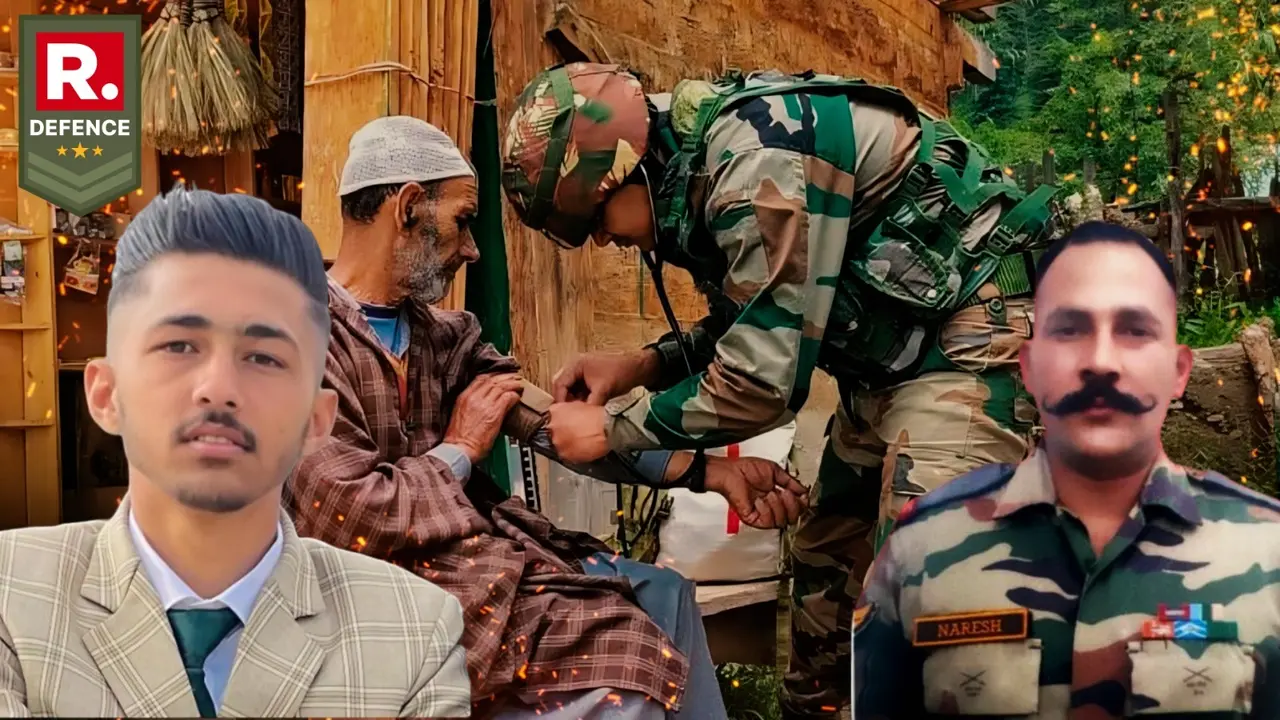
New Delhi, India - In a moment of unimaginable grief, Havildar Naresh Kumar, a serving Non-Commissioned Officer (NCO) of the 10th Battalion of the MAHAR Regiment, chose duty over despair. His 18-year-old son, Arshdeep Singh, had just lost his battle for life after suffering critical injuries in a road accident. Most parents would have been paralyzed by sorrow—but Havildar Kumar did what soldiers do best: he put the nation before himself. He donated his son’s organs, ensuring six critically ill patients got a second chance at life.
It was February 16, 2025—a day that would mark not just loss, but an act of extraordinary courage. As doctors confirmed Arshdeep’s brain death, Kumar had a choice: hold on to the tragedy or turn it into hope for others. He chose the latter. Without hesitation, he agreed to donate Arshdeep’s liver, kidneys, pancreas, and corneas, making sure his son’s legacy lived on in the lives he saved.
A Soldier’s Legacy Lives On
The Indian Army doesn’t just fight wars—it saves lives. Havildar Naresh Kumar’s selflessness wasn’t just about organ donation; it was about embodying the Army’s core values. Every soldier is trained to put the nation, the mission, and the welfare of others above themselves. Kumar’s decision proved that even in personal loss, an Indian soldier thinks of others first.

The logistics were set in motion immediately. A green corridor was created to transport Arshdeep’s organs to the hospitals where they would bring hope. The youngster's liver and kidneys were flown to the Army Hospital Research and Referral (R&R) in New Delhi, where they were successfully transplanted into military personnel and civilians. Meanwhile, the pancreas was given to a patient battling Type 1 Diabetes and Chronic Kidney Disease at PGIMER Chandigarh. Arshdeep's cornea has been preserved to restore sight to visually impaired patients.
Advertisement
The life-saving effort was carried out with surgical precision by the Command Hospital, Chandimandir, a premier institution known for its expertise in organ retrieval and transplants.
‘Service Before Self’: The Indian Army’s DNA
Havildar Kumar’s sacrifice is not an isolated incident. The Indian Army has always stood as a pillar of selflessness, where personal losses take a backseat to the larger mission. The Army’s motto—‘Service Before Self’—isn’t just words; it’s a way of life. Soldiers live and die by it.
Advertisement
The phrase stems from the ancient Hindu scripture, the Mundaka Upanishad, and was adopted as the Army’s guiding principle in 1950. It’s more than just a motto—it’s a creed that every Indian soldier follows, whether in battle, disaster relief, or personal tragedy.
Havildar Kumar’s act also echoes the Chetwode Motto, engraved in the hearts of all officers at the Indian Military Academy:
“The safety, honour, and welfare of your country come first, always and every time.
The honour, welfare, and comfort of the men you command come next.
Your own ease, comfort, and safety come last, always and every time.”
His decision to donate his son’s organs reflects the same ethos. In his moment of personal grief, he didn’t think of himself. He thought of the six people who would get a second chance at life.
A Call to Action: Organ Donation as the Ultimate Sacrifice
Havildar Kumar’s selflessness serves as a powerful reminder of the transformative power of organ donation. India faces a severe shortage of organ donors, and this story shines a light on why more people should step forward. If a grieving father—a soldier who has already given so much to the nation—can make such a decision in his darkest hour, what stops the rest of us?
This is what it means to be a soldier of India—not just to fight for the country, but to protect, serve, and even in death, give life to others. Havildar Naresh Kumar has set an example that will inspire not just the Army, but an entire nation.
In Moments of Loss, a Soldier Stands Tall
Even in his deepest sorrow, Havildar Kumar proved that being a soldier is not just about wearing the uniform—it’s about embodying the values it represents. His story is not just about one father’s loss; it is about the spirit of the Indian Army—where duty, sacrifice, and selflessness always come first.
His son may be gone, but Arshdeep Singh’s heart still beats on—inside six others, thanks to the courage of a father who chose to honour his son’s memory the way only a soldier can.