
Arunachal Pradesh collaborates with THDCIL for a Rs 13,000 crore project in Lohit Basin
Earlier in the year, Arunachal Pradesh had entered agreements with three central PSUs—NHPC, SJVN, and NEEPCO—to embark on 12 hydropower ventures.
- Economy News
- 2 min read

;'%3e%3cpath%20d='m8,15.99c4.41,0,7.99-3.58,7.99-7.99S12.41,0,8,0,0,3.59,0,8s3.58,7.99,7.99,7.99Z'%20style='stroke:%23fff;%20stroke-miterlimit:10;%20stroke-width:.02px;'/%3e%3cpath%20d='m3.08,3.37l3.82,5.11-3.84,4.15h.87l3.37-3.64,2.72,3.64h2.94l-4.04-5.39,3.58-3.87h-.86l-3.1,3.35-2.5-3.35h-2.94Zm1.27.64h1.35l5.97,7.99h-1.35l-5.97-7.99Z'%20style='fill:%23fff;'/%3e%3c/g%3e%3c/svg%3e)


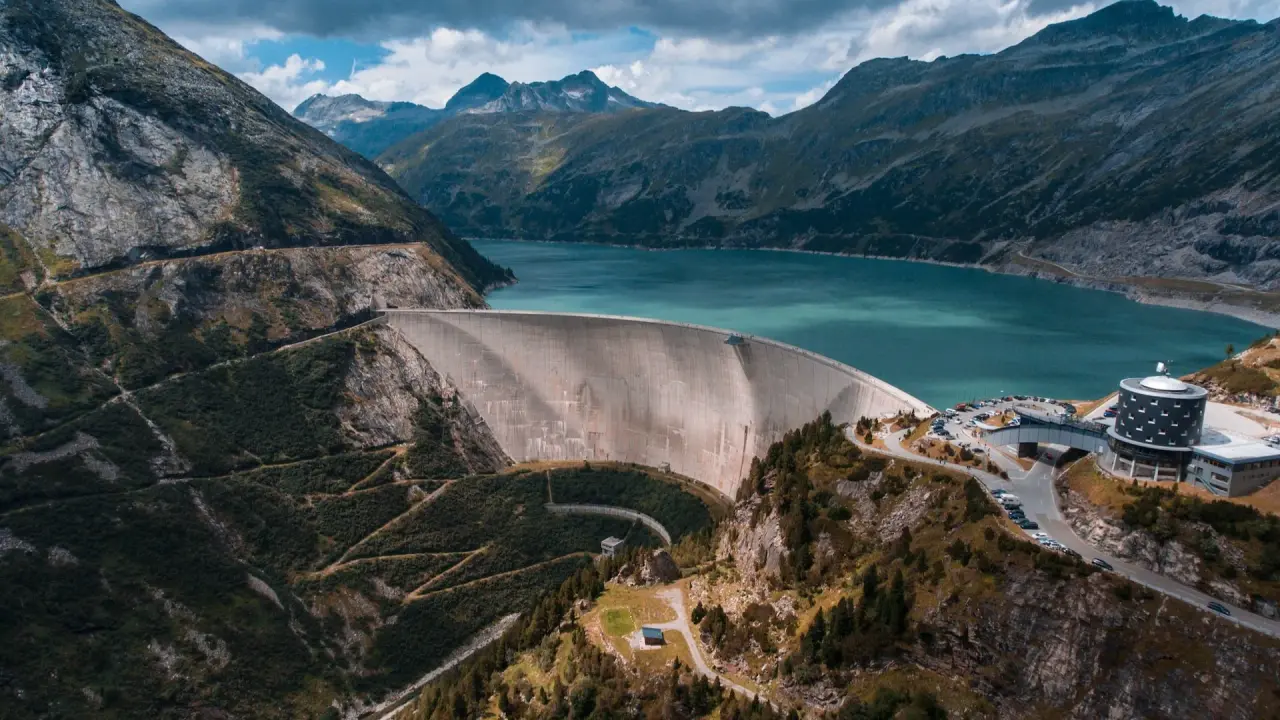
The Arunachal Pradesh administration finalised an agreement with Tehri Hydropower Development Corporation India Ltd (THDCIL) to advance the Kalai-II hydroelectric project, slated to produce 1,200 MW, within the Lohit river basin. The deal, valued at Rs 13,000 crore, was formalised with the signing ceremony attended by Chief Secretary Dharmendra, State Hydropower Commissioner Ankur Garg, and THDCIL's Director (Technical) Bhupender Gupta.
Earlier in the year, Arunachal Pradesh had entered agreements with three central Public Sector Undertakings (PSUs)—NHPC, SJVN, and NEEPCO—to embark on 12 hydropower ventures, encompassing the Subansiri, Dibang, and Siang basins. The addition of the Kalai-II project has expanded the state's collaborative ventures to 13, culminating in a cumulative capacity of 12,717 MW for the calendar year.
Marking THDCIL's inaugural project in the state, Commissioner Garg highlighted that the venture is anticipated to inject over Rs 13,000 crore into Arunachal Pradesh during its construction phase. Post-completion, the hydroelectric facility is projected to contribute more than Rs 300 crore annually through free power supply to the state.
Deputy Chief Minister Chowna Mein underscored the transformative impact of the project on the Lohit basin's socio-economic landscape, emphasising the state's 26 per cent equity stake. Mein, who oversees the power and hydropower portfolios, expressed optimism about the financial returns accruing from this equity, bolstering Arunachal Pradesh's revenue streams.
Advertisement
Chief Minister Pema Khandu extended gratitude to Prime Minister Narendra Modi and Union Power Minister RK Singh for their backing in reviving the project. He reaffirmed Arunachal Pradesh's dedication to harnessing its hydropower potential to meet the nation's escalating energy demands.
Advertisement
(With PTI inputs)