
From Exam Hall To Parliament: 17-year-old Sarthak Sidhant Takes CBSE OSM Concerns To Lawmakers
Student Sarthak Sidhant appeared before the Parliamentary Standing Committee to raise concerns over CBSE's On-Screen Marking (OSM) system amid complaints of evaluation discrepancies, answer-sheet mismatches, technical glitches and transparency issues in Class 12 board results.
- Education News
- 4 min read

;'%3e%3cpath%20d='m8,15.99c4.41,0,7.99-3.58,7.99-7.99S12.41,0,8,0,0,3.59,0,8s3.58,7.99,7.99,7.99Z'%20style='stroke:%23fff;%20stroke-miterlimit:10;%20stroke-width:.02px;'/%3e%3cpath%20d='m3.08,3.37l3.82,5.11-3.84,4.15h.87l3.37-3.64,2.72,3.64h2.94l-4.04-5.39,3.58-3.87h-.86l-3.1,3.35-2.5-3.35h-2.94Zm1.27.64h1.35l5.97,7.99h-1.35l-5.97-7.99Z'%20style='fill:%23fff;'/%3e%3c/g%3e%3c/svg%3e)


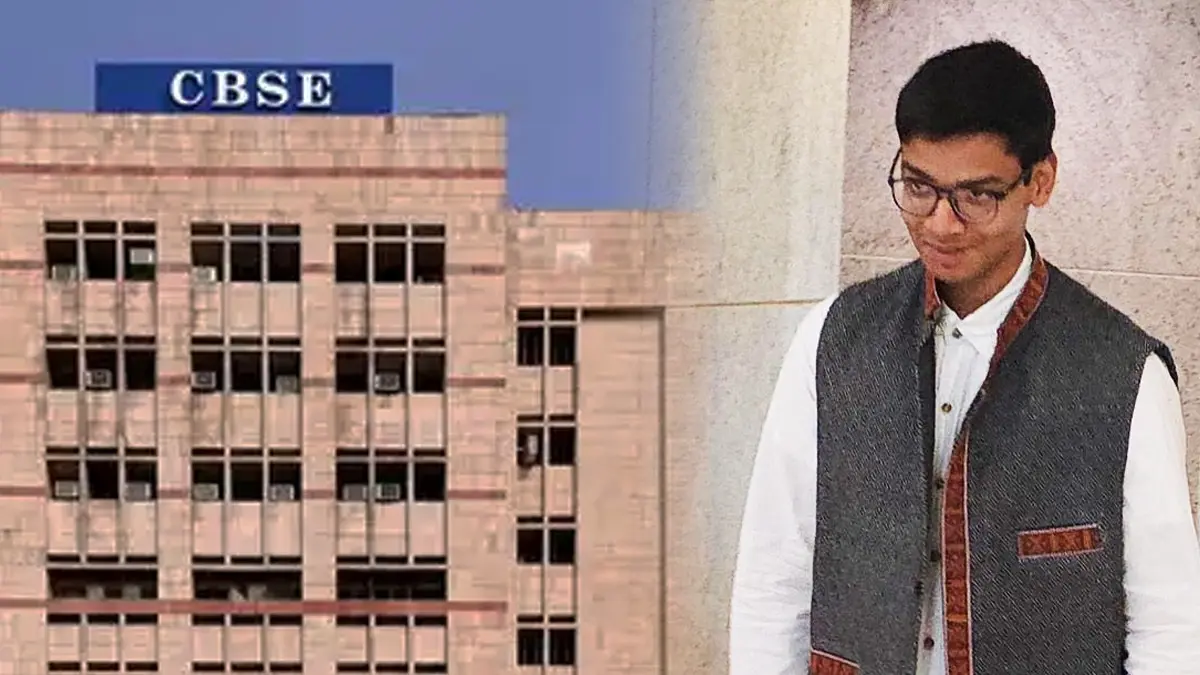
New Delhi: The controversy surrounding CBSE's On-Screen Marking (OSM) system took a major turn on Tuesday when affected student Sarthak Sidhant appeared before the Parliamentary Standing Committee on Education, Women, Children, Youth and Sports to present his concerns directly before lawmakers.
His participation is one of the most significant developments in the current discussion over the digital evaluation system, as students affected by the process now have the opportunity to share their own experiences with Parliament.
The Parliamentary Standing Committee is currently weighing the implementation of the On-Screen Marking method for the 2026 Class 12 board exams. As part of this evaluation, the panel invited officials from the Ministry of Education and CBSE to look into how the system was implemented and to hear concerns from students and parents. Sarthak Sidhant's presentation was a critical component of these proceedings, providing parliamentarians with firsthand insight into the issues raised following the release of Class 12 results.
What Concerns Is Sarthak Expected To Raise?
During his presentation, Sarthak is expected to address many issues raised by candidates following the announcement of the Class 12 results. Among the concerns likely to be raised are alleged discrepancies in examined answer scripts, answer-sheet mismatches, technical glitches, payment-related issues, and challenges faced by students while seeking verification and re-evaluation of their marks.
Advertisement
Questions about transparency in the evaluation process are also expected to come up strongly. Several students have expressed concerns regarding the accuracy of the examination and the difficulties they encountered when attempting to have their answer scripts examined after the results were released.
The committee is closely investigating these allegations as part of a broader evaluation of the digital assessment system.
Advertisement
What Is CBSE's On-Screen Marking System?
CBSE implemented the On-Screen Marking (OSM) system for Class 12 board exams in 2026 as part of its commitment to modernize the evaluation procedure. Answer books are scanned and analyzed electronically under this technique rather than physically verified.
The board projected various benefits of the new approach, including speedier evaluation, elimination of totaling errors, decreased manual involvement, and increased assessment transparency.
However, shortly after the results were released, students around the country began reporting a variety of concerns. Complaints ranged from alleged answer-sheet mismatches and portal issues to payment failures and concerns about the accuracy of evaluation. These reports quickly sparked public debate and drew the attention of policymakers.
Parliament Reviews Growing Concerns
The Standing Committee called the review meeting to look into both the operation of the OSM system and the challenges students encountered after the results were announced. Officials from CBSE and the Ministry of Education were asked to explain the system's implementation and address student and parent concerns. The study coincides with CBSE's decision to launch its Class 12 re-assessment and verification site, allowing students to request a review of their results amid ongoing concerns over the digital evaluation method.
Growing concerns led to calls for increased accountability and an independent review of the OSM system. Student groups, parents, and education experts have all urged for stronger safeguards in digital assessment systems, as well as a thorough review of the transition away from traditional evaluation techniques. Many have emphasized that no student should suffer due of technological or procedural flaws.
Why This Hearing Matters
As Parliament investigates the problem, the experiences offered by students like Sarthak Sidhant could help shape the committee's recommendations on the future of digital evaluation in India's school examination system. His attendance before the legislative panel highlights the gravity of the concerns voiced about the On-Screen Marking system.
With lawmakers, education authorities, and affected kids now in direct contact, the assessment process will evaluate whether corrective measures, policy adjustments, or broader reforms are required to restore trust in the country's main school examination board. For thousands of Class 12 students, the conclusion of this investigation could have long-term consequences for the integrity, transparency, and fairness of future board examinations.