
Updated 31 March 2022 at 17:17 IST
What is aphasia? Brain disorder that 'Die Hard' actor Bruce Willis is suffering from
Hollywood actor Bruce Willis has stepped away from acting as he is suffering from a medical condition, Aphasia. Here is all you need to know about aphasia.
- Entertainment News
- 2 min read

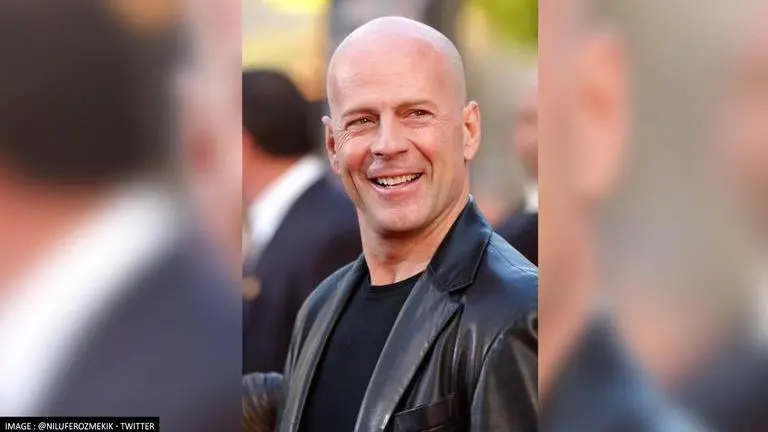
Hollywood actor Bruce Willis' family took to social media and announced that the 67-year-old actor will be stepping away from his acting career. The Pulp Fiction actor has been diagnosed with a medical condition called Aphasia, a brain disorder.
Here is all you need to know about the medical condition the Die Hard star is diagnosed with.
What is Aphasia?
Aphasia is a language disorder mainly caused by damage in a specific area of the brain that controls language expression and comprehension. This medical condition enables a person to communicate effectively with others. Aphasia can occur suddenly after a stroke or head injury or it develops slowly from a growing brain tumour or disease. The disease affects a person's ability to express and understand written and spoken language. Once the underlying cause is treated, the main treatment for aphasia is speech therapy.
For example, a person diagnosed with Aphasia may not be able to ask a loved one when their birthday is, they may still be able to sing "Happy Birthday". Anomia is one prevalent deficit in the aphasias, which is difficulty in finding the correct word. So, the use of formulaic expressions in everyday communication is often preserved.
Advertisement
Signs and symptoms
Self-repairs: Further disruptions in fluent speech as a result of mis-attempts to repair erred speech production.
Speech disfluencies: Include previously mentioned disfluencies including repetitions and prolongations at the phonemic, syllable and word levels presenting in pathological/severe levels of frequency.
Advertisement
Struggle in non-fluent aphasias: Rise in expelled effort to speak after a life where communicating was an ability that came so easily can cause visible frustration.
Preserved and automatic language: A behaviour in which some language or language sequences that were used so frequently before onset are still produced with more ease than other languages post-onset.
Poor eyesight (Oral Dysmorphia): Characterised by tingling in the arms and legs, and sometimes heart disorders.
Treatment
As per recommendations, Aphasia is usually treated by speech and language therapy.
Sometimes, it improves on its own without any treatment. This treatment is carried out by a speech and language therapist (SLT). If you were admitted to the hospital, there should be a speech and language therapy team there.
(Image: @NiluferOzmekik/Twitter)
Published By : Swati Singh
Published On: 31 March 2022 at 17:17 IST