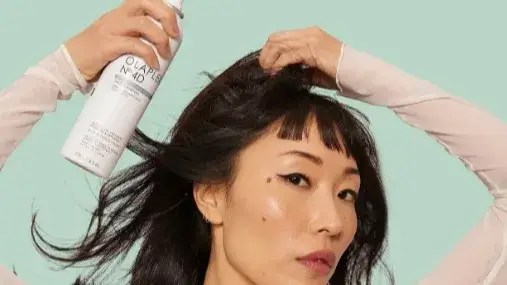
Dry shampoo can refresh hair between repetitive washes and adds texture. Dry shampoo works with alcohol, starch, or powder to absorb oil.
Image: Pinterest
2/7
|
|
Tea tree oil can help with oily scalps because it balances the scalp's natural oil production. It also has antibacterial and anti-fungal properties, which can help with dandruff and dry scalp.
Image: X
Advertisement
3/7
|
|
Stay away from heat tools. You may avoid heat-styling on too-greasy hair that can encourage more damage and “hot spots”—just like grease on a pan. Make sure hair has an even coat of moisture. Image: freepik
4/7
|
|
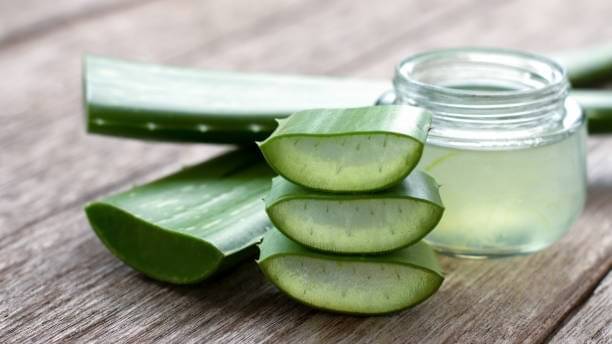
Aloe vera can break down sebum, a natural oil, and reduce excess oil on the scalp. This may help maintain the scalp's oil balance.
Image: Unsplash
Advertisement
5/7
|
|
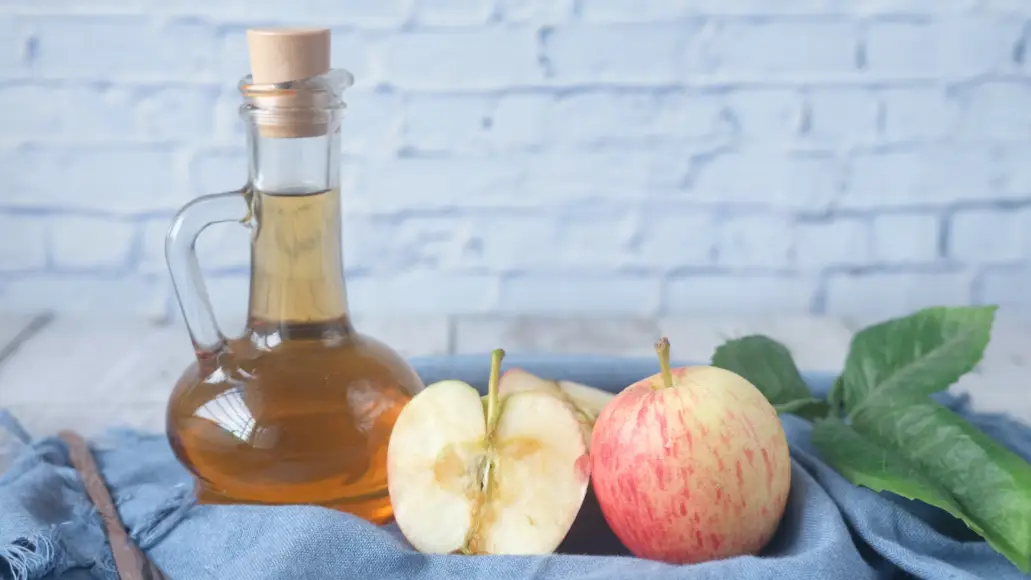
Apple Cider vinegar is suitable for anyone who has fine, limp, lifeless hair that tends to get oily.
Image: Unsplash
6/7
|
|
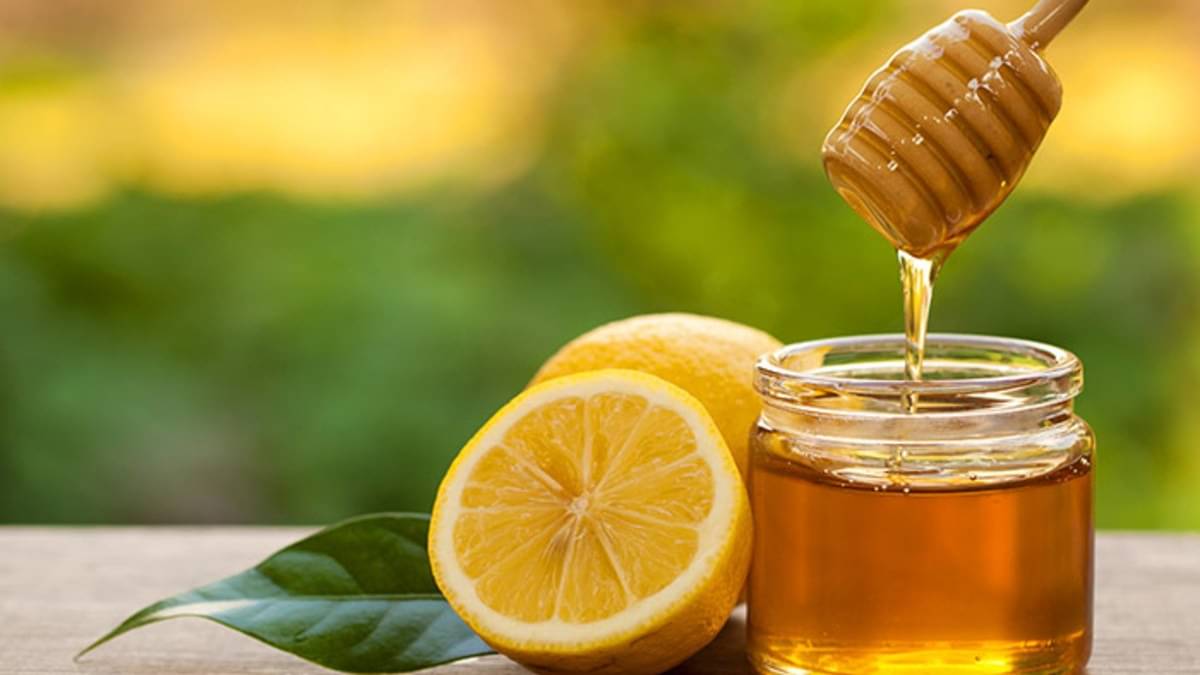
Lemon juice is acidic, that can remove excess oil and product buildup. It also contains citric acid, which can help with sticky hair and bacterial infections.
Image: Unsplash
7/7
|
|
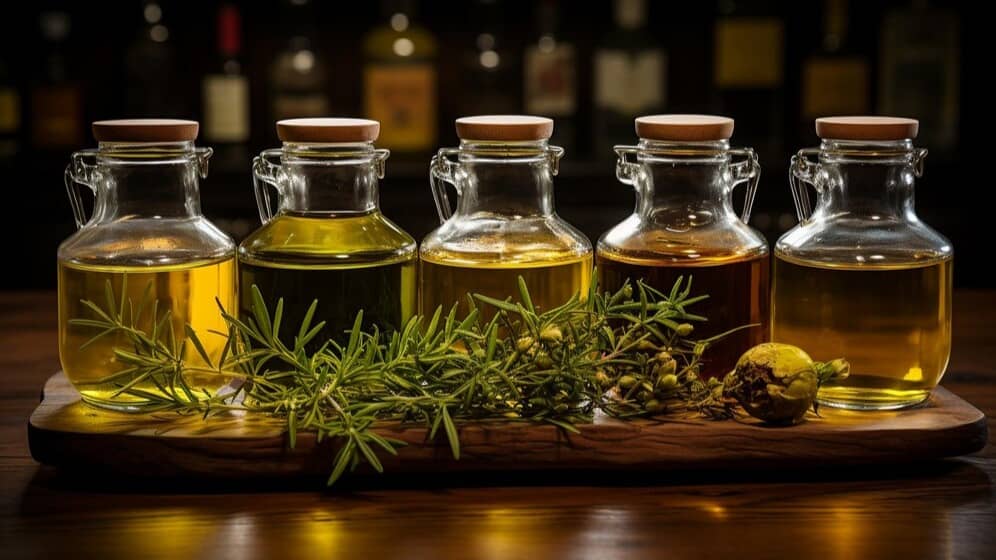
Rosemary oil has antifungal, astringent and decongesting qualities to reduce the excess of oils and buildup. You may mix one of part rosemary oil with three parts of carrier oil. Image: Freepik