
'Not all transgender persons are OBCs'; Community seeks horizontal quotas in employment
Earlier in 2014, a judgement was passed by the Supreme Court for recognising the rights of the trans followed by the 2020 decision to include them among OBC.
- India News
- 3 min read

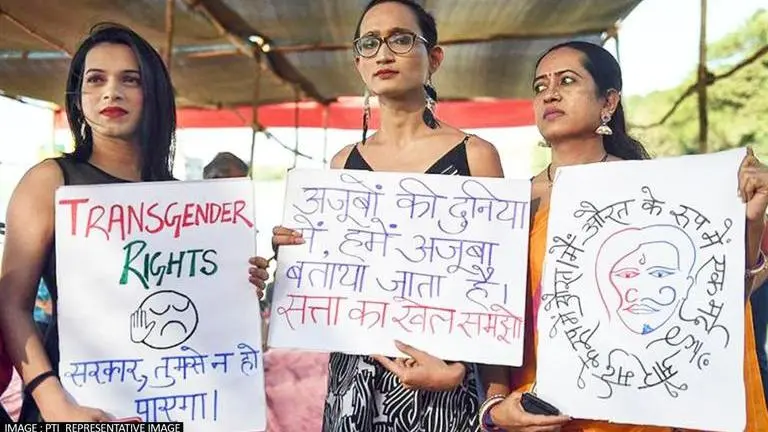
Almost a year after taking the decision to provide representation and reservation to transgenders in the job and education sectors, a Cabinet note has been moved by the Central Government which asserts to include transgenders in the category of Other Backward Classes (OBCs). As per that decree, this will provide them with reservations in higher education and government jobs. Thereafter, the OBC category which has 27% reservation in the country will now include transgenders who will compete with the other OBCs for quota in education and jobs.
As a result of this note, several sections of society have spoken in support of it whereas some others from the trans community have criticized the decision stating that it will not do justice to them. According to reports, people from the trans community have criticised the note stating that it is a 'blanket OBC categorisation' and will not help them to a great extent. According to the News Minute, Grace Banu, a social rights activist for transgenders said that this is an eyewash in the name of reservation. It has disappointed the trans people from the Dalit, Bahujan, and Adivasi communities. Only the people from upper castes are celebrating it.
Speaking on the demand of the trans community, she said that the community has always demanded horizontal reservation which will help to provide an identity among others.
On the other hand, activist Gee Imaan Semmalar in a series of tweets said that this reservation will provide an undue advantage to people. According to him, transgenders are from diverse classes and backgrounds and they have been demanding horizontal reservation. However, this blanket OBC category will provide them with caste privilege and undue advantages.
Advertisement
@livingsmile thank you for all the conversations, the street protests in Tamil Nadu etc which helped me to articulate the politics I am quoted on here. @thirunangai sudha from TN is also opposing although she says there is no caste among us. Uc trans people are opposing acc to my https://t.co/uEh3zkP9yB
— Gee Semmalar (@geesemmalar) September 28, 2021
Meanwhile, several people from the trans community took to the streets in Tamil Nadu to protest against the Cabinet note.
Supreme Court decision on rights of transgender people
Earlier in 2014, a judgement was passed by the Supreme Court of India for recognising the rights of the trans community and ensuring all of their fundamental rights in the Indian constitution.
Advertisement
The decision came after the 2014 SC order in the Nalsa vs Union of India case after which it was directed to the central and state governments to take necessary steps for providing an equal environment for transgenders and extend all kinds of reservations to them as well.
Six years after this decision, finally, in 2020 the Centre started discussions for implementing these and further introduce a reservation system for the trans people in educational institutions. It was also said that this was to be done through the OBC route which means including them into the OBC categories.