
Updated 15 March 2023 at 21:01 IST
Indian Railways to be Net Zero Carbon Emitter by 2030; many steps taken: Ashwini Vaishnaw
Indian Railways is also planning to procure renewable energy from diverse power procurement modes for its future energy requirements.
- India News
- 2 min read

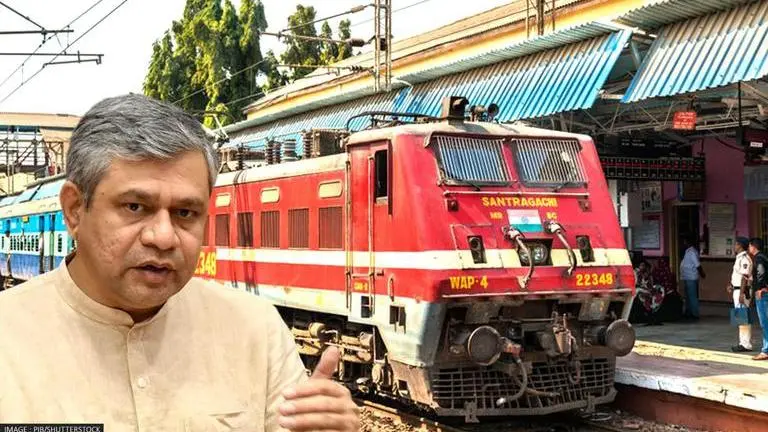
The Indian Railways on Wednesday said that it has decided to reduce its carbon footprint and will become a Net Zero Carbon emitter by 2030. To reach the zero carbon emission goal, the railway has taken several initiatives including the use of energy-efficient technologies like completely switching over to the production of three-phase electric locomotives with regenerative features, use of LED lights in buildings and coaches, use of head-on generation (HOG) technology, star rated appliances and afforestation.
Ashwini Vaishnaw, the Railway Minister of India, in a written reply in Lok Sabha, said that key strategies have been identified for achieving Net Zero Carbon emission are shifting from diesel to electric traction, procurement of power through renewable energy sources, promotion of energy efficiency and afforestation.
.@RailMinIndia to become Net Zero Carbon Emitter by 2030
— PIB India (@PIB_India) March 15, 2023
Indian Railways has taken a number of initiatives to reduce its carbon emissions
Read here: https://t.co/fhtYwLfADN #ParliamentQuestion
Indian Railways to become Net Zero Carbon Emitter by 2030
"The projected energy demand of Indian Railways in 2029-30 is expected to be about 8,200 Mega Watt (MW). To achieve Net Zero Carbon Emission, expected requirement of renewable capacity by 2029-30 would be about 30,000 MW. As of February 2023, about 147 MW of solar plants (both on Rooftops and on land) and about 103 MW of Wind power plants have been commissioned," Vaishnaw said, adding that about 2150 ME of renewable capacity has been tied up.
Furthermore, Railways is also planning to procure renewable energy from diverse power procurement modes for its future energy requirements.
Advertisement
Notably, after the completion of electrification in Uttar Pradesh, Indian Railways recently completed the electrification of the existing Broad Gauge network (347 route km) in Uttarakhand.
It will result in "saving on account of reduced line haul cost (about 2.5 times lower), heavier haulage capacity, increased sectional capacity, reduced operating & maintenance cost of the electric loco, energy-efficient and eco-friendly mode of transportation with reduced dependence on imported crude oil, saving of foreign exchange," Indian Railways said in a press note.
Advertisement
Published By : Kamal Joshi
Published On: 15 March 2023 at 21:01 IST