
India's Chandrayaan-3 captures stunning photos of Moon ahead of landing; take a look
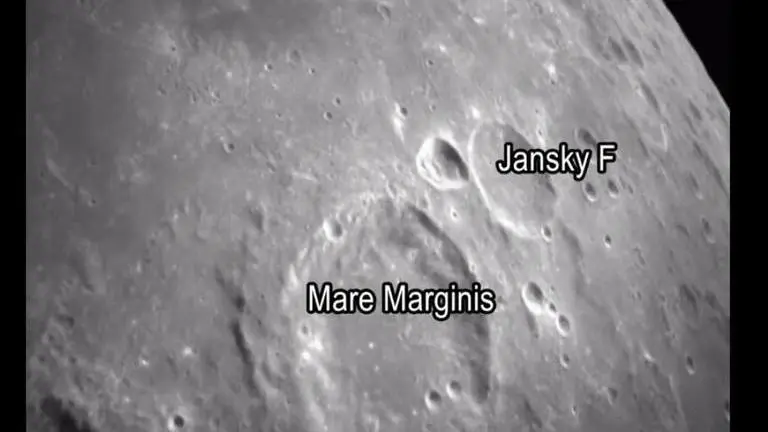
Images of the shadowed lunar terrain were clicked by Chandrayaan-3's Lander Hazard Detection and Avoidance Camera (LHDAC).
- India News
- 3 min read

As India braces for the historic 'soft-landing' of Chandrayaan-3 Vikram lander on the never-previously-explored Moon's South Pole on August 23, the probe has reflected back some astonishing visuals as it heads to the region where no one has set foot before. Indian Space Research Organisation (ISRO) has shared images from the Moon's far side, the permanently shadowed region where the Sun hovers below the horizon.
Moon's dark side has long fascinated scientists for the couple of decades, where the largest and oldest impact basin, the South Pole Aitken (SPA) exists. The region is abundant in silicic volcanic fragments and hot spots of radioactive thorium located on the farside craters of Belkovich and Compton.
Chandrayaan-3 Mission:
— ISRO (@isro) August 21, 2023
Here are the images of
Lunar far side area
captured by the
Lander Hazard Detection and Avoidance Camera (LHDAC).
This camera that assists in locating a safe landing area -- without boulders or deep trenches -- during the descent is developed by ISRO… pic.twitter.com/rwWhrNFhHB
Chandrayaan-3 Mission:
— ISRO (@isro) August 22, 2023
The mission is on schedule.
Systems are undergoing regular checks.
Smooth sailing is continuing.
The Mission Operations Complex (MOX) is buzzed with energy & excitement!
The live telecast of the landing operations at MOX/ISTRAC begins at 17:20 Hrs. IST… pic.twitter.com/Ucfg9HAvrY
Dozens of crates including Fabry and Giordano Bruno captured during probe's flyby
Images of the shadowed lunar terrain were clicked by Chandrayaan-3's Lander Hazard Detection and Avoidance Camera (LHDAC). Manufactured by ISRO's Space Applications Centre (SAC), the camera assists in identifying that the lunar landing site is free of any obstacles such as the boulders or deep trenches during the historic descent. The breathtaking visuals depict a range of geological features such as the impact craters that cast varying degrees of shadows. Some of the images were captured as the Vikram lander separated from the propulsion module.
.... and
— ISRO (@isro) August 22, 2023
The moon as captured by the
Lander Imager Camera 4
on August 20, 2023.#Chandrayaan_3 #Ch3 pic.twitter.com/yPejjLdOSS
A 31-second video that compiles all the pictures shows dozens of crates -- including Fabry and Giordano Bruno -- that lie below the probe as it speeds toward the surface of the moon. Such images are taken by the LHDAC for reconnaissance to investigate the landing site before the touchdown.
Advertisement
Lunar South Pole's shadowed craters have extreme temperatures of -414 degrees Fahrenheit (-248 Celsius) and it is challenging for even the advanced sensors to analyse what the actual lunar ground looks like due to the terrain and lighting conditions. The samples from these crates narrate a 4.5-billion-year testimony about the formation of the solar system, but more interestingly, these crates may be harbouring unexplored ice deposits.