
Lakshmana Theertha: A mythical source in Mysore's Brahmagiri Hill to quench Lord Rama’s thirst
In the scenic Brahmagiri hill in Karnataka's Mysore, a significant site named Lakshmana Theertha holds a deep connection with the epic of Lord Ram.
- India News
- 2 min read

;'%3e%3cpath%20d='m8,15.99c4.41,0,7.99-3.58,7.99-7.99S12.41,0,8,0,0,3.59,0,8s3.58,7.99,7.99,7.99Z'%20style='stroke:%23fff;%20stroke-miterlimit:10;%20stroke-width:.02px;'/%3e%3cpath%20d='m3.08,3.37l3.82,5.11-3.84,4.15h.87l3.37-3.64,2.72,3.64h2.94l-4.04-5.39,3.58-3.87h-.86l-3.1,3.35-2.5-3.35h-2.94Zm1.27.64h1.35l5.97,7.99h-1.35l-5.97-7.99Z'%20style='fill:%23fff;'/%3e%3c/g%3e%3c/svg%3e)


Ayodhya: As the date for the consecration ceremony of the Ram Temple in Ayodhya approaches, the statue crafted by the acclaimed sculptor Arun Yogiraj from Karnataka has been officially selected for the Ram Temple in Ayodhya. This decision not only underscores Yogiraj's devotion to Lord Ram but also highlights Karnataka's profound connection with the revered deity.
Arun Yogiraj's artistic creation stands as a testament to his service for Lord Ram on behalf of Karnataka, adding a unique touch to the grandeur of the upcoming temple.
Karnataka’s association with Ram beyond artistic contribution
However, Karnataka's association with Lord Ram and his legends extends beyond this artistic contribution.
Lakshmana Theertha’s connection with Lord Ram
In the scenic Brahmagiri hill in Karnataka's Mysore, a significant site named Lakshmana Theertha holds a deep connection with the epic of Lord Ram.
Advertisement
Legend has it that during the search for Sita after her abduction by Ravana, Rama and Lakshmana ventured to Brahmagiri. Faced with Rama's thirst, Lakshmana skillfully shot an arrow at the hill, creating a source of water known as Lakshmana Tirtha.
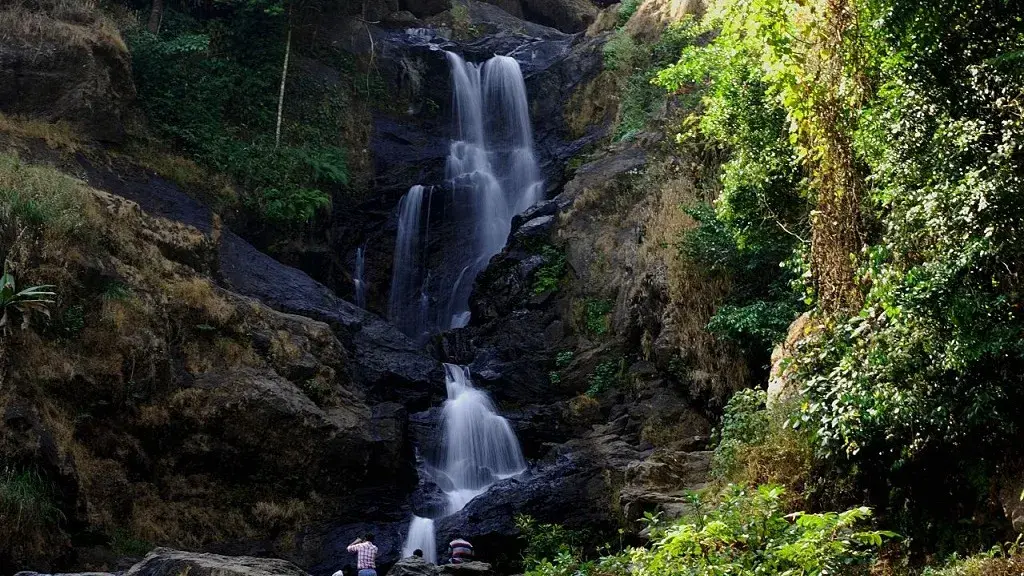
The river Lakshmana Theertha originates in the Brahmagiri hills of Kodagu and gracefully joins the Kaveri river near Hunsur in Mysore district. This river transforms into the mesmerizing Irpu waterfall, continuing to attract tourists with its natural beauty.
Advertisement
As Karnataka's connection with Lord Ram intertwines with both artistic and natural elements, the chosen statue for the Ayodhya Ram Temple by Arun Yogiraj symbolizes a harmonious blend of devotion and craftsmanship.
The upcoming consecration ceremony promises to be a celebration of faith, culture, and artistic brilliance.