
Updated 9 August 2023 at 10:33 IST
Quit India movement: 7 things you need to know about August Kranti Din
India commemorates the 81st anniversary of the Quit India Movement, also known as the August Kranti Din, on August 9 this year.
- India News
- 2 min read

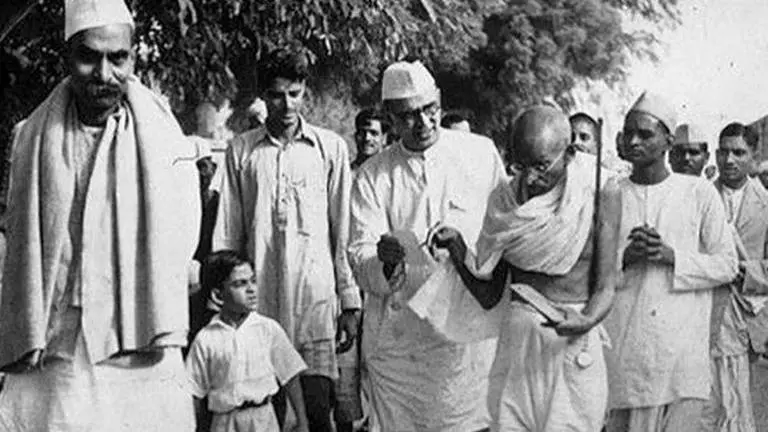
India commemorates the 81st anniversary of the Quit India Movement, also known as the August Kranti Din, on August 9 this year. With the demand to end British rule in the country, the movement was launched at the Bombay session of the All India Congress Committee (AICC) by Mahatma Gandhi on August 8, 1942.
A day later, on August 9, the movement kickstarted and since then, we celebrate the day by paying homage to freedom fighters with multiple other national events. In India’s freedom movement, the Quit India Movement is considered one of the most crucial events.
While addressing a public meeting at Bombay’s Gowalia Tank Maidan, Mahatma Gandhi attached the ‘Do or die’ slogan to the movement. He demanded the end of British rule and the complete restoration of India’s freedom. The movement was a consequence of the British making India a part of World War II.
Quit India Movement: 7 Things to know
- Launched at the Bombay session of the AICC on August 9, 1942, the Quit India Movement or August Kranti Din was to end British rule in India.
- Mahatma Gandhi raised the slogan ‘Do or die’ in his Quit India Movement after the British failed to secure India’s cooperation with Britain in World War II. Then Viceroy Linlithgow claimed the Quit India Movement to be ‘by far the most serious rebellion since 1857.’
- Soon after the movement gathered pace, multiple national leaders including Mahatma Gandhi, Abdul Kalam Azad, Jawaharlal Nehru and Sardar Vallabhbhai Patel were arrested without trial.
- The British rule declared AICC an ‘unlawful organisation’ and raided its office across the country. Along with the arrest of leaders, a major chunk of AICC’s funds were also frozen.
- While the first half of the movement witnessed peaceful protests and processions, the second half saw violent agitations, setting fire to post offices and government premises.
- After the arrest of AICC top brass, young Aruna Asaf Ali presided over the AICC session. Despite several warnings and appeals to maintain peace, Aruna Asaf Ali hoisted the national flag in front of a huge crowd, enraged over the British rule in India.
- In the final phase, the movement witnessed bombing at government places in Mumbai. The British, however, refused to grant immediate independence. India attained full independence in 1947.
Published By : Ronit Singh
Published On: 9 August 2023 at 09:19 IST