
Updated 19 May 2024 at 12:30 IST
All You Need To Know To Reduce Hair Thinning In Men
In an exclusive discussion with Dr Deepali Bhardwaj on the topic of hair thinning. She is a leading Dermatologist, Anti Ageing & Anti Allergy specialist.
- Utility News
- 7 min read

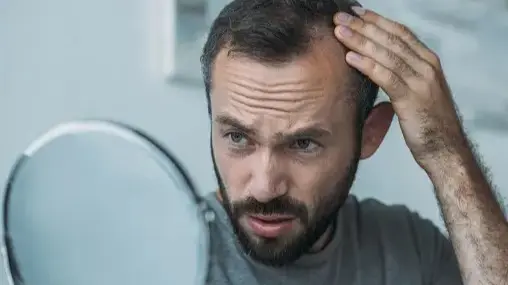
Are you tired of battling with the self-consciousness brought on by your receding hairline? Despite trying countless hair products, do you still find yourself disappointed with the results? Hair loss has long been a widespread concern in our society, once associated primarily with aging but now affecting younger individuals in their prime years. The culprits behind this phenomenon? A combination of factors including pollution, stress, pandemic-induced anxiety, work pressure, and exposure to harmful chemicals, all of which contribute to compromised hair health.
While hair loss may not inflict physical pain, its emotional toll can be profound. However, despair not, for there are solutions to this pressing issue. In the following discourse, discover valuable insights and methods that could aid you in regaining both your hair and your confidence.
First, let us understand the hair growth cycle:
Are you aware that your hair undergoes a structured growth cycle comprised of three distinct phases? Firstly, there's the anagen phase, during which your hair actively grows, sometimes lasting for several years. Particularly for men, androgens, or male hormones, expedite this phase. Following this is the catagen phase, where hair growth halts, and the hair separates from the follicle, the structure below the skin anchoring the hair. This phase typically spans about 10 days. Finally, there's the telogen phase, a resting period lasting two to three months before the hair sheds and new growth begins in the same follicle.
Hair patterns vary significantly between men and women. In females, hormones play a pivotal role in maintaining the oval shape of the hairline and reducing recession. Normally, individuals shed approximately 50 to 100 hairs per day as part of this natural cycle. However, disruptions in this cycle or damage to the hair follicles can result in accelerated hair loss, leading to symptoms such as a receding hairline, patchy hair loss, or overall thinning.
Advertisement
Causes of hair loss:
● Genetics:
Genetics play a pivotal role in the onset of hair loss, debunking the misconception that you're inevitably destined to go bald if your parents experienced it later in life. Androgenetic alopecia, commonly known as male pattern hair loss, can begin at any point post-puberty and gradually worsen over years or even decades. Individuals with a genetic predisposition to androgenetic alopecia experience the binding of dihydrotestosterone (DHT) to hair follicles, a hormone derived from testosterone by the enzyme 5-alpha reductase. This binding process leads to the miniaturization of follicles, resulting in progressively thinner and shorter hair until the follicle ceases hair production entirely. Regrettably, many men affected by this condition eventually experience baldness.
● Hormonal imbalances:
Hormonal imbalances in men can vary from minor to significant, influenced by factors such as age, environment, lifestyle, emotional state, and medical conditions. Surprisingly, hair loss can result from either insufficient levels of testosterone or an excess of estrogen. These hormonal shifts can impact various aspects of health, including hair follicle function, potentially leading to hair thinning or loss.
Advertisement
● Underlying health conditions:
Hair loss can be triggered by underlying health conditions, encompassing a range of ailments such as Telogen effluvium, Anagen effluvium, Alopecia areata, Tinea capitis, Cicatricial alopecia, Lichen planopilaris, hair shaft abnormalities, and more. These conditions affect the hair growth cycle, follicle health, or the integrity of the hair shaft, resulting in various forms of hair loss or thinning. Understanding and addressing these underlying health issues is crucial for effectively managing hair loss.

How to treat hair thinning: Do’s and Don’ts:
Natural Remedies
Have you explored the wonders of Bhringraj? This herb, derived from the sunflower family, is renowned in Ayurvedic medicine for its remarkable hair growth benefits. Some studies even suggest that extracts of Bhringraj surpass minoxidil in promoting hair regrowth!
Additionally, Chinese hibiscus is widely marketed in India for its hair growth properties. An older study conducted in 2003 on mice demonstrated positive effects on hair follicles. Furthermore, integrating Saw Palmetto into your diet might aid in hair growth with minimal side effects, though further research is needed to confirm its efficacy in humans.
Minoxidil:
Minoxidil, a popular hair growth treatment, is commonly prescribed twice daily for hair regrowth in India. However, based on my experiences and training during fellowships in Germany and Iran, I advocate for caution and advise against excessive use of minoxidil. Instead, I recommend limiting its application to no more than twice a week.
While regular use of minoxidil twice daily can yield noticeable improvements in hair growth, abruptly stopping its usage may lead to rapid hair loss. Thus, I emphasize limited usage to mitigate any potential adverse effects and maintain a balanced approach to hair care.
PRP Technique:
Platelet Rich Plasma (PRP) therapy stands as a safe and widely utilized procedure for addressing hair fall and thinning, boasting minimal adverse effects when administered correctly. The efficacy of PRP treatments hinges on various factors, including the centrifugation techniques employed and the contents of the tube utilized, alongside the expertise of the dermatologist overseeing the procedure.
Research indicates that PRP injections not only deter hair fall but also bolster the roots of thinning hair, fostering robust and healthy hair growth. This therapy offers promising results in combating hair loss and promoting hair thickness, providing individuals with a non-invasive and effective solution to their hair concerns.
Prescription pills:
Prescription pills like finasteride and dutasteride are commonly prescribed by doctors to address hair loss. It's crucial to note that these medications typically require at least three months of daily use before noticeable results appear and should only be taken under a doctor's supervision. While concerns about potential side effects, such as impotence, exist, when appropriately dosed based on weight and age, these medications are generally safe. As a precautionary measure, doctors typically limit prescriptions to no more than six months.
Steaming:
Steaming the scalp weekly can play a crucial role in combating the miniaturization of hair follicles by enhancing blood circulation to the scalp. This improved circulation nourishes the hair follicles, fostering healthier hair growth. When the scalp is exposed to steam, it effectively unclogs pores and reduces the accumulation of oils. Additionally, the heat from steam causes blood vessels to dilate, thereby increasing blood flow to the scalp. This heightened circulation facilitates the delivery of essential nutrients and oxygen to the hair follicles, ultimately stimulating the growth of new hair.
Hair Transplant:
Hair transplant procedures, while relatively straightforward and safe, require careful selection of a qualified and experienced doctor to ensure optimal results and avoid potential mishaps. When performed by a skilled practitioner on a healthy donor region, positive outcomes are highly probable. However, the market has become inundated with non-specialists offering various procedures under different names, leading to confusion among consumers.
Complicating matters further, some clinics charge exorbitant fees, ranging from 20 to 100 rupees per hair graft, making it challenging for individuals to discern reputable clinics offering value for money. The gold standard procedures for hair transplant are Follicular Unit Extraction (FUE) and Follicular Unit Transplantation (FUT). Thus, it's imperative to choose a trained dermatologist or plastic surgeon with extensive experience in hair transplants.
Moreover, it's crucial to scrutinize the doctor's portfolio by reviewing pre and post-transplant photos of at least 20 patients and speaking directly with previous clients. This enables potential patients to assess the doctor's expertise, the quality of their work, and whether they align with the patient's needs and expectations.
Adopting a balanced lifestyle that prioritizes stress reduction and minimizes exposure to chemicals, smoking, excessive hair products like gel and hair color, can significantly aid in combating hair thinning. In the initial stages, treatments such as PRP, Minoxidil applied twice a week, or other hair tonics may yield positive results, especially when accompanied by gentle massage during application.
The key lies in enhancing vascularization to boost blood flow to the scalp, a process that can be further promoted through light scalp massages, even during showers using mild shampoos. Additionally, water quality plays a crucial role in hair health. Opting for soft, chemically untreated water can ensure the best outcomes for your hair. By incorporating these practices into your routine, you can effectively address hair thinning and promote overall hair health.
Published By : SEO Desk
Published On: 16 May 2024 at 14:59 IST