
Updated 13 April 2024 at 09:41 IST
April 13: Remembering the Dark Legacy of the Jallianwala Bagh Massacre
April 13 marks the Jallianwala Bagh Massacre, a tragic event in India's history, perpetrated by British Brigadier-General Reginald Dyer.
- Utility News
- 2 min read

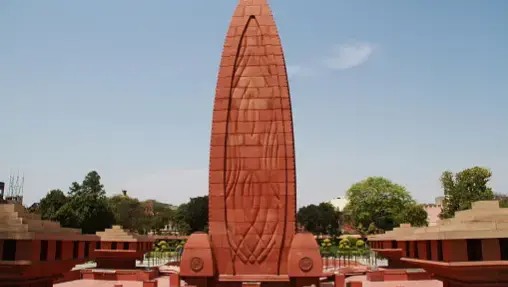
The Jallianwala Bagh Massacre is one of the most inhuman chapters of British rule over India. It’s been 105 years since the massacre happened, but the marks of this thing are still imprinted on the hearts of every Indian. People in India observe the day on April 13 every year.
What Happened?
On April 13, 1919, a tragic event unfolded in the heart of Amritsar, Punjab, leaving an indelible scar on India's struggle for independence. Known as the Jallianwala Bagh Massacre, it marked one of the darkest episodes of British colonial rule in India. The incident occurred during a peaceful gathering of thousands of Indians, primarily Sikhs, who had assembled at the Jallianwala Bagh public garden to protest against the arrest of national leaders and to demand the release of two prominent leaders, Dr. Satyapal and Dr. Saifuddin Kitchlew.
Who Did It?
The massacre was orchestrated by Brigadier-General Reginald Dyer, a British military officer who ordered his troops to open fire on the unarmed crowd without any warning or provocation. Dyer, accompanied by soldiers of the British Indian Army, entered the enclosed garden and, without issuing any dispersal order, commanded his troops to shoot indiscriminately at the peaceful gathering. The firing continued for approximately ten minutes, resulting in the deaths of hundreds of innocent men, women, and children and injuring thousands more.
The Jallianwala Massacre was the reason why Sardar Udham Singh later went on to shoot the former Brigadier-General Dyer.
Advertisement
Published By : Garvit Parashar
Published On: 13 April 2024 at 09:41 IST