
World’s Oldest Calendar Found in 13,000-Year-Old Turkish Temple
Archaeologists discover 13,000-year-old calendar at Göbekli Tepe, Turkey, featuring 365-day solar year and lunar cycles.
- Utility News
- 2 min read

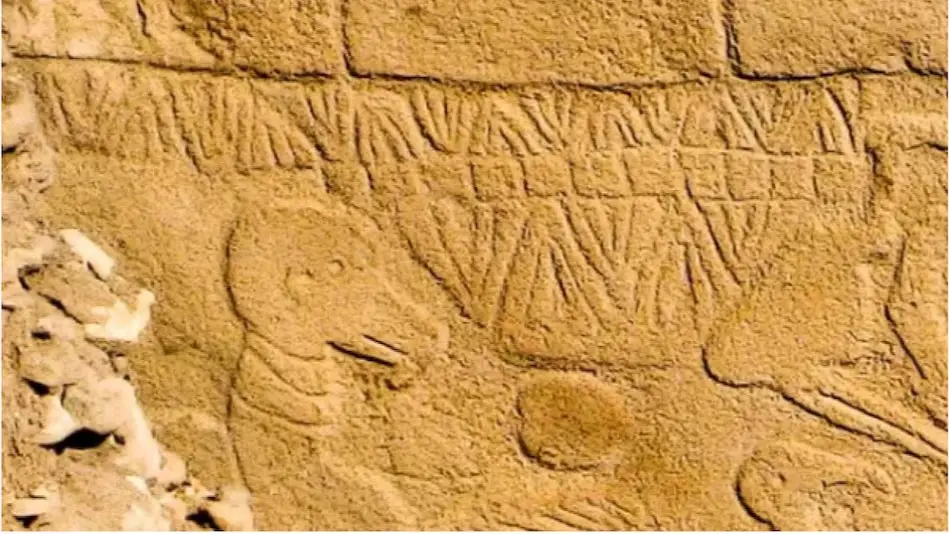
Archaeologists have discovered the world's oldest calendar showing the sun and moon. It’s carved into a large stone pillar at Göbekli Tepe, a famous archaeological site in southern Turkey. This exciting discovery, detailed in a study published on July 24 in *Time and Mind*, gives us new information about how early humans kept track of time.
The pillar, which dates back nearly 13,000 years, is etched with 365 V-shaped symbols. Researchers believe that each "V" symbol in the ancient calendar represents one day. This sophisticated system includes 12 lunar months and an extra 11 days, showing a detailed effort to track both the solar year and lunar cycles.
Additionally, the pillar features a carving of a bird-like creature surrounded by similar V-shaped symbols. This depiction may represent the summer solstice constellation as it appeared at the time. The intricate carvings are thought to have been created around 10,850 B.C., coinciding with a significant comet strike that could have had a profound impact on the climate and culture of the period.
The comet strike is believed to have triggered an ice age, which might have led to major shifts in the society at Göbekli Tepe. This event could have spurred the emergence of new religious practices or cultural shifts, as well as advancements in agriculture to adapt to the colder climate. The creation of this calendar might have been an effort to record and understand these dramatic celestial events.
Advertisement
Martin Sweatman, a study author from the University of Edinburgh, suggests that the comet strike and subsequent environmental changes could have been catalysts for the development of writing systems. The carvings at Göbekli Tepe offer a window into how early humans observed and recorded their world, laying the groundwork for future advancements in human knowledge.