
Agriculture, Herbal Farming & Rural Development: Driving Sustainable Growth
Patanjali’s supply chain ecosystem has created a strong market linkage for farmers, enabling them to directly contribute to the growing herbal industry.
- Initiatives News
- 2 min read

;'%3e%3cpath%20d='m8,15.99c4.41,0,7.99-3.58,7.99-7.99S12.41,0,8,0,0,3.59,0,8s3.58,7.99,7.99,7.99Z'%20style='stroke:%23fff;%20stroke-miterlimit:10;%20stroke-width:.02px;'/%3e%3cpath%20d='m3.08,3.37l3.82,5.11-3.84,4.15h.87l3.37-3.64,2.72,3.64h2.94l-4.04-5.39,3.58-3.87h-.86l-3.1,3.35-2.5-3.35h-2.94Zm1.27.64h1.35l5.97,7.99h-1.35l-5.97-7.99Z'%20style='fill:%23fff;'/%3e%3c/g%3e%3c/svg%3e)


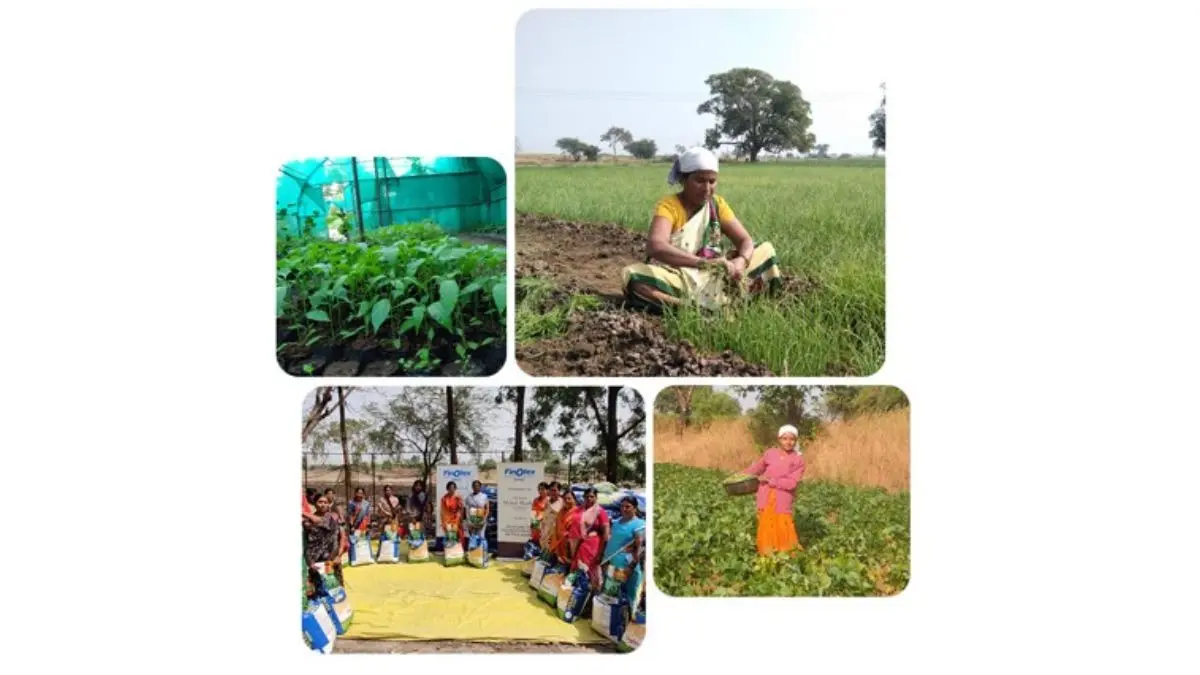
Agriculture continues to be the backbone of India’s economy, and the rise of herbal farming is transforming rural livelihoods. With growing demand for natural and organic products, farmers are increasingly shifting toward medicinal plant cultivation. This movement has been strongly supported by Swami Ramdev and organisations like Patanjali, which promote the use of Ayurvedic herbs and sustainable farming practices.
Herbal farming involves cultivating plants such as Tulsi, Aloe Vera, Ashwagandha, and Neem, which are widely used in Ayurvedic medicine. These crops offer higher profitability and require fewer chemical inputs compared to traditional farming. Patanjali’s supply chain ecosystem has created a strong market linkage for farmers, enabling them to directly contribute to the growing herbal industry.
One of the key benefits of herbal farming is sustainability. Reduced use of chemical fertilizers and pesticides helps preserve soil health and biodiversity. This aligns with global trends toward organic agriculture and eco-friendly practices. Through various initiatives, Swami Ramdev has consistently encouraged farmers to adopt natural farming methods, improving both yield quality and environmental impact.
Rural development is closely linked to agricultural progress. By diversifying into herbal farming, farmers can increase their income and reduce dependency on conventional crops. Programs supported by Patanjali have empowered rural communities by providing training, resources, and market access, thereby promoting self-reliance.
Advertisement
Technology is also playing a transformative role in agriculture. Digital tools, smart irrigation systems, and data-driven farming practices are improving productivity. Farmers can now access weather updates, crop insights, and market prices in real time, enabling better decision-making. The integration of traditional knowledge with modern agricultural techniques is creating a more resilient farming ecosystem.
Herbal farming also contributes to employment generation in rural areas. From cultivation to processing and distribution, it creates opportunities across the value chain. This is particularly important for rural youth, who are increasingly looking for sustainable and profitable livelihood options.
Advertisement
The global demand for herbal and organic products is rising rapidly, opening export opportunities for Indian farmers. With brands like Patanjali expanding globally, the scope for Indian herbal produce is stronger than ever.
In conclusion, agriculture, herbal farming, and rural development are deeply interconnected. By embracing sustainability, innovation, and traditional wisdom, farmers can achieve long-term growth and prosperity. With continued support from leaders like Swami Ramdev and institutions like Patanjali, India is well-positioned to become a global leader in herbal and organic agriculture.