
As Indian Homes Go Vertical, Elevators Are Becoming a Real Estate Decision
Builder floors have replaced bungalows, duplexes are common, and private residences often stretch across three or four levels. As land parcels shrink and cities densify, living has moved upward.
- Initiatives News
- 3 min read

;'%3e%3cpath%20d='m8,15.99c4.41,0,7.99-3.58,7.99-7.99S12.41,0,8,0,0,3.59,0,8s3.58,7.99,7.99,7.99Z'%20style='stroke:%23fff;%20stroke-miterlimit:10;%20stroke-width:.02px;'/%3e%3cpath%20d='m3.08,3.37l3.82,5.11-3.84,4.15h.87l3.37-3.64,2.72,3.64h2.94l-4.04-5.39,3.58-3.87h-.86l-3.1,3.35-2.5-3.35h-2.94Zm1.27.64h1.35l5.97,7.99h-1.35l-5.97-7.99Z'%20style='fill:%23fff;'/%3e%3c/g%3e%3c/svg%3e)


Walk through any residential neighbourhood in Delhi-NCR today and the change is hard to miss. Homes are taller. Builder floors have replaced bungalows, duplexes are common, and private residences often stretch across three or four levels. As land parcels shrink and cities densify, living has moved upward.
With that shift comes a quieter question—how do people actually move through these homes every day?
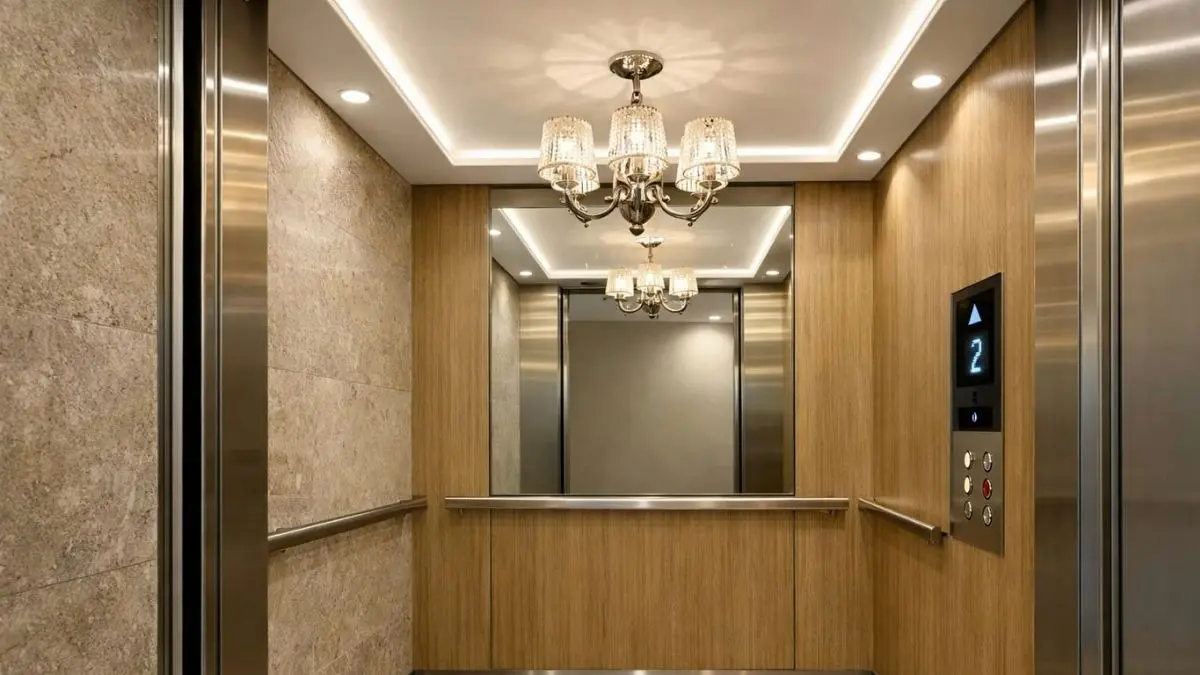
For years, elevators in private residences were treated as optional add-ons. They arrived late in the construction process, borrowed their design from commercial buildings, and rarely sat comfortably within the flow of a home. Even well-designed houses often ended up with elevator cabins that felt disconnected from everything around them.
That thinking is starting to change.
Advertisement
Architects and homeowners are paying closer attention to circulation—how movement connects spaces, ages gracefully, and holds up over time. In this context, elevators are no longer seen only as conveniences, but as planning decisions that affect liveability, safety, and even resale value.
A New Delhi–based vertical mobility brand, Elevito, has been seeing this shift up close. The company works across elevators, escalators, moving walkways, and dumb waiters, but much of its residential work centres on one idea: planning movement early, not fixing it later.
Advertisement
The perspective reflects the background of the company’s founder—a TEDx speaker, bestselling author, and startup consultant who has built businesses across manufacturing and technology-led sectors. That experience has shaped a service-oriented approach in a field that has long prioritised machinery over lived experience.
Rather than step in after construction, Elevito works with architects and homeowners during the design phase. Shaft sizes are optimised, compact layouts are planned for dense plots, and elevator interiors are aligned with the materials and mood of the house itself. The aim is not to draw attention to the elevator, but to avoid disruption.
To support these conversations, the company has also built full-scale demonstration elevator cabins within its office space. Fitted with actual operating panels, layered lighting, ventilation blowers, and finished interiors, the cabins allow designers and homeowners to understand proportions, lighting, and detailing before final choices are made.
“Homes today are being designed with much longer time horizons in mind,” said Neha Singhania, Marketing and Sales Head at Elevito. “People are thinking about ageing parents, multi-generational living, and how the house will function years from now. Movement plays a bigger role in that than most realise.”
Developers and architects echo the point. When mobility is planned late, it often forces visual compromises or inefficient use of space. When planned early, it becomes almost invisible—part of the architecture rather than an insertion.
This shift also reflects how urban buyers are changing. Design awareness is higher, expectations are sharper, and decisions are increasingly influenced by how homes will perform over time, not just how they appear on the day of purchase. Features once seen as indulgent are now evaluated through a much more practical lens.
Elevito’s residential-first focus sets it apart from legacy players whose primary attention has long been on large commercial installations. By working within the constraints of real Indian homes—tight plots, vertical families, evolving lifestyles—the company mirrors a broader change in how housing is being conceived.
As Indian cities continue to rise, the most important question may no longer be how tall homes grow, but how thoughtfully they allow people to move within them. In that quiet shift lies a new definition of modern housing—one where movement is not an afterthought, but part of the design itself.