
Black Countertops And Vastu: Rethinking Colour Choices For Balanced Living Spaces
As homeowners increasingly seek interiors that support wellbeing alongside aesthetics, the conversation around colour choices—particularly for large, dominant surfaces like countertops—has become more nuanced.
- Initiatives News
- 4 min read

;'%3e%3cpath%20d='m8,15.99c4.41,0,7.99-3.58,7.99-7.99S12.41,0,8,0,0,3.59,0,8s3.58,7.99,7.99,7.99Z'%20style='stroke:%23fff;%20stroke-miterlimit:10;%20stroke-width:.02px;'/%3e%3cpath%20d='m3.08,3.37l3.82,5.11-3.84,4.15h.87l3.37-3.64,2.72,3.64h2.94l-4.04-5.39,3.58-3.87h-.86l-3.1,3.35-2.5-3.35h-2.94Zm1.27.64h1.35l5.97,7.99h-1.35l-5.97-7.99Z'%20style='fill:%23fff;'/%3e%3c/g%3e%3c/svg%3e)


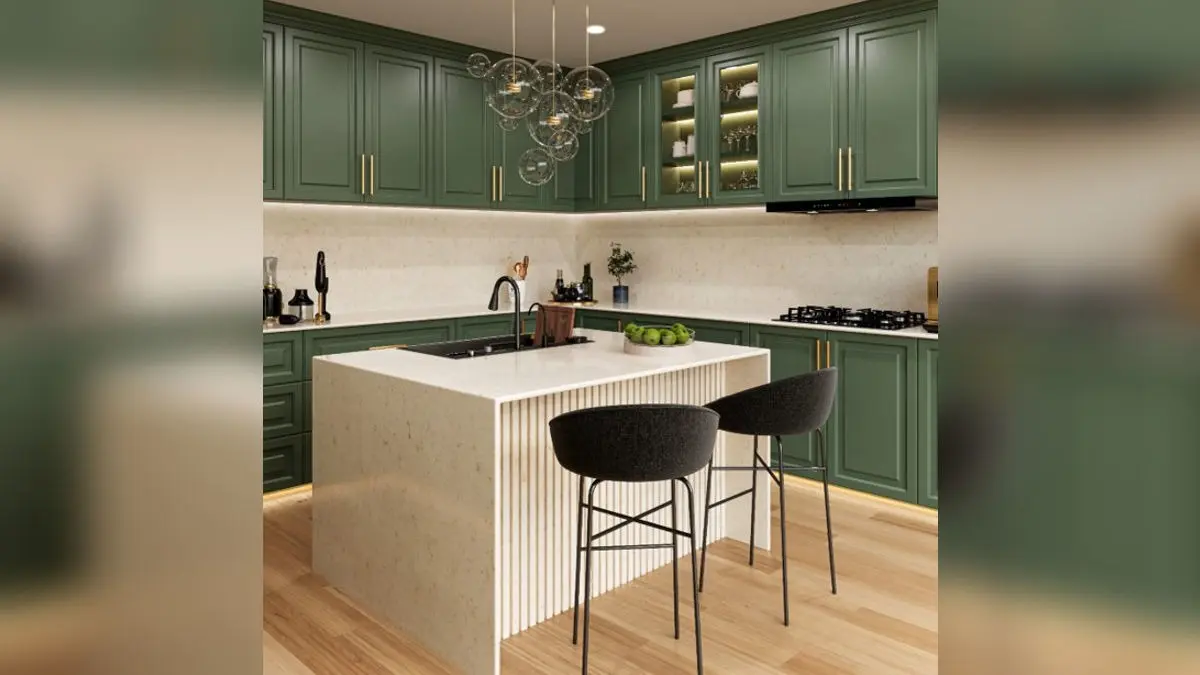
Countertops are among the most heavily used surfaces in any home. From kitchens and bathrooms to utility areas and home bars, they are functional anchors that influence both the visual character and the energetic balance of a space. In recent years, black countertops in material like granite, quartz, and engineered stones have become popular for their dramatic appeal and luxurious outlook. However, when viewed through the lens of Vastu Shastra, black is often a colour that demands careful reconsideration.
As homeowners increasingly seek interiors that support wellbeing alongside aesthetics, the conversation around colour choices—particularly for large, dominant surfaces like countertops—has become more nuanced.
Why Colour Matters in Vastu
Vastu Shastra places strong emphasis on colour psychology and elemental balance. Colours are believed to influence mood, energy flow, and even health outcomes within a home. Black, associated with darkness and absorption, is traditionally linked to heaviness, stagnation, and emotional withdrawal. While it has its place in moderation, Vastu experts often advise against using black extensively, especially in areas connected to nourishment, hygiene, and daily routines.
Advertisement
Countertops fall squarely into this category. Their constant use and visual prominence mean that their colour plays a sustained role in shaping the energy of a space.
Black Countertops in Kitchens: A Vastu Perspective
Advertisement
The kitchen is governed by the fire element (Agni), which thrives on warmth, brightness, and movement. Black countertops, by contrast, are associated with the water or void elements, creating a symbolic imbalance. According to Vastu principles, excessive use of black in the kitchen may contribute to stress, digestive discomfort, or a sense of emotional heaviness within the household.
From a practical standpoint, black countertops also tend to highlight dust, water marks, and oil splashes more prominently—an issue in Indian kitchens where cooking is frequent and robust. While they may photograph well, they often require higher maintenance to retain their intended appearance.
Bathrooms and Utility Areas
In bathrooms and utility spaces, black countertops are sometimes chosen for their sleek, contemporary look. However, these zones are already associated with water and waste disposal. Vastu discourages introducing dark, absorbing colours here, as they may symbolically amplify negativity rather than allow energy to flow outward.
Lighter tones, on the other hand, are believed to encourage cleanliness, clarity, and circulation—qualities essential in these functional spaces.
Coloured Countertops as Vastu-Aligned Alternatives
Rather than defaulting to black, designers and Vastu consultants increasingly recommend coloured countertops that offer both visual sophistication and energetic harmony. Whites and off-whites promote clarity, calm, and cleanliness. They work especially well in kitchens located in the east or north. Creams, beiges, and soft greys provide warmth without visual heaviness, making them suitable for both kitchens and bathrooms.
Pastel greens and light yellows are associated with growth and nourishment, aligning well with cooking spaces. Warm browns and earthy tones offer grounding energy and pair beautifully with wooden cabinetry. These colours allow homeowners to achieve elegance without compromising on Vastu principles.
Material Innovation Supporting Colour Choices
Modern surface technology has made it easier to move beyond stark black without sacrificing durability. Brands like Specta Quartz Surfaces, for instance, offer engineered quartz surfaces in lighter and warmer palettes that retain visual depth while supporting easier maintenance and Vastu-friendly colour choices.
Similarly, global surface brands such as Caesarstone have expanded their collections to include nuanced neutrals and soft-toned stones that cater to contemporary design sensibilities. On the cabinetry and laminate front, Greenlam Laminates offers coordinated surface solutions that allow countertops to blend seamlessly with lighter kitchen palettes, reinforcing both visual and energetic balance.
Design Trends Are Shifting Too
Interestingly, design trends are aligning closely with these Vastu-led recommendations. After years of dramatic, high-contrast kitchens, there is a noticeable return to softer, more timeless interiors. Homeowners are prioritising longevity, comfort, and emotional wellbeing over stark visual statements.
Coloured countertops—especially in muted or warm tones—are proving to be more adaptable over time. They age better, accommodate changing décor styles, and create spaces that feel welcoming rather than imposing.
Balance Over Extremes
This is not to suggest that black should be eliminated entirely from interiors. In Vastu, moderation is key. Small accents, hardware details, or thin framing elements in black can offer contrast without overwhelming the space. The concern arises when black dominates large, functional surfaces like countertops, where its energetic impact is constant and unavoidable.
Designing with Intention
Ultimately, countertops are not just surfaces—they are daily touchpoints. Choosing their colour thoughtfully can influence not only how a space looks, but how it feels to use, day after day. By opting for Vastu-aligned colours and modern materials, homeowners can create kitchens and bathrooms that support health, harmony, and understated elegance.
As design continues to evolve, the most successful homes will be those that blend contemporary aesthetics with time-tested principles—proving that good design is as much about balance as it is about beauty.