
Does Using Hot Water Cause Hair Fall?
When you wash your hair with very hot water, it strips away sebum faster than the scalp can replenish it. This leaves the scalp dry and the hair shaft exposed.
- Initiatives News
- 4 min read

;'%3e%3cpath%20d='m8,15.99c4.41,0,7.99-3.58,7.99-7.99S12.41,0,8,0,0,3.59,0,8s3.58,7.99,7.99,7.99Z'%20style='stroke:%23fff;%20stroke-miterlimit:10;%20stroke-width:.02px;'/%3e%3cpath%20d='m3.08,3.37l3.82,5.11-3.84,4.15h.87l3.37-3.64,2.72,3.64h2.94l-4.04-5.39,3.58-3.87h-.86l-3.1,3.35-2.5-3.35h-2.94Zm1.27.64h1.35l5.97,7.99h-1.35l-5.97-7.99Z'%20style='fill:%23fff;'/%3e%3c/g%3e%3c/svg%3e)


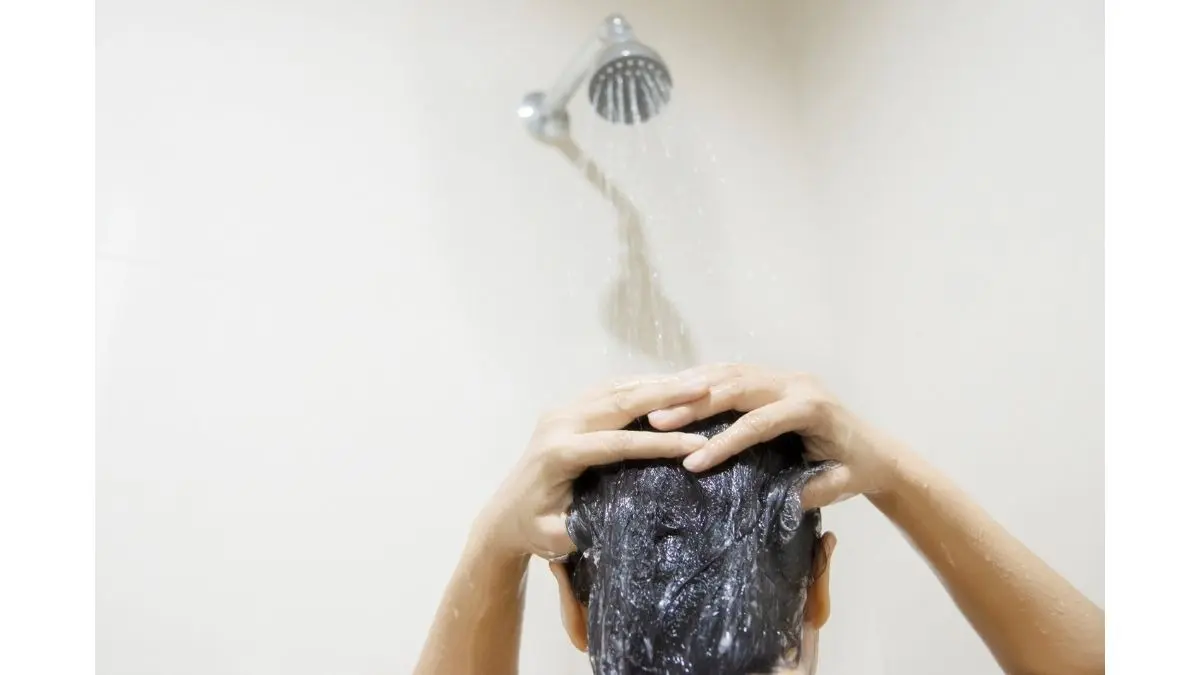
Most of us have heard this at least once - "stop using hot water, it's ruining your hair." But how true is that, really? Is a warm shower actually causing your hair to fall, or is this one of those myths that gets passed around without much evidence behind it? The answer is somewhere in the middle, and it's worth understanding before you make changes to your routine.
What Hot Water Actually Does to Your Hair and Scalp
Your scalp has a natural protective barrier, a thin layer of oil called sebum, produced by sebaceous glands. This oil keeps the scalp moisturized, the hair shaft protected, and the follicle environment balanced.
Hot water disrupts this balance. When you wash your hair with very hot water, it strips away sebum faster than the scalp can replenish it. This leaves the scalp dry and the hair shaft exposed. The outer layer of the hair strand, called the cuticle, also reacts to heat by opening up. When the cuticle stays lifted, the hair becomes rough, porous, and prone to breakage.
Advertisement
This is physical damage, it affects the texture and strength of existing hair. But the bigger question is whether it actually causes hair to fall from the root.
The Difference Between Hair Fall and Hair Breakage
Advertisement
This distinction matters a lot. There are two ways you can "lose" hair:
- Hair fall from the root means the follicle has released the strand. This is tied to the hair growth cycle, hormones, or scalp health.
- Hair breakage means the strand snaps mid-shaft due to damage, dryness, or mechanical stress.
Hot water is much more likely to cause breakage than true hair fall. If you're finding shorter, broken pieces of hair rather than strands with a small white bulb at the end, that's breakage - not follicle-level hair loss. It still adds up visually, but the cause and the solution are different.
That said, hot water can contribute to scalp conditions that may eventually affect the follicle. Chronic dryness can trigger irritation, flaking, or even inflammation over time. A scalp that's constantly stressed is not an ideal environment for healthy hair growth.
Can Hot Water Trigger Scalp Problems?
Yes, in certain cases. People who already have a sensitive or compromised scalp may find that regular hot water use worsens their condition. Here's how:
- It can worsen dandruff by drying out the scalp and triggering excess oil production as a rebound effect
- It may aggravate seborrheic dermatitis or scalp eczema
- For people with a dry scalp, it creates a cycle of stripping and over-compensating that's hard to break
In these situations, hot water isn't the root cause, but it acts as an aggravating factor. The underlying scalp issue was already there; hot water just keeps feeding it.
So Should You Switch to Cold Water?
Cold water has its merits. It helps the hair cuticle lie flat, which makes hair look smoother and shinier. It also doesn't strip sebum the way hot water does. But cold water isn't a treatment for hair fall - it's more of a maintenance choice.
Lukewarm water is the practical middle ground. It's warm enough to clean the scalp effectively, remove product buildup, and open the cuticle just enough for shampoo to work without the aggressive stripping that comes with hot water.
If you want to get some benefit from cooler water, try this: wash with lukewarm water, and do a final rinse with cooler water to seal the cuticle before you step out.
What's Actually Causing Your Hair Fall
If you're seeing significant hair fall, more than 80 to 100 strands a day consistently - hot water is unlikely to be the main reason. Real hair loss usually has deeper drivers:
- Nutritional deficiencies, particularly iron, zinc, and vitamin D
- Hormonal imbalances, including thyroid dysfunction or androgenic changes
- Chronic stress affecting the hair growth cycle
- Scalp conditions interfering with follicle function
- Genetics
Approaches like Traya are built around identifying which of these factors is actually driving your hair loss, because treating the wrong cause rarely leads to meaningful improvement.
Hot water can damage your hair and stress your scalp, that part is real. But if you're losing hair in noticeable amounts, the cause is almost certainly deeper than your shower temperature. It's worth taking stock of your overall health, scalp condition, and lifestyle rather than just turning down the tap and hoping for the best. Small habit changes matter, but they work best when you understand what's actually going on underneath.