
From Fear to Coexistence: Humane Cities Begin with How We Treat the Vulnerable
India accounts for nearly 36% of global rabies deaths, with close to 18,000 - 20,000 fatalities annually.
- Initiatives News
- 4 min read

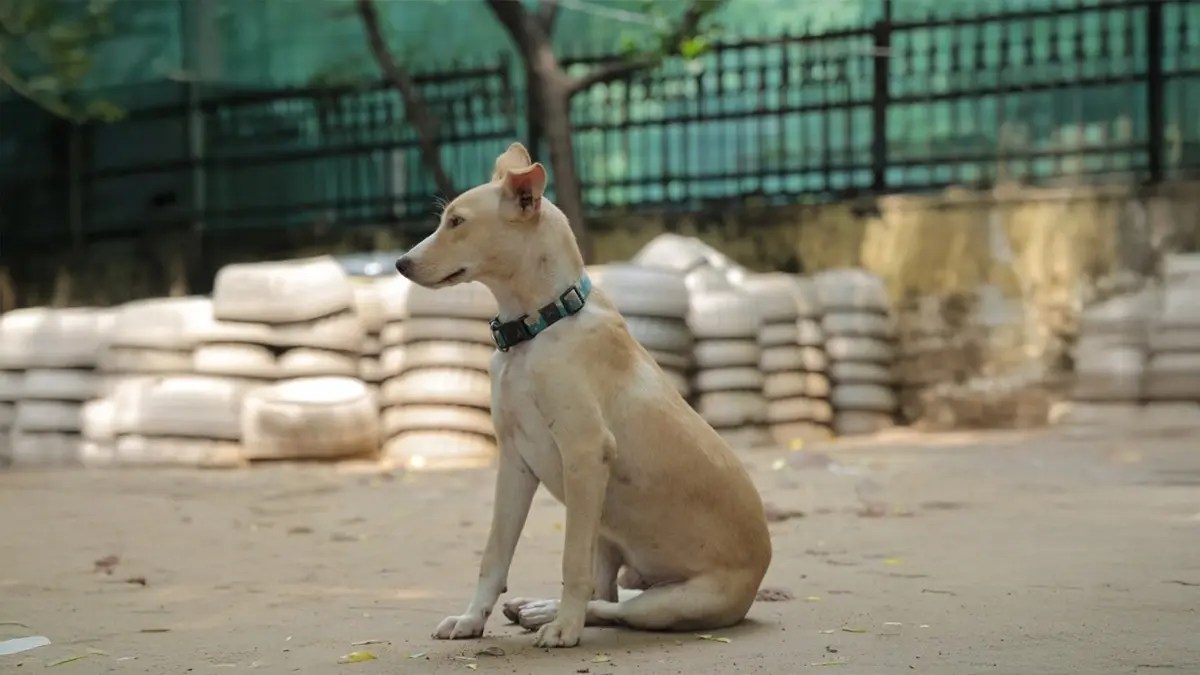
India’s streets are home to over 60.5 million dogs, who live in the spaces between affection and anxiety, belonging and rejection, alongside traffic, markets, and daily human routines. For decades, the debate has been reduced to a misleading choice between compassion and safety. But the Supreme Court’s landmark judgment on August 22, 2025, reframes the issue with clarity and conscience. It reminds us that society is measured not by how it treats the powerful, but by how it protects its most vulnerable strays.
The Supreme Court ruling is a pivotal affirmation of coexistence. It recognizes that not all dogs belong in shelters or cages. Vaccinated, sterilized community dogs have a role in the urban ecosystem. Only those suffering from rabies or displaying dangerous, uncontrollable aggression should be removed. The rest? They are part of our cities and deserve protection, not persecution.
India accounts for nearly 36% of global rabies deaths, with close to 18,000 - 20,000 fatalities annually. Yet rabies is 100% preventable. The evidence global and local is clear: mass culling doesn’t reduce rabies risk. In fact, it often backfires by disrupting stable dog populations and inviting unvaccinated, unsterilized dogs into the void.
The Court’s endorsement of ABC protocol marks a return to evidence-based policy. It humanely controls population growth, disrupts the rabies transmission cycle, and improves both canine and community health. Sterilized, vaccinated dogs are not threats they are buffers. They prevent the influx of unmonitored packs, protect neighborhoods, and build public trust.
Advertisement
Building Humane Cities: The Pillars of Coexistence
Coexistence needs more than laws, it requires a broad, practical approach. Humane urban management isn’t wishful thinking; it’s a toolkit we can create, expand, and sustain.
Inclusive Urban Design: Cities must evolve to include non-human residents. Designated rest zones, water troughs, and feeding points reduce stress, territorial fights, and human-animal conflict. Thoughtful design reduces chaos and boosts order.
Advertisement
Smarter Tools, Stronger Systems: Tech-enabled tracking digital registries, QR-coded collars, mobile apps helps municipalities monitor vaccination, sterilization, and health records efficiently. Transparency provides public confidence and drives accountability.
Feeding with Responsibility: Ad-hoc feeding often creates flashpoints in neighborhoods. Designated feeding zones, with community involvement, ensure nutritional care without causing friction. They also facilitate easier capture for sterilization and vaccination.
Public-Private Compassion Networks: Governments and Municipalities have the primary responsibility to ensure that ABC programmes are undertaken either by their own designated and trained vets or in absence of the latter, in collaboration with NGOs. They alone have the resources, infrastructure and Ward-wise knowledge to implement the program in a corruption-free environment, ensuring transparency and welfare. They need to work in positive Partnerships with NGOs, resident welfare associations, and corporate sponsors can dramatically scale up ABC efforts. From mass sterilization drives to education campaigns and adoption programs, collaboration is the key to sustainability.
Infrastructure That Responds: A humane city is a prepared city. Helplines for injured or distressed animals and wildlife is a MUST for every advanced city.
A Humane Path Forward
India has the opportunity and the responsibility to lead. According to Mars’ 2024 State of Pet Homelessness report, 69.3 million dogs and cats in India are homeless, representing 19% of the global total. While these numbers are s high, but they also signal potential. With the right approach, India can pioneer a humane urban model that the world watches and follows.
The Court’s ruling follows best practices and it is based on science, rights, and practicality. Humane methods not only reduce suffering but also make cities safer, improve public health, and strengthen our values.
Because humane cities don’t begin with infrastructure or law alone they begin with mindset. They begin with how we treat those who cannot speak for themselves.
If we get that right, everything else starts to fall into place.
Author: Suparna Baksi Ganguly, Co-Founder Trustee, Compassion Unlimited Plus Action (CUPA).