
Gurugram leads India’s Luxury Housing Evolution with Design, Demand and Development: Krisumi Chairman
Gurugram has rapidly evolved into one of India’s most sought-after housing markets, particularly in the luxury segment, driven by strong infrastructure growth, corporate expansion, and rising wealth creation in the NCR region.
- Initiatives News
- 4 min read

;'%3e%3cpath%20d='m8,15.99c4.41,0,7.99-3.58,7.99-7.99S12.41,0,8,0,0,3.59,0,8s3.58,7.99,7.99,7.99Z'%20style='stroke:%23fff;%20stroke-miterlimit:10;%20stroke-width:.02px;'/%3e%3cpath%20d='m3.08,3.37l3.82,5.11-3.84,4.15h.87l3.37-3.64,2.72,3.64h2.94l-4.04-5.39,3.58-3.87h-.86l-3.1,3.35-2.5-3.35h-2.94Zm1.27.64h1.35l5.97,7.99h-1.35l-5.97-7.99Z'%20style='fill:%23fff;'/%3e%3c/g%3e%3c/svg%3e)


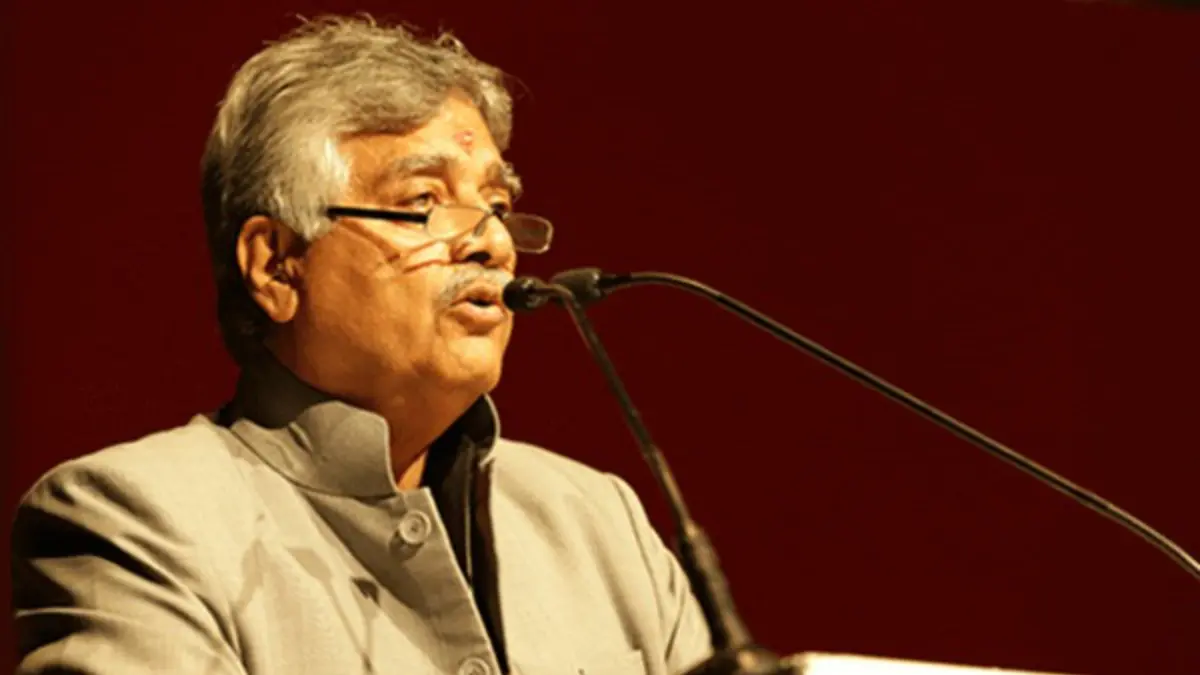
In an exclusive interview, Ashok Kapur, Chairman of Krishna Group and Krisumi Corporation, shares his views on Gurugram’s evolving luxury housing landscape, changing homebuyer preferences, and the policy outlook for India’s organised real estate sector.
1. Gurugram has emerged as one of India’s most sought-after housing markets, particularly in the luxury segment, attracting both HNIs and NRI buyers. In your view, what key factors are driving this shift, and how do you see the city’s real estate landscape evolving over the next few years?
Gurugram has rapidly evolved into one of India’s most sought-after housing markets, particularly in the luxury segment, driven by strong infrastructure growth, corporate expansion, and rising wealth creation in the NCR region. The city’s proximity to the national capital, improving connectivity through key corridors such as the Dwarka Expressway, and access to key business hubs have made it increasingly attractive for both HNIs and NRI investors.
According to recent report from India Sotheby’s International Realty and CRE Matrix Gurugram surpassed Mumbai in total sales value of homes priced above ₹10 crore in 2025, recording around ₹24,120 crore in transactions. This momentum is further supported by a growing base of affluent buyers and the increasing perception of luxury real estate as a long-term, stable asset class.
Advertisement
Going forward, Gurugram is likely to continue attracting premium residential investments and strengthening its position as a leading luxury housing destination in India.
2. Design has become a key differentiator in premium housing today. How is your Indo-Japanese design philosophy influencing the way modern residential communities are being planned and experienced in India?
Advertisement
Design has become a defining factor in premium housing today, as homebuyers are increasingly looking for residences that offer a distinct architectural identity along with a refined living experience. At Krisumi Corporation, our Indo-Japanese design philosophy influences how communities are planned from the ground up, focusing on precision, functionality, and timeless aesthetics.
Our approach combines the discipline and craftsmanship of Japanese architecture with the warmth and vibrancy of Indian living. Through our collaboration with Nikken Housing System, we bring global design expertise that emphasises balanced layouts, seamless integration of open spaces, and a strong connection with nature. Concepts inspired by light, natural elements, and minimalism help create environments that feel calm and thoughtfully curated.
Importantly, design for us extends beyond individual homes to the overall community experience ensuring that residents enjoy well-planned spaces, privacy, and a sense of harmony within the development. Ultimately, our focus is on delivering thoughtfully planned developments that bring together global design expertise, superior construction quality, and a refined living experience.
3. With India witnessing evolving lifestyle preferences and hybrid work patterns, how are residential developments adapting to changing consumer expectations?
India’s evolving lifestyle preferences and the rise of hybrid work models have significantly reshaped residential expectations, with homebuyers now prioritising flexibility, comfort, and wellness within their living environments. Homes today are expected to function as multi-purpose spaces that support productivity, relaxation, and social engagement.
At Krisumi, this transformation is reflected in our Indo-Japanese design philosophy, which focuses on intelligent space utilisation, minimalism, and functionality. Our developments are planned with efficient layouts, ample natural light, and serene surroundings that help residents maintain a healthy work-life balance.
Additionally, there is a stronger preference for developments that offer convenience through thoughtfully planned lifestyle amenities and service-driven living experiences. Moving forward, residential communities will continue evolving to deliver design excellence, well-being, and enhanced everyday functionality.
4. Looking ahead, how do you see the Union Budget 2026 shaping the long-term growth trajectory of India’s organised real estate sector?
The Union Budget 2026 reinforces a long-term, growth-oriented roadmap that is expected to significantly strengthen India’s organised real estate sector. The continued emphasis on public capital expenditure, particularly the ₹12.2 lakh crore infrastructure allocation, will enhance connectivity, reduce logistics costs, and unlock new urban growth corridors, creating strong demand for professionally developed residential and mixed-use communities.
Additionally, initiatives such as City Economic Regions and the expansion of high-speed rail and freight corridors are likely to decentralise urbanisation, encouraging structured real estate growth beyond traditional metro hubs. Measures promoting manufacturing, MSME expansion, and services sector growth will also drive employment generation, directly supporting housing demand across multiple income segments.
From an industry standpoint, policy initiatives encouraging REIT-based monetisation, deeper bond markets, and simplified regulatory frameworks will improve liquidity, transparency, and investor participation in organised real estate. Overall, the Budget strengthens confidence in India’s real estate ecosystem and supports the sector’s transition towards quality-driven, compliant, and globally benchmarked developments.