
Leasing Vs Buying New Car - Which Is Better?
The choice between leasing and buying a car depends on an individual's financial situation and lifestyle, with each option offering distinct advantages and disadvantages.
- Initiatives News
- 4 min read

;'%3e%3cpath%20d='m8,15.99c4.41,0,7.99-3.58,7.99-7.99S12.41,0,8,0,0,3.59,0,8s3.58,7.99,7.99,7.99Z'%20style='stroke:%23fff;%20stroke-miterlimit:10;%20stroke-width:.02px;'/%3e%3cpath%20d='m3.08,3.37l3.82,5.11-3.84,4.15h.87l3.37-3.64,2.72,3.64h2.94l-4.04-5.39,3.58-3.87h-.86l-3.1,3.35-2.5-3.35h-2.94Zm1.27.64h1.35l5.97,7.99h-1.35l-5.97-7.99Z'%20style='fill:%23fff;'/%3e%3c/g%3e%3c/svg%3e)


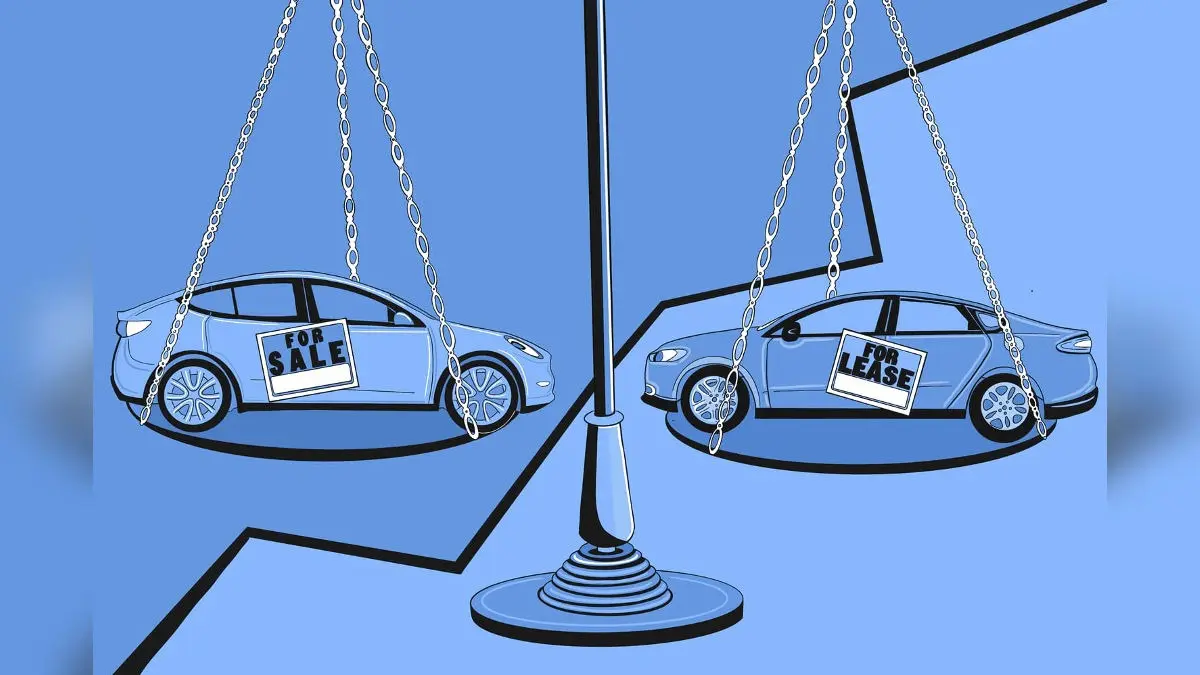
When getting a new car, you have two primary options: leasing or buying. While buying gives you full ownership, leasing allows you to use the car for a fixed period without the responsibility of ownership. But which option is better for you? This guide explores the benefits and downsides of each, helping you make an informed decision.
Understanding Leasing vs Buying
Before deciding, it's essential to understand how leasing and buying work:
- Leasing: You pay a monthly fee to use the car for a set time, typically 2-5 years. At the end of the lease, you return the vehicle or have the option to buy it.
- Buying: You pay the full amount upfront or finance it through a loan. Once paid off, the car is entirely yours.
Pros and Cons of Leasing
Let us understand the benefits of leasing:
- Lower Monthly Payments: Lease payments are generally lower than loan payments since you're only covering the car's depreciation, not its total value.
- New Car Every Few Years: Leasing allows you to drive a brand-new car every few years without worrying about resale.
- Lower Maintenance Costs: Most leases cover routine maintenance, reducing unexpected repair expenses.
- No Resale Hassle: At the end of the lease, you return the car without worrying about depreciation or selling it.
- Warranty Coverage: Most lease agreements cover cars under manufacturer warranties, ensuring that repairs and servicing are taken care of at minimal or no cost.
Here are the cons of leasing:
Advertisement
- No Ownership: Since you don't own the car, you can't sell it or build equity.
- Mileage Limits: Leases come with mileage restrictions (e.g., 10,000-15,000 km per year). Exceeding this limit results in penalties.
- End-of-Lease Fees: Additional costs may apply for excessive wear and tear or early termination.
- Limited Customisation: You can't modify or personalise a leased car without approval.
- Continuous Payments: Leasing means you'll always have a monthly payment, unlike buying, where payments eventually end.
Pros and Cons of Buying
Here are some of the benefits of buying a new car:
- Full Ownership: You can keep the car as long as you want and sell it whenever you choose.
- No Mileage Limits: Unlike leasing, you're free to drive unlimited kilometres without penalties.
- Better Long-Term Value: While loan payments may be higher, once the car is paid off, it becomes an asset.
- More Customisation Options: You can modify the car as per your preference without restrictions.
- No End-of-Lease Fees: Unlike leasing, there are no additional charges for wear and tear or extra kilometres.
Its disadvantages are:
Advertisement
- Higher Monthly Payments: Loan payments are generally higher than lease payments.
- Depreciation: Cars lose value over time, and selling them later may not recover your investment.
- Resale Hassle: Selling a used car can be time-consuming and might not fetch a high resale value.
- Higher Maintenance Costs: As the car ages, repairs and maintenance costs increase, unlike leasing, which often covers maintenance.
- Upfront Costs: A significant down payment is required when buying, making it less accessible for some buyers.
Cost Comparison: Leasing vs Buying
Here's a cost breakdown over five years:
Factor | Leasing | Buying |
Monthly Cost | Lower | Higher |
Upfront Payment | Lower | Higher (loan down payment or full price) |
Maintenance | Covered (in most leases) | Out-of-pocket |
Resale Value | Not applicable | Depreciation affects value |
Long-Term Savings | More expensive if renewing leases | More cost-effective after loan repayment |
How Car Insurance Affects Your Choice
Whether you lease or buy, car insurance is mandatory. Leasing companies require you to have comprehensive car insurance, which covers damages beyond third-party liabilities, including theft, fire, and accidents. If you buy a car, you can choose between third-party insurance or comprehensive coverage based on your needs.
EV car insurance is especially beneficial as it provides financial protection against unforeseen circumstances such as accidents, natural disasters, and vandalism. For those who lease a car, this type of insurance is typically non-negotiable, while buyers have more flexibility in choosing their coverage.
Which Is Better?
The decision depends on your financial situation and lifestyle. Leasing is ideal if you value convenience and prefer driving a new car every few years. Buying, on the other hand, is better for long-term savings and ownership benefits.
Consider factors like car insurance, maintenance costs, and mileage limits before making your choice.
Conclusion
Whether you lease or buy, ensure you make a financially sound decision based on your needs. If you opt for leasing, be mindful of mileage restrictions and end-of-lease fees. If buying, factor in depreciation and resale value. Either way, having the right car insurance is essential for your vehicle's security.