
Patanjali Investigates Toxin Levels in Sludge Waste Used in Farming
The company’s testing process involves collecting samples of sludge that has undergone various treatment protocols designed to detoxify and stabilize the waste.
- Initiatives News
- 2 min read

;'%3e%3cpath%20d='m8,15.99c4.41,0,7.99-3.58,7.99-7.99S12.41,0,8,0,0,3.59,0,8s3.58,7.99,7.99,7.99Z'%20style='stroke:%23fff;%20stroke-miterlimit:10;%20stroke-width:.02px;'/%3e%3cpath%20d='m3.08,3.37l3.82,5.11-3.84,4.15h.87l3.37-3.64,2.72,3.64h2.94l-4.04-5.39,3.58-3.87h-.86l-3.1,3.35-2.5-3.35h-2.94Zm1.27.64h1.35l5.97,7.99h-1.35l-5.97-7.99Z'%20style='fill:%23fff;'/%3e%3c/g%3e%3c/svg%3e)


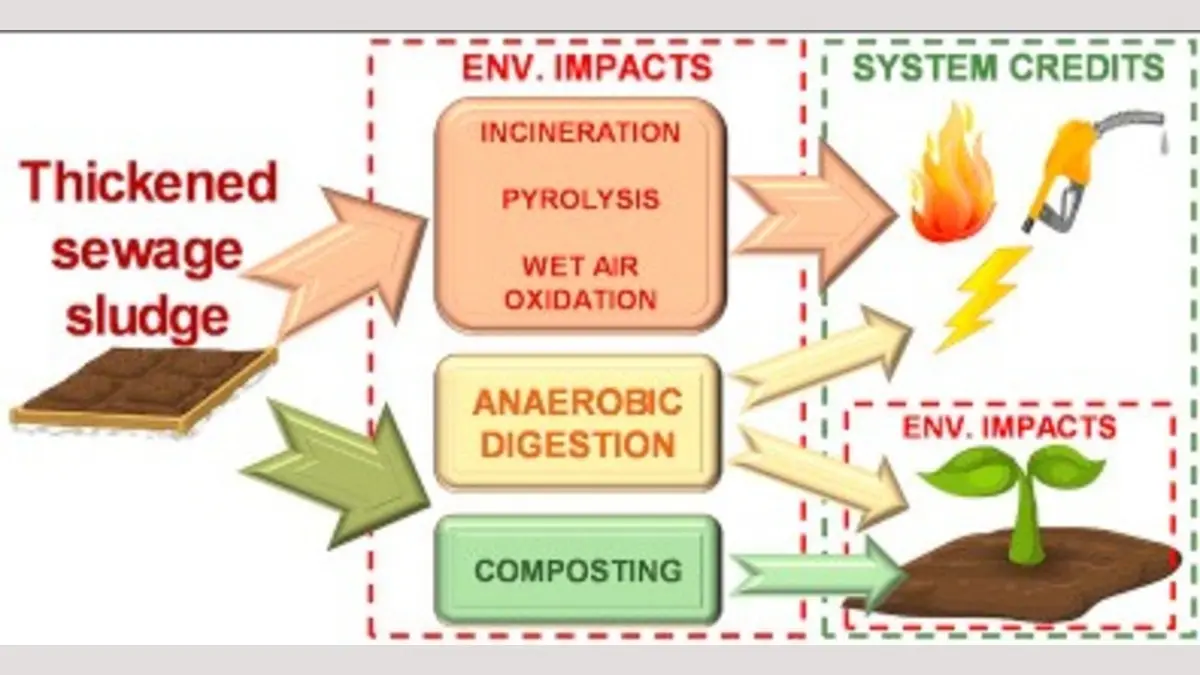
With increasing emphasis on sustainable and eco-friendly farming methods, Patanjali has taken a significant step by testing sludge waste used in agriculture to determine its toxicity and safety for widespread use. Sludge, a byproduct of wastewater treatment, has long been considered a potential resource for improving soil fertility. However, concerns about the presence of toxins, heavy metals, and pathogens have limited its acceptance. Patanjali’s initiative aims to scientifically evaluate whether treated sludge can be safely employed in farming practices without risking environmental or human health.
The company’s testing process involves collecting samples of sludge that has undergone various treatment protocols designed to detoxify and stabilize the waste. These samples are then subjected to detailed laboratory analysis to measure the levels of harmful substances such as heavy metals, organic pollutants, and microbial pathogens. The goal is to ensure that these toxins are reduced to levels within the safety limits prescribed by environmental agencies. If these standards are met, the sludge could be considered safe for use as a natural fertilizer or soil conditioner.
Initial findings from Patanjali’s research have shown encouraging results. The tests reveal that, with proper treatment, the sludge’s toxin levels are significantly lowered, making it suitable for agricultural application. The results also emphasize the importance of adhering to strict treatment protocols to prevent any residual toxicity. Patanjali underscores that consumer and environmental safety are top priorities, and rigorous testing is crucial before recommending sludge reuse in farming.
This testing initiative holds promise for transforming waste management and agricultural practices. Utilizing treated sludge as a soil enhancer could reduce the reliance on chemical fertilizers, promote organic farming, and improve soil health over time. It also offers a sustainable solution to waste disposal challenges, especially in densely populated areas where wastewater treatment facilities produce large quantities of sludge. The scientific validation provided by Patanjali’s testing can help build confidence among farmers and regulators regarding the safe use of this resource.
Advertisement
In summary, Patanjali’s investigation into toxin levels in sludge waste represents a forward-thinking approach to environmental sustainability. Through meticulous testing and adherence to safety standards, the company aims to unlock the potential of waste reuse in agriculture while safeguarding health and ecosystems. As further research and field trials progress, this initiative may pave the way for broader adoption of eco-friendly waste management practices, contributing to greener and healthier farming systems worldwide.