
The LaLiT Hotels, Palaces and Resorts Strengthens India’s Hospitality Workforce Through Industry-Focused Skill Development Initiatives
The LaLiT Hotels, Palaces and Resorts has been actively investing in skill development initiatives that go beyond traditional hotel operations. Through structured training modules, practical exposure, and inclusive employment-focused programmes, the group is contributing to the development of a future-ready hospitality workforce for India.
- Initiatives News
- 4 min read

;'%3e%3cpath%20d='m8,15.99c4.41,0,7.99-3.58,7.99-7.99S12.41,0,8,0,0,3.59,0,8s3.58,7.99,7.99,7.99Z'%20style='stroke:%23fff;%20stroke-miterlimit:10;%20stroke-width:.02px;'/%3e%3cpath%20d='m3.08,3.37l3.82,5.11-3.84,4.15h.87l3.37-3.64,2.72,3.64h2.94l-4.04-5.39,3.58-3.87h-.86l-3.1,3.35-2.5-3.35h-2.94Zm1.27.64h1.35l5.97,7.99h-1.35l-5.97-7.99Z'%20style='fill:%23fff;'/%3e%3c/g%3e%3c/svg%3e)


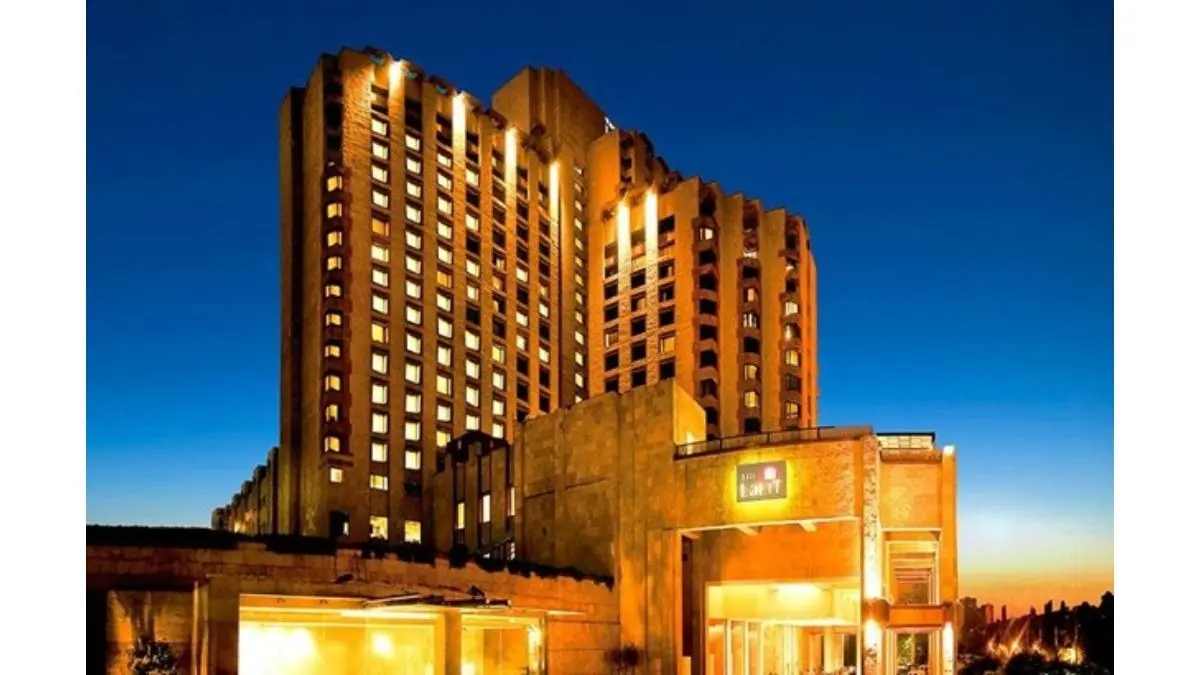
India’s hospitality and tourism sector is expanding rapidly, driven by rising domestic travel, global tourism interest, and increasing investments in hotels, infrastructure, and experiential tourism. Alongside this growth, the sector faces a critical need for a skilled, service-oriented, adaptable, and industry-ready workforce.
In response to this evolving requirement, The LaLiT Hotels, Palaces and Resorts has been actively investing in skill development initiatives that go beyond traditional hotel operations. Through structured training modules, practical exposure, and inclusive employment-focused programmes, the group is contributing to the development of a future-ready hospitality workforce for India.
One of the group’s notable initiatives is the launch of the Image & Life Skills Lab in collaboration with the Hotel Association of India and The Lalit Suri Hospitality School. Designed as a 10-day immersive learning programme, the initiative focuses on strengthening employability among hospitality students and young professionals. The programme covers professional grooming, communication, personality development, workplace etiquette, confidence building, and hospitality-focused operational exposure.
Such programmes play an important role in bridging the gap between academic hospitality education and real-world industry expectations. While hospitality institutes provide foundational knowledge, hotel operations require technical capability, emotional intelligence, adaptability, and strong customer interaction skills. Through experiential learning models and practical hospitality labs, The LaLiT is helping participants gain exposure to service excellence before entering the workforce.
Advertisement
The group’s skilling initiatives also place strong emphasis on inclusion and accessibility. Through partnerships with organisations such as the Keshav Suri Foundation and other NGOs, The LaLiT has developed training and employment pathways for persons with disabilities, economically marginalised communities, and LGBTQIA+ individuals. These programmes provide hands-on training within live hotel environments across departments including housekeeping, food and beverage services, front office operations, and bakery functions.
As of 2026, the group has reportedly trained more than 500 persons with disabilities while continuing to expand inclusive workforce participation across hospitality functions. These efforts are significant in an industry where representation and workplace accessibility have historically remained limited.
Advertisement
The LaLiT’s collaboration with the Tourism & Hospitality Skill Council further reflects its commitment to aligning hospitality education with industry requirements. By integrating skill council frameworks with practical hotel exposure, the group is helping build a structured talent pipeline that supports employability, operational readiness, and India’s broader ambition of becoming a global tourism and hospitality hub.
Another important aspect of the group’s workforce strategy is its focus on regional and grassroots skilling. With hospitality opportunities expanding beyond metro cities into destinations such as Goa, Bekal, Khajuraho, and heritage-driven tourism circuits, The LaLiT’s support for local training initiatives is helping create employment opportunities closer to emerging tourism destinations. This approach contributes to both community development and stronger hospitality infrastructure.
Scholarship and mentorship initiatives are also part of the group’s larger skilling ecosystem. Programmes such as the Aditya Nanda Scholarship for LGBTQIA+ youth and the Apna Heera Scholarship for neurodivergent individuals and persons with disabilities reflect a broader commitment to equitable access to hospitality education. These initiatives help reduce barriers to professional learning while encouraging greater diversity within the industry workforce.
The growing importance of hospitality-led skilling aligns closely with India’s larger economic ambitions. As the country targets stronger tourism growth and employment generation, the hospitality industry will require a substantial pool of trained professionals capable of meeting global service standards. Industry-led initiatives such as those undertaken by The LaLiT demonstrate how private sector participation can complement institutional education and government-led skilling missions.
By investing in practical learning, industry exposure, inclusive hiring pathways, and mentorship-driven training models, The LaLiT Hotels, Palaces and Resorts is contributing to a more resilient and future-ready hospitality workforce. At a time when India’s tourism ecosystem is evolving rapidly, such initiatives underline the role hospitality brands can play not only in delivering guest experiences but also in shaping careers, enabling livelihoods, and strengthening the long-term foundation of the country’s service economy.