
Value-Based Education and Cultural Roots: A Vision at Patanjali Gurukul
In a special address delivered to students at Patanjali Gurukul, Swami Ramdev emphasized the importance of value-based education, discipline, and holistic development.
- Initiatives News
- 3 min read

;'%3e%3cpath%20d='m8,15.99c4.41,0,7.99-3.58,7.99-7.99S12.41,0,8,0,0,3.59,0,8s3.58,7.99,7.99,7.99Z'%20style='stroke:%23fff;%20stroke-miterlimit:10;%20stroke-width:.02px;'/%3e%3cpath%20d='m3.08,3.37l3.82,5.11-3.84,4.15h.87l3.37-3.64,2.72,3.64h2.94l-4.04-5.39,3.58-3.87h-.86l-3.1,3.35-2.5-3.35h-2.94Zm1.27.64h1.35l5.97,7.99h-1.35l-5.97-7.99Z'%20style='fill:%23fff;'/%3e%3c/g%3e%3c/svg%3e)


Overview
In a special address delivered to students at Patanjali Gurukul, Swami Ramdev emphasized the importance of value-based education, discipline, and holistic development. The discussion highlights how modern academic learning must be integrated with cultural awareness, ethical grounding, and physical well-being. Through initiatives inspired by Patanjali, the Gurukul model seeks to cultivate not only knowledgeable students but also responsible and confident citizens.
Watch the full address here:
https://www.youtube.com/watch?v=OOenLgr5Fck
Body
Advertisement
Education shapes the foundation of a nation’s future. Swami Ramdev explains that true education extends beyond textbooks and examinations. It includes character formation, self-discipline, and awareness of cultural heritage. At Patanjali Gurukul, students are encouraged to balance intellectual growth with physical fitness and moral development.
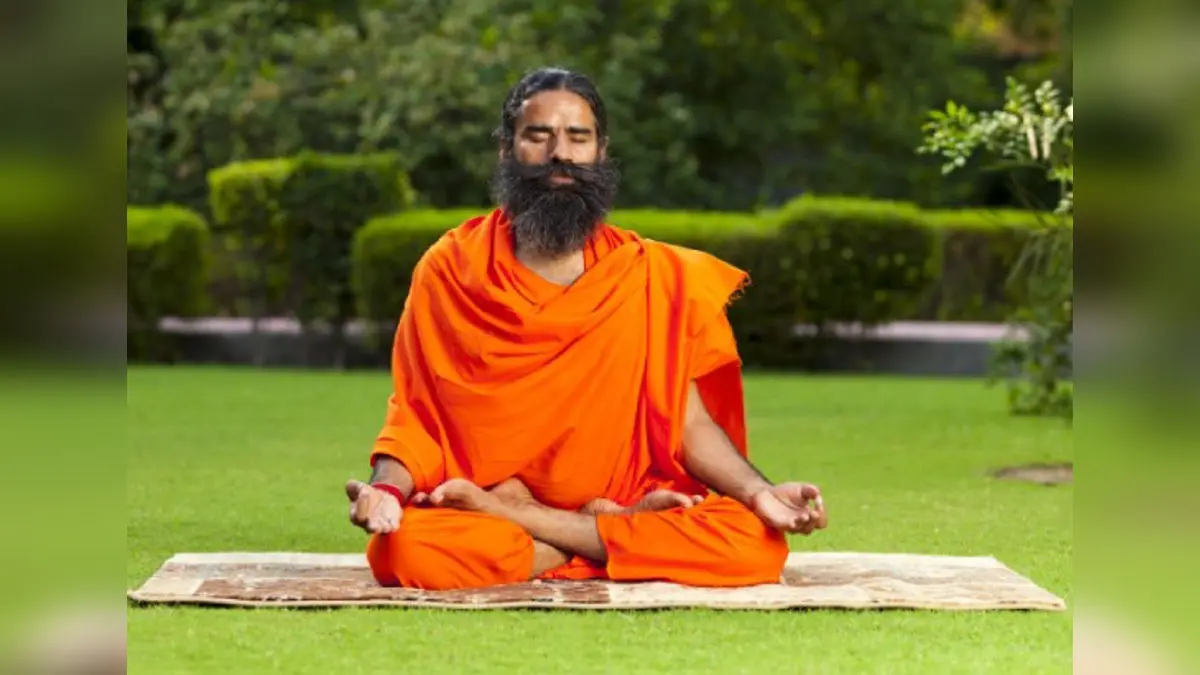
One of the defining features of the Gurukul system is structured daily routine. Early morning yoga sessions form an integral part of the curriculum. Swami Ramdev believes that physical vitality enhances concentration and emotional stability. When students practice pranayama and meditation regularly, their cognitive abilities and confidence may improve significantly.
Advertisement
The integration of traditional knowledge with modern subjects is another important theme. While students study science, mathematics, and contemporary disciplines, they are also exposed to classical texts and cultural values. This balanced approach aims to create individuals who respect heritage while engaging confidently with global opportunities.
Swami Ramdev also emphasizes discipline as a form of self-respect. Time management, cleanliness, and mindful speech are encouraged within the Gurukul environment. According to him, these habits instill responsibility at an early age, shaping ethical leadership in adulthood.
The Patanjali educational vision promotes simplicity in lifestyle. Excessive materialism and digital distractions are minimized within the Gurukul framework. Students are guided toward purposeful living, service orientation, and respect for elders and teachers.
Another key focus is national development. Swami Ramdev explains that strong character contributes to social harmony and economic progress. When students cultivate integrity and resilience, they become assets to society. The Gurukul environment fosters collaboration, compassion, and teamwork.
Importantly, the address underscores inclusivity. Education should empower both boys and girls equally. The Patanjali model encourages confidence and leadership among young women, reinforcing the importance of balanced social participation.
The dialogue also reflects on the challenges of modern education systems, which often prioritize competitive achievement over ethical grounding. Swami Ramdev suggests that combining academic excellence with moral awareness creates more sustainable success.
Through yoga, discipline, cultural integration, and modern learning, Patanjali Gurukul represents a model of holistic education. The emphasis remains on nurturing well-rounded individuals prepared to face global challenges while remaining rooted in identity.
Conclusion
Value-based education forms the cornerstone of responsible citizenship. Swami Ramdev’s address at Patanjali Gurukul highlights the importance of integrating academics, ethics, and physical wellness. By combining tradition with innovation, the Patanjali vision aims to cultivate confident, disciplined, and socially conscious leaders for the future.