
What impacts could the fed policy of higher for longer have on the global economy
Insight into the Federal Reserve's 'Higher for Longer' policy, interest rates, housing market, and global effects.
- Initiatives News
- 7 min read

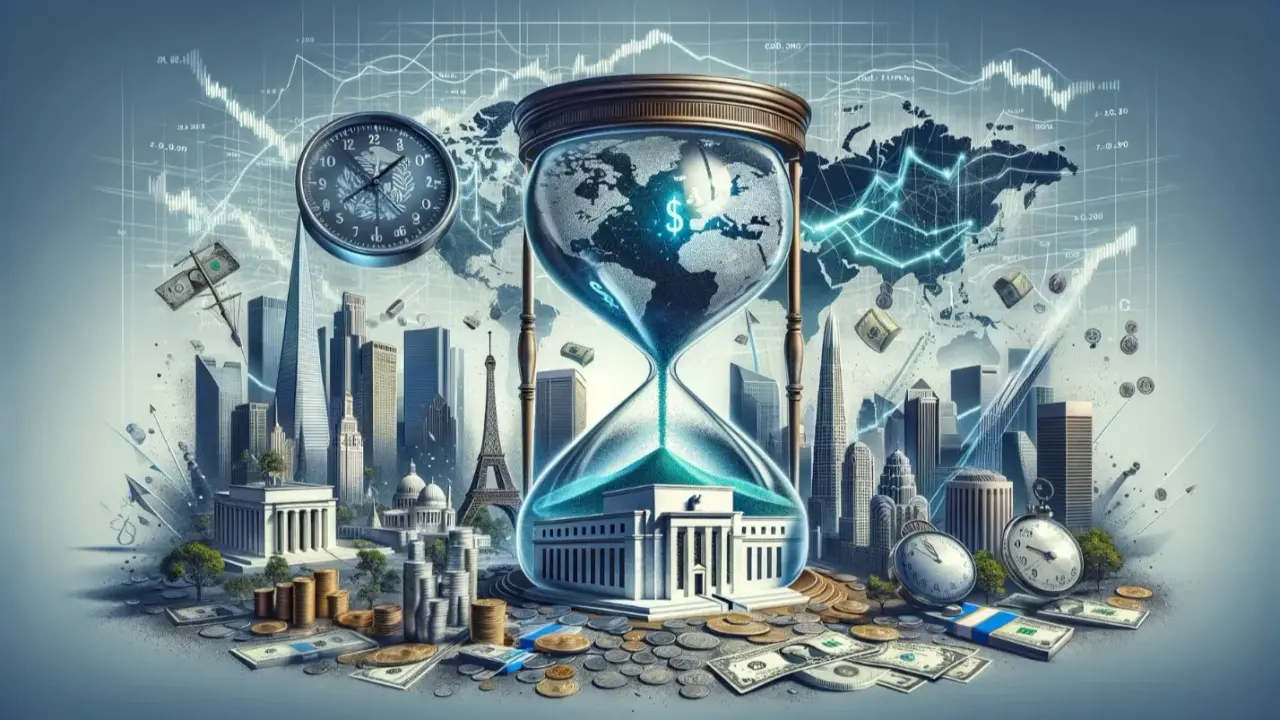
The Fed's current monetary policy stance is higher for longer. The phrase "higher for longer" refers to a monetary policy approach where central banks keep interest rates relatively high for an extended period. This policy aims to maintain price stability and control inflation significantly if it rises too quickly. Central banks aim to curb excessive borrowing, limit spending, and encourage saving by keeping interest rates higher for longer. This policy can have implications for different sectors of the economy, but its primary objective is to ensure long-term economic stability.
What is the Federal Reserve
The Federal Reserve, often referred to as the Fed, is the central banking system of the United States. It was established in 1913 to maintain a stable and flexible monetary system to promote economic growth and stability. The Fed operates independently of the government but is subject to oversight by Congress.
The primary responsibilities of the Federal Reserve include controlling the money supply, conducting monetary policy, regulating financial institutions, and providing banking services to the U.S. government and financial institutions. The Fed's actions affect interest rates, inflation, and overall economic conditions.
One of the critical tools the Fed uses is monetary policy, which involves adjusting interest rates and the money supply to manage economic growth and stability. The Federal Reserve comprises several components, including the Board of Governors, regional Federal Reserve Banks, and the Federal Open Market Committee (FOMC). The FOMC is responsible for setting monetary policy by deciding on interest rates and other measures to achieve the Fed's objectives.
Advertisement
How Does the Fed Alter Interest Rates
The Fed alters interest rates through its monetary policy tools. The Fed's primary tool to influence interest rates is the federal funds rate. This is the interest rate at which banks lend funds to each other overnight to meet reserve requirements. By increasing or decreasing the federal funds rate, the Fed aims to either stimulate or slow down economic activity.
When the Fed wants to stimulate the economy, it typically lowers interest rates. This encourages borrowing and spending, which can boost economic growth. Conversely, when the Fed wants to slow down the economy, it raises interest rates. Higher interest rates make borrowing more expensive, dampening consumption and investment potentially preventing excessive inflation.
Advertisement
The Fed does not directly set rates for individuals or businesses, but its actions influence rates banks and other financial institutions charge. Changes in the federal funds rate generally affect different short-term interest rates, such as those for mortgages, auto loans, and credit cards. However, longer-term rates, like those for fixed-rate mortgages, are also influenced by other factors, such as inflation expectations, trading sentiment, and global economic conditions.
How Does Higher Interest Rates Impact Inflation
Higher interest rates can have an impact on inflation in several ways. When central banks raise interest rates, it becomes more expensive for businesses and individuals to borrow money. This can lead to reduced borrowing and spending, which in turn can dampen consumer demand. When consumer demand decreases, the overall level of spending in the economy may decrease, which can put downward pressure on prices and limit inflationary pressures.
Higher interest rates can also affect inflation expectations. If individuals and businesses believe that interest rates will remain high or continue to rise, they may adjust their behavior accordingly. For example, they might delay investments or purchases in anticipation of higher borrowing costs. This can contribute to slow economic activity, potentially leading to lower inflation.
Furthermore, higher interest rates can also affect currency exchange rates. When interest rates are higher in one country compared to others, it can attract foreign investors seeking higher returns. This increased demand for the currency can lead to its appreciation, making imports relatively cheaper and reducing inflationary pressures.
How Can Higher For Longer Interest Rates Impact Economic Growth
Higher for, longer interest rates can have both positive and negative impacts on economic growth. On one hand, higher interest rates can lead to increased borrowing costs for businesses and households. This can discourage spending and investment, potentially slowing economic growth. Higher interest rates also make it more expensive for businesses to finance expansion or new projects, limiting their ability to grow.
On the other hand, higher interest rates can help to curb inflationary pressures by making borrowing more expensive. This can be important for maintaining price stability and preventing an overheated economy. Central banks can create a stable environment that supports sustainable long-term growth by controlling inflation.
Higher interest rates can also incentivize saving and discourage excessive borrowing and risk-taking. This can promote financial stability and reduce the likelihood of asset bubbles or economic imbalances. Higher interest rates can contribute to a healthier and more sustainable growth trajectory by encouraging prudent financial behavior.
How Do Higher Rates Impact the Housing Market
Higher interest rates can have several effects on the housing market. One of the most notable impacts is that it increases the cost of borrowing money, which means mortgage payments become more expensive. As a result, potential homebuyers may find it more difficult to afford a new home or qualify for a mortgage.
Higher interest rates also tend to reduce the overall demand for housing. Higher borrowing costs can deter some buyers from entering the market, decreasing buyer activity. As a result, sellers may experience longer on the market and increased competition, which could put downward pressure on home prices.
The impact of higher interest rates on the housing market can vary depending on other economic factors and market conditions. For instance, if wages and employment are also improving, it could offset some of the adverse effects of higher interest rates. Additionally, the degree to which interest rates rise and the rate at which they increase also influence their impact on the housing market.
How Will Higher for Longer Impact the Global Economy
Higher interest rates can have several implications for the global economy if maintained for an extended period. Higher interest rates can increase capital inflows into countries with higher interest rates as investors seek higher investment returns. This can strengthen the currency of those countries and potentially lead to a depreciation in other currencies. It can also affect emerging markets as capital might flow out of these economies, leading to currency depreciation and potential volatility in their financial markets.
Countries and firms with high debt levels may face challenges in servicing their debts as borrowing costs rise. This can potentially increase financial vulnerabilities, especially in economies heavily dependent on external financing.
Higher interest rates can impact trade and investment flows. They can make borrowing more expensive for companies, reducing their capacity to invest and expand overseas. Additionally, higher borrowing costs can weaken consumer spending in economies with high debt levels, potentially leading to lower import demand.
The impact on global growth depends on the overall interplay of factors. Higher interest rates can dampen economic activity if borrowing becomes less affordable, reducing business investment and consumer spending. However, if higher rates are deployed to address inflationary pressures, they can contribute to long-term stability, supporting sustainable global growth.
Higher interest rates can attract foreign investment and strengthen a country's currency, potentially increasing the cost of its exports. This could negatively impact export-oriented economies if their currencies appreciate significantly, making their goods more expensive on the global market.
Is a Stronger Currency Always Better?
While a stronger currency can have certain advantages, it is not always universally good. The impact of a stronger currency largely depends on the specific economic conditions and the goals of the country in question.
A stronger currency makes imports cheaper, benefiting consumers who purchase goods and services from abroad. However, it can make exports more expensive, reducing international demand for a country's products.
A stronger currency can make travelling to a country more expensive for foreign tourists. This might discourage tourists from visiting, impacting the tourism industry and related businesses.
A stronger currency can help lower inflation by reducing the cost of imported goods and raw materials. However, if a currency becomes too strong, it can also affect domestic businesses that rely on exports, potentially impacting employment and purchasing power.
A stronger currency can attract foreign investors seeking higher returns. However, it may discourage foreign investment if it makes a country's assets more expensive for international buyers.
The Bottom Line
Higher for longer can negatively impact growth and economic prosperity, but is sometimes needed. When inflation is more vital than anticipated and remains elevated, a central bank must keep rates higher until inflation tumbles. Once inflation is lower, central banks can begin reducing interest rates and stimulating growth.