
Will Virtual Credit Cards Replace Physical Cards? What Indian Users Need to Know
A virtual credit card finds its existence digitally. It works just like a regular credit card that stays active online while being on your mobile phone. Holding information like the 16-digit card number, CVV, etc., this card is basically a digital version of the physical card.
- Initiatives News
- 4 min read

;'%3e%3cpath%20d='m8,15.99c4.41,0,7.99-3.58,7.99-7.99S12.41,0,8,0,0,3.59,0,8s3.58,7.99,7.99,7.99Z'%20style='stroke:%23fff;%20stroke-miterlimit:10;%20stroke-width:.02px;'/%3e%3cpath%20d='m3.08,3.37l3.82,5.11-3.84,4.15h.87l3.37-3.64,2.72,3.64h2.94l-4.04-5.39,3.58-3.87h-.86l-3.1,3.35-2.5-3.35h-2.94Zm1.27.64h1.35l5.97,7.99h-1.35l-5.97-7.99Z'%20style='fill:%23fff;'/%3e%3c/g%3e%3c/svg%3e)


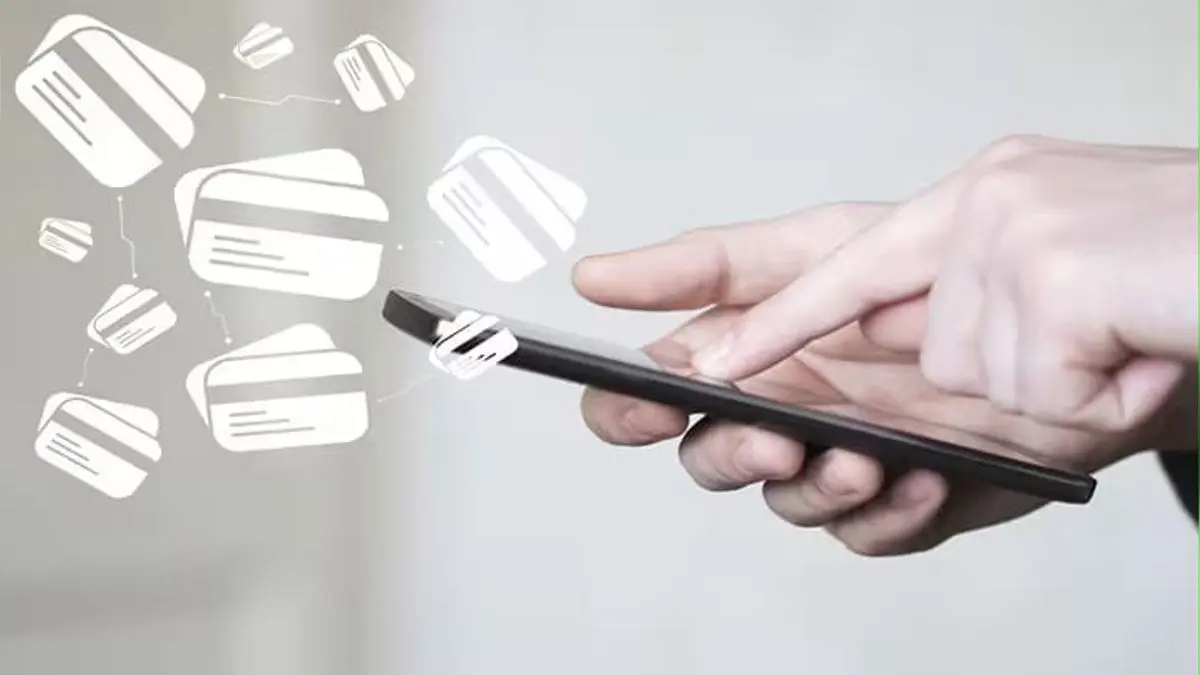
As digital payments gain momentum in India, the use of cash has significantly reduced. The same convenience extends to virtual credit cards. More and more card issuers offer this type of card to enable efficient payments. It facilitates quick payments online and enhances your convenience. Is this the future, and will it completely replace the use of physical credit cards? Let’s find out.
What is a virtual credit card, and how does it work?
A virtual credit card finds its existence digitally. It works just like a regular credit card that stays active online while being on your mobile phone. Holding information like the 16-digit card number, CVV, etc., this card is basically a digital version of the physical card. But these details are generated temporarily for each transaction to enhance security.
You can apply for a credit card online and access it from your bank’s mobile app. You can use it for digital transactions. Many banks offer this type of card with minimal formalities, like IDFC FIRST Bank does with an FD-backed, UPI-ready card like the FIRST EA₹N credit card.
Advertisement
Key differences between virtual and physical credit cards
While both cards serve a similar purpose, their usage experience is different. These are some of the key areas of distinction:
Advertisement
Factors | Virtual credit cards | Physical credit cards |
Mode of usage | Entirely online for e-commerce and app-based transactions. | Both online and offline (in-store) transactions. |
Security | Temporarily card numbers, which mask sensitive information. | Susceptible to theft and protected through EMV chip and PIN. |
Convenience | Instant access with online management through mobile apps. | Involves physical delivery and must be carried out and consciously protected. |
Transaction limits | Allows custom limits for different transactions. | Single credit limit applicable to all transactions. |
Ideal use case | Better suited for online shopping and app-based payments. Plus, it offers tap&pay feature via mobile for quick payments. | Works best for all-round usage in stores and digital transactions, as needed. |
Why virtual cards are gaining popularity
Virtual cards are increasingly being adopted owing to advantages like:
- Safer transactions
As virtual cards hide crucial details by displaying them temporarily, you are protected from data breaches during online transactions.
- Instant & easy access
It is easy to avail virtual credit cards, especially with issuers like IDFC FIRST Bank, that make the card active instantly after approval. Lifetime free credit cards like FIRST WOW! Black come with in-built UPI for digital convenience. For other cards, you can simply activate it online by paying a nominal fee of ₹199+GST.
- Growing subscription culture
Most services we use today, be it entertainment, food & grocery deliveries, software, wellness apps, etc., operate through subscriptions. It is easier to manage them via virtual cards.
- Ease of integration with UPI and digital wallets
Being in the same ecosystem, UPI and digital wallets seamlessly assimilate with virtual cards.
- Confident usage
Despite the wide acceptance of credit cards, many people still hesitate entering card details online. Virtual cards get rid of this psychological barrier.
Virtual cards replacing physical cards: Is it the future?
While virtual cards continue to get widespread acceptance, they are yet to completely replace physical credit cards. Both cards can co-exist due to the following aspects:
- Need for physical cards
Many physical stores, small vendors, public transportation services, fuel stations, etc., still operate on cash and card payments.
- Network and device errors
As virtual cards heavily depend on devices and network connectivity, poor connection or phone malfunctions can cause hindrance.
- Comfort and habitual adoption
As we’ve gotten accustomed to using physical cards for almost all types of transactions, there’s a level of comfort and assurance that may take time to change.
- Limited usage of virtual cards
Virtual cards are still restricted to online payments. Only some digital credit cards come with NFC for POS transactions. This means you still need physical cards for in-store payments. The alternative is to use UPI facility available with RuPay credit cards.
Final words
Virtual cards are reinforcing the Digital India mission. More and more people are adopting them for convenient and secure online transactions. However, physical credit cards continue to hold their place for everyday offline transactions and the versatility they offer. The right choice ultimately depends on where and how you spend.