
How Rock-cut Architecture In India Carved Its Way Through History
Rock-cut architecture served various purposes, including religious worship, monastic retreats, royal residences, and burial sites in India.
- Lifestyle News
- 3 min read

;'%3e%3cpath%20d='m8,15.99c4.41,0,7.99-3.58,7.99-7.99S12.41,0,8,0,0,3.59,0,8s3.58,7.99,7.99,7.99Z'%20style='stroke:%23fff;%20stroke-miterlimit:10;%20stroke-width:.02px;'/%3e%3cpath%20d='m3.08,3.37l3.82,5.11-3.84,4.15h.87l3.37-3.64,2.72,3.64h2.94l-4.04-5.39,3.58-3.87h-.86l-3.1,3.35-2.5-3.35h-2.94Zm1.27.64h1.35l5.97,7.99h-1.35l-5.97-7.99Z'%20style='fill:%23fff;'/%3e%3c/g%3e%3c/svg%3e)


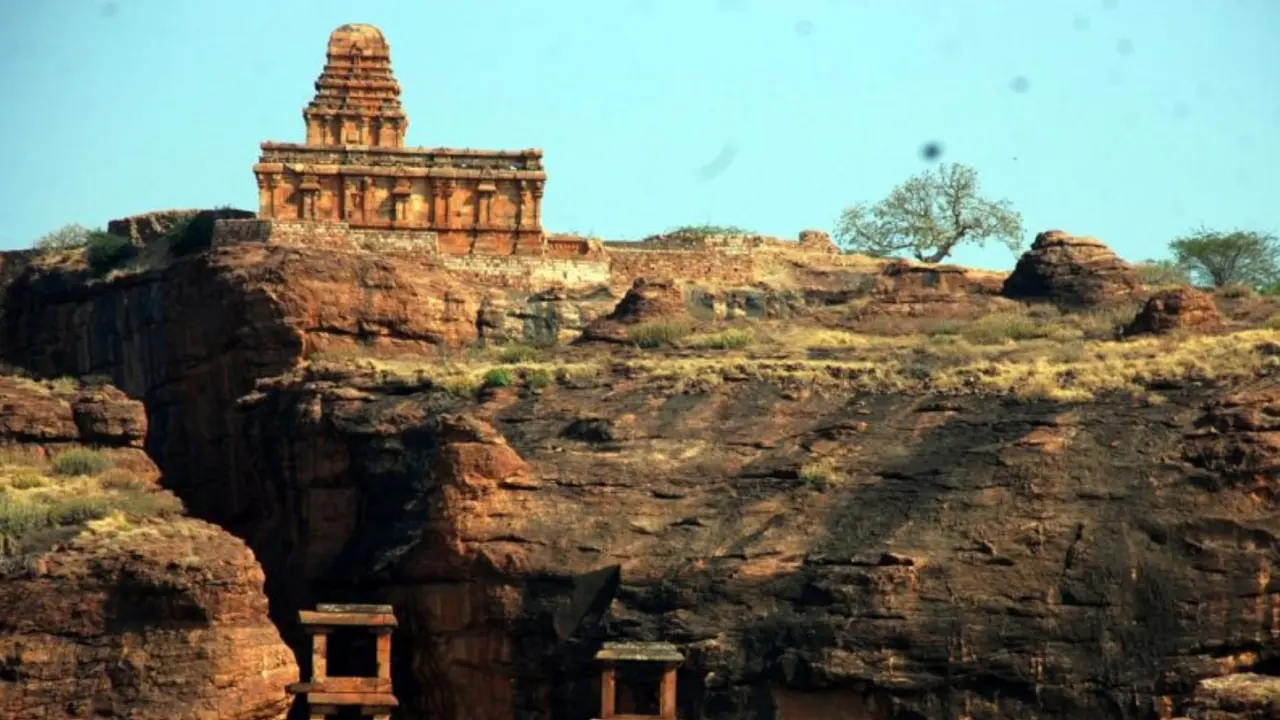
Rock-cut architecture is a remarkable architectural style characterized by structures carved directly into natural rock formations, creating awe-inspiring monuments that stand as enduring testaments to human creativity and craftsmanship. In India, rock-cut architecture has a rich and storied history dating back thousands of years, with numerous examples scattered across the country that showcase the ingenuity and skill of ancient builders. Let's delve into the history of rock-cut architecture in India and explore some notable examples:
History of Rock-cut architecture in India
The tradition of rock-cut architecture in India can be traced back to ancient times, with evidence of rock-cut caves and structures dating as far back as the 3rd century BCE. The practice flourished during various periods of Indian history, including the Maurya, Gupta, and Chalukya dynasties, as well as during the reign of Buddhist, Jain, and Hindu rulers. The oldest example of rock-cut architecture in India can be found in the Barabar caves, Bihar.
Rock-cut architecture served various purposes, including religious worship, monastic retreats, royal residences, and burial sites. It allowed builders to create elaborate structures directly from natural rock formations, often in remote or inaccessible locations, using simple tools and techniques such as chiseling, carving, and sculpting.
Notable examples of Rock-cut architecture in India

Ajanta and Ellora Caves (Maharashtra)
The Ajanta and Ellora Caves are UNESCO World Heritage Sites renowned for their exquisite rock-cut caves, temples, and monasteries. Dating back to the 2nd century BCE to the 6th century CE, these caves feature intricate sculptures, paintings, and architectural details that showcase the rich cultural and artistic heritage of ancient India.
Advertisement
Elephanta Caves (Maharashtra)
Located on Elephanta Island in Mumbai Harbor, the Elephanta Caves are a collection of rock-cut temples dedicated to Lord Shiva. Dating back to the 5th to 8th centuries CE, these caves are renowned for their impressive sculptures, including the iconic Trimurti, a colossal three-headed statue of Lord Shiva.
Badami Cave Temples (Karnataka)
Situated in the town of Badami, the Badami Cave Temples are a series of rock-cut temples carved out of sandstone cliffs. Dating back to the 6th to 8th centuries CE, these temples showcase a unique blend of Dravidian and Nagara architectural styles and feature intricate carvings of Hindu deities and mythological figures.
Advertisement
Mahabalipuram (Tamil Nadu)
Mahabalipuram, also known as Mamallapuram, is home to a group of rock-cut temples and monolithic sculptures dating back to the 7th and 8th centuries CE. These temples, including the famous Shore Temple and Five Rathas, are UNESCO World Heritage Sites and showcase exquisite carvings and architectural details.