
The cultural, spiritual and artistic aspects of the meditative Mandala art
Mandala art is a rich and diverse form of expression that transcends cultural and religious boundaries. It is peaceful and a meditative practice.
- Lifestyle News
- 2 min read

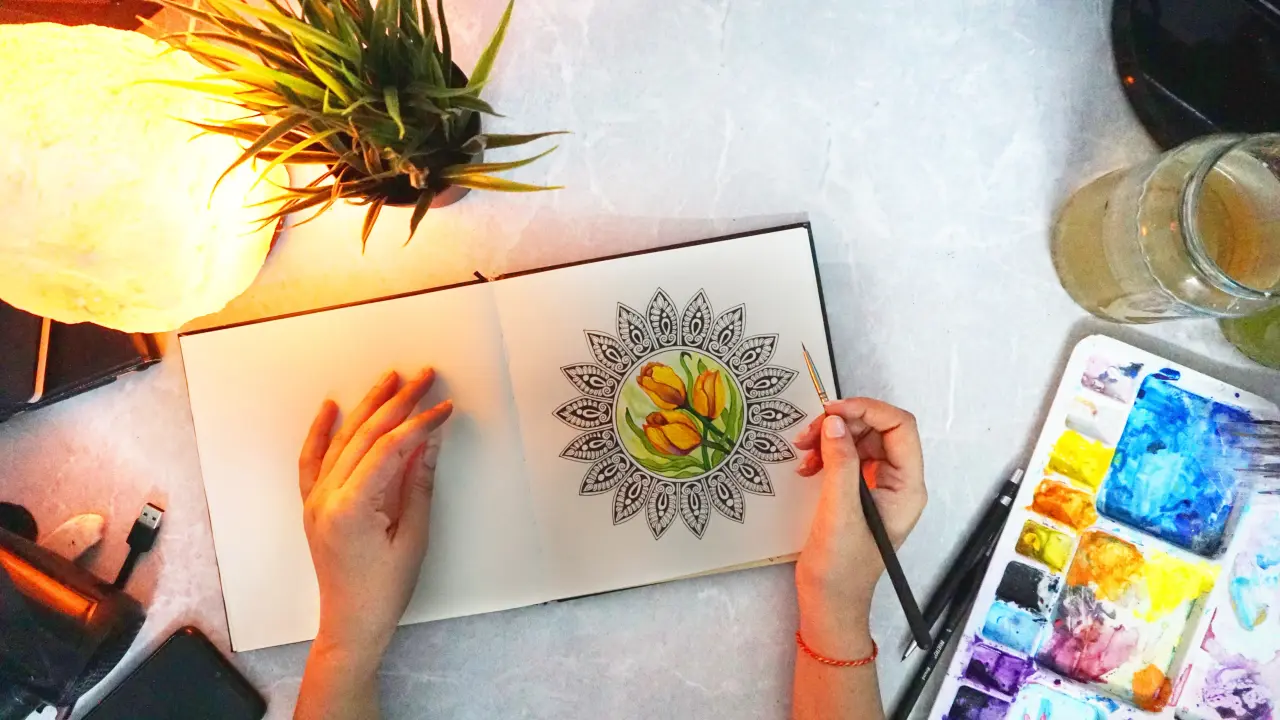
Mandala art is a form of intricate and geometrically patterned design that holds significant cultural, spiritual, and artistic meaning across various traditions. The word mandala originates from the ancient Indian language of Sanskrit, where it simply means circle. However, mandalas are far more than mere circular patterns; they are symbolic representations of the universe, wholeness, and harmony.

Design characteristics
Mandalas are characterised by a central point surrounded by symmetrical patterns radiating outward. They often feature intricate geometric shapes, repetitive patterns, and vibrant colours. The circular shape of a mandala symbolises unity, eternity, and the cyclical nature of life.
Cultural significance
Originating in ancient Hindu and Buddhist traditions, mandalas have been used as spiritual and ritual symbols for centuries. In Hinduism, they represent the universe and are used in meditation practices. In Buddhism, mandalas are employed as aids in the path to enlightenment, often created with coloured sand during intricate ceremonies and then ritually dismantled.
Colour symbolism
Colours play a crucial role in mandala art, with each colour holding symbolic significance. For example, blue may represent calmness and tranquillity, while red may symbolise energy and passion. The selection and arrangement of colours contribute to the emotional impact and meaning of the mandala.
Advertisement
Spiritual and therapeutic uses
Beyond their religious significance, mandalas have gained popularity in various spiritual and therapeutic practices. In Carl Jung's analytical psychology, mandalas are seen as expressions of the self and can be used as tools for self-discovery and healing. Creating or colouring mandalas is considered a meditative practice, promoting relaxation and mindfulness.
Artistic expression
In the contemporary art world, mandalas have transcended their religious and spiritual roots to become a form of artistic expression. Artists create intricate mandala designs using various mediums, including pen and ink, digital illustration, painting, and even sand art.
Advertisement
The process of creating these detailed patterns allows for a meditative and reflective experience, both for the artist and the viewer. It gained traction during Covid, when people started to embrace art to keep their sanity during world-wide lockdown.